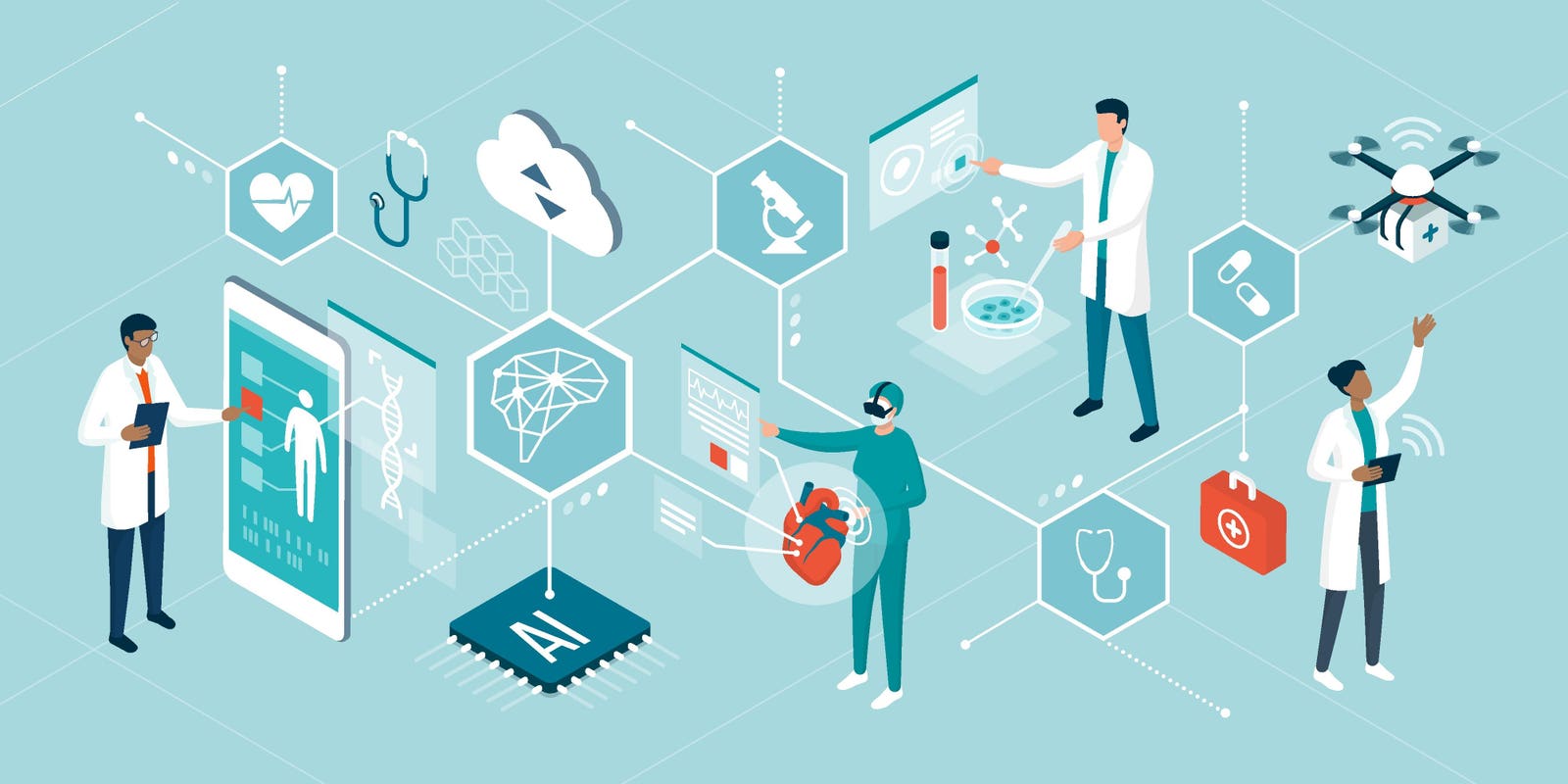
In an era defined by rapid technological advancements, leaders at some of the world’s most prestigious hospitals find themselves navigating a transformative period in healthcare. Just a few years after the COVID-19 pandemic tested the limits of global healthcare systems, these executives are now at the forefront of integrating artificial intelligence (AI) into medical practices, promising to revolutionize patient care.
The potential of AI to revolutionize healthcare is vast, ranging from enhancing cancer diagnoses to streamlining clerical work. However, this technological leap also presents new challenges, including ethical dilemmas and the risk of over-reliance on AI systems. In a recent article by Newsweek, leading hospital CEOs shared their insights on the integration of AI into healthcare and the challenges they face.
Embracing Artificial Intelligence
“Healthcare needs to embrace artificial intelligence,” stated Dr. Gianrico Farrugia, President and CEO of Mayo Clinic, who also serves on a National Academy of Medicine panel working on a code of conduct for AI use in healthcare. While the guidelines are still in development, Farrugia emphasizes the urgency of adopting AI tools to address the imperfections in healthcare systems.
The pandemic highlighted many systemic weaknesses, such as staff shortages and inefficiencies, which AI can potentially alleviate. Paulo Nigro, CEO of Hospital Sírio-Libanês in Sao Paulo, Brazil, remarked, “The hospital of the future is a hospital driven by data,” underscoring the accelerated adoption of data-driven decision-making during the COVID crisis.
AI in Diagnostics and Remote Care
AI’s ability to augment medical diagnostics is particularly exciting for these leaders. It is already enhancing the evaluation of CT scans and X-rays, identifying early signs of diseases like cancer and heart failure. Dr. Tom Mihaljevic, CEO of Cleveland Clinic, highlighted AI’s role in improving sepsis treatment, a critical condition where early detection is vital. The hospital has seen a 40% improvement in sepsis outcomes using AI algorithms.
AI is also pivotal in expanding telemedicine, a practice that surged during the pandemic. Johnese Spisso, CEO of UCLA Hospital System, noted the transition from a few thousand telemedicine visits pre-pandemic to tens of thousands during the crisis. This shift is proving beneficial beyond the pandemic, with AI enhancing remote care by assisting in routine patient inquiries and symptom analysis.
Ethical Challenges and Regulation
Despite AI’s potential, ethical concerns persist. Dr. Yasuhiro Kodera of Nagoya University Hospital in Japan expressed skepticism about AI’s reliability, citing issues like AI “hallucinations” in language models. Spisso also raised concerns about patient privacy with AI tools that listen to physician-patient conversations.
Addressing these ethical challenges requires robust regulation. Kenneth Goodman from the University of Miami stressed the importance of maintaining human oversight in AI-driven decisions. The Coalition for Health AI (CHAI) is one initiative working to establish AI standards and build trust among patients and healthcare providers.
The Future of AI in Healthcare
As AI continues to evolve, hospital leaders are committed to integrating it thoughtfully and ethically into healthcare. Farrugia advocates for regulation not just to prevent misuse but to encourage innovation, urging healthcare systems to embrace AI to improve patient outcomes.
AI presents both opportunities and challenges, but the consensus among these leaders is clear: the future of healthcare is inextricably linked with AI, and it is imperative to navigate this path with care and foresight.
More Articles
Getting licensed or staying ahead in your career can be a journey—but it doesn’t have to be overwhelming. Grab your favorite coffee or tea, take a moment to relax, and browse through our articles. Whether you’re just starting out or renewing your expertise, we’ve got tips, insights, and advice to keep you moving forward. Here’s to your success—one sip and one step at a time!
The financial landscape in South Korea is poised for a seismic shift as KBank, a major digital bank, grapples with a legislative curveball. The bank, which is heavily reliant on deposits from Upbit, Korea’s dominant cryptocurrency exchange, is facing a potential profit squeeze. The new Virtual Asset User Protection Act, set to take effect on July 19, 2024, mandates that banks must pay interest on crypto exchange deposits, a move that could severely impact KBank's bottom line.
AI's ability to analyze vast amounts of data is paving the way for a profound change in medical diagnostics. Khosla predicted that AI could take over up to 80% of standard medical tasks, reducing errors and biases in human diagnosis. This is particularly evident in fields like radiology and pathology, where AI's proficiency in analyzing medical imaging allows for the early detection of diseases such as cancer, significantly improving treatment outcomes.
The COVID-19 pandemic has dramatically reshaped the housing market landscape, resulting in an unprecedented surge in home prices throughout the United States.
In a world where technology is rapidly evolving, artificial intelligence (AI) is proving to be a game-changer in the healthcare sector. AI-powered tools are improving patient outcomes, enhancing operational efficiency, and reducing costs, reshaping the very fabric of healthcare delivery.
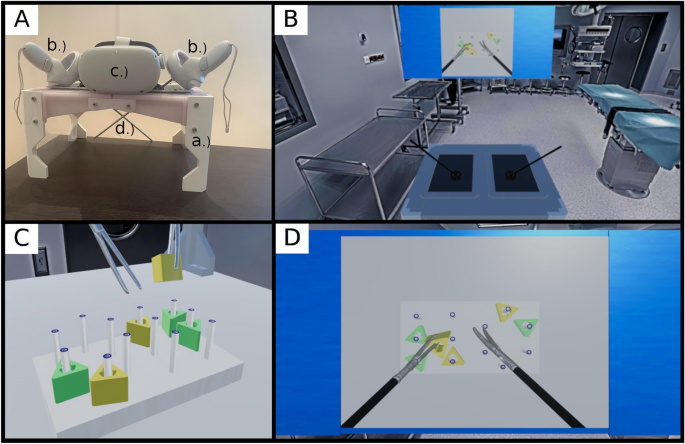
In a groundbreaking study published by Nature, researchers have unveiled a novel approach to surgical training using a low-fidelity virtual reality (VR) simulator enhanced with artificial intelligence (AI) for objective assessment. This pioneering method is poised to transform how medical students acquire laparoscopic skills, offering a cost-effective and efficient alternative to traditional training models.
AI in healthcare is projected to grow into a $188 billion industry worldwide by 2030, promising to revolutionize the field. From drug development to improved diagnostics, AI is already making significant strides, transforming medical practices and enhancing patient care efficiency.