In an era defined by rapid technological advancements, leaders at some of the world’s most prestigious hospitals find themselves navigating a transformative period in healthcare. Just a few years after the COVID-19 pandemic tested the limits of global healthcare systems, these executives are now at the forefront of integrating artificial intelligence (AI) into medical practices, promising to revolutionize patient care.
The potential of AI to revolutionize healthcare is vast, ranging from enhancing cancer diagnoses to streamlining clerical work. However, this technological leap also presents new challenges, including ethical dilemmas and the risk of over-reliance on AI systems. In a recent article by Newsweek, leading hospital CEOs shared their insights on the integration of AI into healthcare and the challenges they face.
Embracing Artificial Intelligence
“Healthcare needs to embrace artificial intelligence,” stated Dr. Gianrico Farrugia, President and CEO of Mayo Clinic, who also serves on a National Academy of Medicine panel working on a code of conduct for AI use in healthcare. While the guidelines are still in development, Farrugia emphasizes the urgency of adopting AI tools to address the imperfections in healthcare systems.
The pandemic highlighted many systemic weaknesses, such as staff shortages and inefficiencies, which AI can potentially alleviate. Paulo Nigro, CEO of Hospital Sírio-Libanês in Sao Paulo, Brazil, remarked, “The hospital of the future is a hospital driven by data,” underscoring the accelerated adoption of data-driven decision-making during the COVID crisis.
AI in Diagnostics and Remote Care
AI’s ability to augment medical diagnostics is particularly exciting for these leaders. It is already enhancing the evaluation of CT scans and X-rays, identifying early signs of diseases like cancer and heart failure. Dr. Tom Mihaljevic, CEO of Cleveland Clinic, highlighted AI’s role in improving sepsis treatment, a critical condition where early detection is vital. The hospital has seen a 40% improvement in sepsis outcomes using AI algorithms.
AI is also pivotal in expanding telemedicine, a practice that surged during the pandemic. Johnese Spisso, CEO of UCLA Hospital System, noted the transition from a few thousand telemedicine visits pre-pandemic to tens of thousands during the crisis. This shift is proving beneficial beyond the pandemic, with AI enhancing remote care by assisting in routine patient inquiries and symptom analysis.
Ethical Challenges and Regulation
Despite AI’s potential, ethical concerns persist. Dr. Yasuhiro Kodera of Nagoya University Hospital in Japan expressed skepticism about AI’s reliability, citing issues like AI “hallucinations” in language models. Spisso also raised concerns about patient privacy with AI tools that listen to physician-patient conversations.
Addressing these ethical challenges requires robust regulation. Kenneth Goodman from the University of Miami stressed the importance of maintaining human oversight in AI-driven decisions. The Coalition for Health AI (CHAI) is one initiative working to establish AI standards and build trust among patients and healthcare providers.
The Future of AI in Healthcare
As AI continues to evolve, hospital leaders are committed to integrating it thoughtfully and ethically into healthcare. Farrugia advocates for regulation not just to prevent misuse but to encourage innovation, urging healthcare systems to embrace AI to improve patient outcomes.
AI presents both opportunities and challenges, but the consensus among these leaders is clear: the future of healthcare is inextricably linked with AI, and it is imperative to navigate this path with care and foresight.
More Articles
Getting licensed or staying ahead in your career can be a journey—but it doesn’t have to be overwhelming. Grab your favorite coffee or tea, take a moment to relax, and browse through our articles. Whether you’re just starting out or renewing your expertise, we’ve got tips, insights, and advice to keep you moving forward. Here’s to your success—one sip and one step at a time!
The Phoenix housing market continues to outperform the rest of the country, posting stronger sales, rising equity, and an influx of qualified buyers. With closed sales, pending sales, new listings, and median prices all trending upward, the Valley is outpacing national growth by a wide margin. City‑level data shows impressive strength across Scottsdale, Goodyear, Gilbert, Phoenix, and more—making 2025 a powerful year for agents, investors, and professionals watching the Arizona market.
With the 2026 FIFA World Cup and America’s 250th birthday celebrations on the horizon, the U.S. job market is gearing up for a surge across multiple industries. Seasonal, flexible, and part‑time roles are expected to rise—especially for workers 50+ who have struggled in a cooling labor market. From accounting and HR leadership to event staffing and delivery driving, major cities are preparing for increased hiring tied to tourism, infrastructure, and yearlong national celebrations. Many of these fast‑growing roles connect directly to licensing and certification pathways, giving professionals new chances to pivot or upskill through programs offered by Cameron Academy.
Florida is rolling out a new wave of laws on January 1, 2026 that will impact professionals in real estate, insurance, healthcare, education, and other regulated industries. From new insurance rules and healthcare billing requirements to condo association deadlines and statewide databases, these updates reshape compliance expectations across the state. Whether you work in property, finance, or public‑facing services, understanding these changes is essential for staying aligned with Florida’s evolving regulations.
Nearly every commercial real estate professional is expecting a stronger year ahead, with 97% predicting increased or stable activity in 2026, according to Avison Young’s latest outlook. Confidence has surged dramatically since mid‑2025 as strong sales, anticipated rate cuts, and improving fundamentals across key sectors signal that CRE recovery and growth may finally be taking hold.
Dallas‑Fort Worth is finishing 2025 as the nation’s top real estate and business powerhouse, fueled by corporate relocations, a dominant industrial sector, infrastructure megaprojects, and a rapidly evolving workforce landscape. From data center expansion to the launch of the DART Silver Line, the region continues to outpace national trends—while also confronting a growing demand for skilled professionals and licensed talent across construction, real estate, and technical fields.
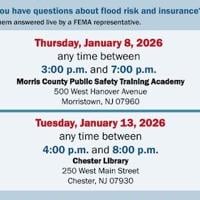
FEMA and the NJDEP have released revised preliminary flood maps for Morris County, reshaping how homeowners, real estate agents, insurers, and mortgage professionals assess flood risk. The updated FIRMs may shift properties into or out of higher‑risk zones, affecting insurance requirements, closing processes, and long‑term property values. With public review and appeals ahead, industry professionals are urged to study the changes now and prepare clients for potential impacts.