In an era defined by rapid technological advancements, leaders at some of the world’s most prestigious hospitals find themselves navigating a transformative period in healthcare. Just a few years after the COVID-19 pandemic tested the limits of global healthcare systems, these executives are now at the forefront of integrating artificial intelligence (AI) into medical practices, promising to revolutionize patient care.
The potential of AI to revolutionize healthcare is vast, ranging from enhancing cancer diagnoses to streamlining clerical work. However, this technological leap also presents new challenges, including ethical dilemmas and the risk of over-reliance on AI systems. In a recent article by Newsweek, leading hospital CEOs shared their insights on the integration of AI into healthcare and the challenges they face.
Embracing Artificial Intelligence
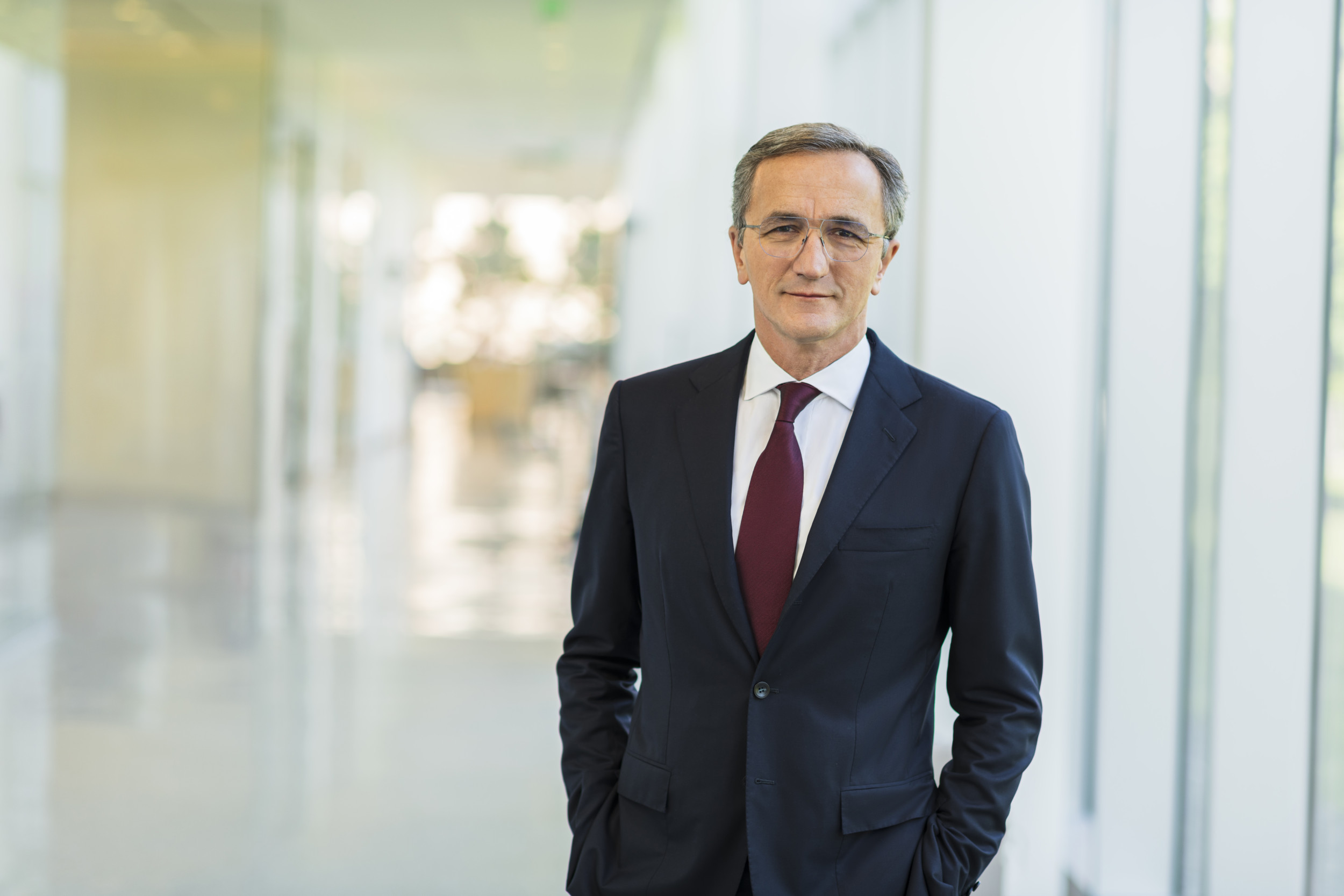
“Healthcare needs to embrace artificial intelligence,” stated Dr. Gianrico Farrugia, President and CEO of Mayo Clinic, who also serves on a National Academy of Medicine panel working on a code of conduct for AI use in healthcare. While the guidelines are still in development, Farrugia emphasizes the urgency of adopting AI tools to address the imperfections in healthcare systems.
The pandemic highlighted many systemic weaknesses, such as staff shortages and inefficiencies, which AI can potentially alleviate. Paulo Nigro, CEO of Hospital Sírio-Libanês in Sao Paulo, Brazil, remarked, “The hospital of the future is a hospital driven by data,” underscoring the accelerated adoption of data-driven decision-making during the COVID crisis.
AI in Diagnostics and Remote Care
AI’s ability to augment medical diagnostics is particularly exciting for these leaders. It is already enhancing the evaluation of CT scans and X-rays, identifying early signs of diseases like cancer and heart failure. Dr. Tom Mihaljevic, CEO of Cleveland Clinic, highlighted AI’s role in improving sepsis treatment, a critical condition where early detection is vital. The hospital has seen a 40% improvement in sepsis outcomes using AI algorithms.
AI is also pivotal in expanding telemedicine, a practice that surged during the pandemic. Johnese Spisso, CEO of UCLA Hospital System, noted the transition from a few thousand telemedicine visits pre-pandemic to tens of thousands during the crisis. This shift is proving beneficial beyond the pandemic, with AI enhancing remote care by assisting in routine patient inquiries and symptom analysis.
Ethical Challenges and Regulation
Despite AI’s potential, ethical concerns persist. Dr. Yasuhiro Kodera of Nagoya University Hospital in Japan expressed skepticism about AI’s reliability, citing issues like AI “hallucinations” in language models. Spisso also raised concerns about patient privacy with AI tools that listen to physician-patient conversations.
Addressing these ethical challenges requires robust regulation. Kenneth Goodman from the University of Miami stressed the importance of maintaining human oversight in AI-driven decisions. The Coalition for Health AI (CHAI) is one initiative working to establish AI standards and build trust among patients and healthcare providers.
The Future of AI in Healthcare
As AI continues to evolve, hospital leaders are committed to integrating it thoughtfully and ethically into healthcare. Farrugia advocates for regulation not just to prevent misuse but to encourage innovation, urging healthcare systems to embrace AI to improve patient outcomes.
AI presents both opportunities and challenges, but the consensus among these leaders is clear: the future of healthcare is inextricably linked with AI, and it is imperative to navigate this path with care and foresight.
More Articles
Getting licensed or staying ahead in your career can be a journey—but it doesn’t have to be overwhelming. Grab your favorite coffee or tea, take a moment to relax, and browse through our articles. Whether you’re just starting out or renewing your expertise, we’ve got tips, insights, and advice to keep you moving forward. Here’s to your success—one sip and one step at a time!
Fintech has evolved from simple digital banking tools into a global force transforming how we pay, borrow, invest, and manage financial data. With AI, blockchain, and open banking leading the way, fintech is opening new opportunities for consumers, businesses, and professionals across real estate, mortgage, insurance, and finance.
After months of hesitation, the commercial real estate market showed a major resurgence in Q3 2025. Large single‑asset transactions over $10 million jumped to $76 billion — the strongest level since 2022 — signaling renewed liquidity and growing confidence among institutional buyers. While overall volumes remain below peak highs, rising deal counts, stabilizing prices, and increased activity across industrial, multifamily, office, and retail sectors point toward a market steadily moving back toward normalization.
California’s property insurance market didn’t collapse overnight—it unraveled over years of political delays, soaring wildfire losses, and mounting pressure on insurers and reinsurers. As major carriers pulled out and rate approvals stalled, millions of homeowners were left scrambling for coverage under an overwhelmed FAIR Plan. At the center of the controversy stands Insurance Commissioner Ricardo Lara, whose decisions, industry ties, and behind‑the‑scenes negotiations have drawn sharp criticism. The result is a destabilized market affecting homeowners, real estate professionals, lenders, and entire communities—and the question of whether current reforms can truly fix what’s broken.
After a slow start to the year, commercial real estate showed a major resurgence in Q3 2025 as large single‑asset deals over $10 million surged past $76 billion in volume. With 1,826 major trades and the strongest growth rate in more than a decade, investor confidence appears to be returning across U.S. markets. While overall volumes still trail the record highs of 2021–2022, the renewed momentum in big‑ticket transactions points to improving liquidity, clearer pricing, and a potentially pivotal turning point for brokers, investors, and industry professionals.
California’s property insurance market has unraveled into one of the most expensive and consequential crises in U.S. history. Major carriers pulled back, wildfire risks soared, regulators stalled, and the state’s FAIR Plan exploded in size — leaving hundreds of thousands of homeowners without affordable coverage. Now, with victims underinsured, premiums surging, and a billion‑dollar bailout looming, the fallout is spilling beyond California. For real estate, mortgage, finance, and insurance professionals across the country, this is a warning of what happens when rising climate risks collide with outdated regulatory systems.
Sarasota County is on the brink of one of its largest modern expansions as the Winchester Ranch project moves closer to approval. Spanning more than 3,100 acres near North Port, the planned mega-development could bring up to 8,999 homes plus major commercial and industrial space. With construction projected to begin in 2027–2028, the community has sparked both excitement over new housing opportunities and concerns about environmental impact, placing it at the center of Florida’s ongoing growth debate.