“`html

Heart Attack Diagnostics Market Surges with Technological Innovations

The heart attack diagnostics market is poised for remarkable growth, driven by groundbreaking advancements in artificial intelligence, biomarkers, and cutting-edge imaging technologies. According to a recent report, this burgeoning sector is projected to expand from USD 11.68 billion in 2024 to USD 27.95 billion by 2035, reflecting a compound annual growth rate (CAGR) of 8.26% during the forecast period.

The surge in the market is attributed to several factors, including rising rates of cardiovascular diseases (CVDs), increased healthcare awareness, and substantial government funding and initiatives. Moreover, the proliferation of diagnostic centers and laboratories further fuels this growth.

Global heart attack diagnostics market

Innovations in diagnostic technologies are at the forefront of this expansion. The introduction of high-sensitivity troponin tests has notably enhanced early detection capabilities. An exemplary advancement is GE Healthcare’s Caption AI, integrated into the Vscan Air SL, which was launched in April 2024. This technology broadens access to cardiac care by enabling a wider range of clinicians to capture diagnostic-quality cardiac images.


Market Segmentation

  • By Type: Non-invasive tests dominated the market in 2024 due to their safety, accessibility, and patient-friendly nature. Technologies like CT and MRI scans continue to advance, offering safer diagnostic options.
  • By Test: The ECG segment led the market, benefiting from its cost-effectiveness and reliability in diagnosing acute myocardial infarction.
  • By End-User: Hospitals and clinics accounted for the highest revenue, thanks to their advanced diagnostic infrastructure and skilled healthcare professionals.

Regionally, North America is expected to maintain the highest revenue share, driven by advanced healthcare infrastructure and significant healthcare expenditure. Meanwhile, the Asia Pacific region is predicted to grow at the fastest CAGR due to improving healthcare infrastructure and increasing awareness of heart health.


For more details on the market dynamics, visit the full report.

“`

More Articles

Getting licensed or staying ahead in your career can be a journey—but it doesn’t have to be overwhelming. Grab your favorite coffee or tea, take a moment to relax, and browse through our articles. Whether you’re just starting out or renewing your expertise, we’ve got tips, insights, and advice to keep you moving forward. Here’s to your success—one sip and one step at a time!

Artificial Intelligence in Diagnostics: A Revolution in Healthcare

The global market for artificial intelligence in diagnostics is poised for remarkable growth, with projections estimating it to reach USD 7.3 billion by 2032.

By |December 10, 2024|Categories: Article, Artificial Intelligence, Healthcare|Tags: , |0 Comments

Revolutionizing Medical Education with Extended Reality

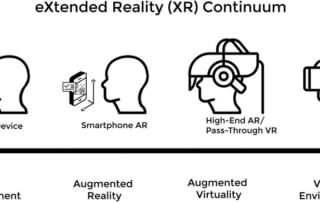
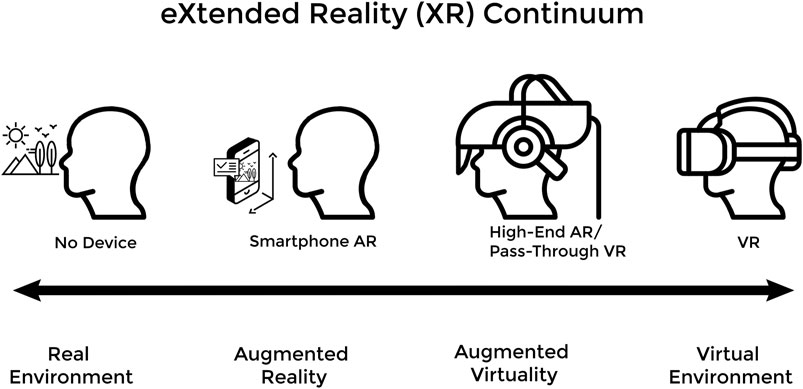
In the ever-evolving landscape of medical education, a new player has emerged, promising to revolutionize the way future doctors are trained. The integration of eXtended Reality (XR) technologies is reshaping the educational landscape by addressing the limitations of traditional methods.

Genetic Testing: A New Dawn in Healthcare

Genetic testing represents more than just a scientific advancement; it signifies a fundamental shift in how we approach health and wellness.

Sustainable Architecture: Blending Innovation with Ecological Responsibility

The journey toward sustainable architecture is ongoing, with each project serving as a beacon of what's achievable when creativity meets ecological awareness.

By |December 9, 2024|Categories: Architecture, Article, Sustainability|Tags: |0 Comments

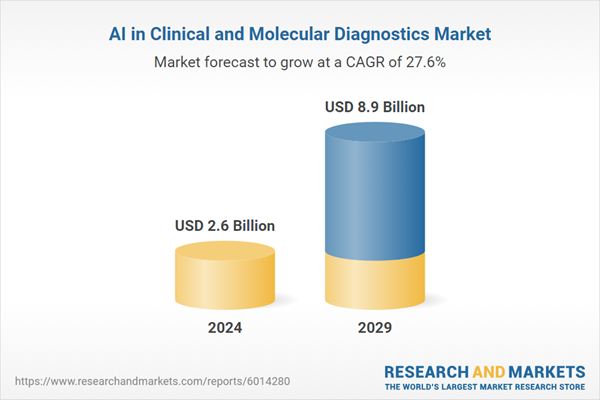
AI in Clinical and Molecular Diagnostics: A Market on the Rise

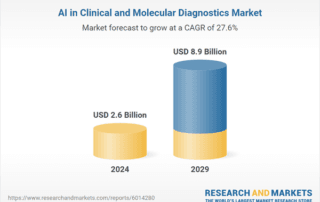
AI in Clinical and Molecular Diagnostics Market is set to experience remarkable growth, projected to surge from USD 2.6 billion in 2024 to USD 8.9 billion by 2029. This growth is driven by the integration of advanced AI technologies such as machine learning and deep learning into traditional diagnostic methodologies like imaging, genomics, and laboratory testing.

AI: A Revolution in Healthcare’s Future

AI is not a distant dream but a present reality, already integrated into everyday life through virtual assistants like Alexa and Siri. AI shows promise in enhancing medical accuracy, such as in predicting mesothelioma survival and improving colonoscopy accuracy, it is not intended to replace healthcare professionals.