Effective Real Estate License Exam Prep Tips

Helpful study tips for real estate license exams in florida 2026

Every successful real estate agent began their career by obtaining a real estate license. The process involves an intense exam covering all aspects of the industry. These real estate license exam prep tips will help you pass that exam on the first attempt.

Start Early

Last-minute cramming for the real estate exam won't help. Instead, start early and craft a study plan outlining specific topics to cover each day. This ensures all areas of the exam syllabus will be covered.

Focus on Key Concepts

The real estate license course highlights several key legal principles and regulations. These concepts are essential for success. Review all the key terms, property types, contract law, agency relationships, and other fundamental aspects of real estate practice.

Practice with Sample Exams

Reduce exam day pressure by taking practice tests and sample exams. This helps you become familiar with the exam structure, time constraints, and question formats. Plus, it will highlight areas where further review might be needed.

Practice Self-Care

Self-care is an important part of any real estate license exam prep. Get enough sleep, stay active, maintain a healthy diet, and take breaks from intense studying to manage stress levels. All these self-care measures will enhance your cognitive abilities and improve overall productivity.

At Cameron Academy, we provide a comprehensive approach to obtaining real estate licenses in all fifty states. Visit Cameron Academy for more information about our real estate license courses. Remember, consistent effort, dedication, and a well-structured study plan are key to mastering the material and passing the exam with confidence.

Cameron Academy | Education and Preparation for Real Estate License | https://cameronacademy.com

Cameron academy real estate bookstore

Cast Your Vote

Your Feedback Matters, please tell us how helpful This Page was for you today.

TRUSTED SOURCE: floridarealtors.org

If you're poised to dive into the world of real estate transactions in the Sunshine State, we've curated a step-by-step guide to expedite your journey towards licensure. This way, you can promptly set the wheels of your business in motion.

Being a successful real estate agent necessitates a fervor for both human connections and property landscapes. But beyond this passion, a crucial ingredient is a legally recognized license.

Before you embark on this process, there are basic prerequisites to fulfill. You must be at least 18 years old, hold either a high school diploma or its equivalent, and possess a U.S. Social Security number. Once you've checked off these requirements, you're ready to navigate the following five steps.

Ready to conquer Florida's real estate market? Look no further than Cameron Academy's Florida Real Estate courses. With top-tier, up-to-date curriculum tailored for your success, we're here to launch your career to new heights. Enroll now and take advantage of our coupons. Don't wait, start your journey today!

More Articles

Getting licensed or staying ahead in your career can be a journey—but it doesn’t have to be overwhelming. Grab your favorite coffee or tea, take a moment to relax, and browse through our articles. Whether you’re just starting out or renewing your expertise, we’ve got tips, insights, and advice to keep you moving forward. Here’s to your success—one sip and one step at a time!

Judge Blocks Class Status in Major Commission Lawsuit, Shaking Up the Real Estate Industry

A federal judge has denied class‑certification in the high‑stakes Batton commission lawsuit, delivering a temporary win for NAR and major brokerages while leaving the door open for plaintiffs to try again. With as much as $3.6 billion in potential damages on the line and nearly 80% of the proposed class now disqualified due to conflicts with earlier settlements, the case stands at a pivotal moment. Real estate professionals nationwide — especially in Florida — should watch closely, as the ruling could shape the future of buyer‑agent compensation.

Florida Homeowners Hit Hard by Skyrocketing Insurance Rates as Lawmakers Race Toward Reform

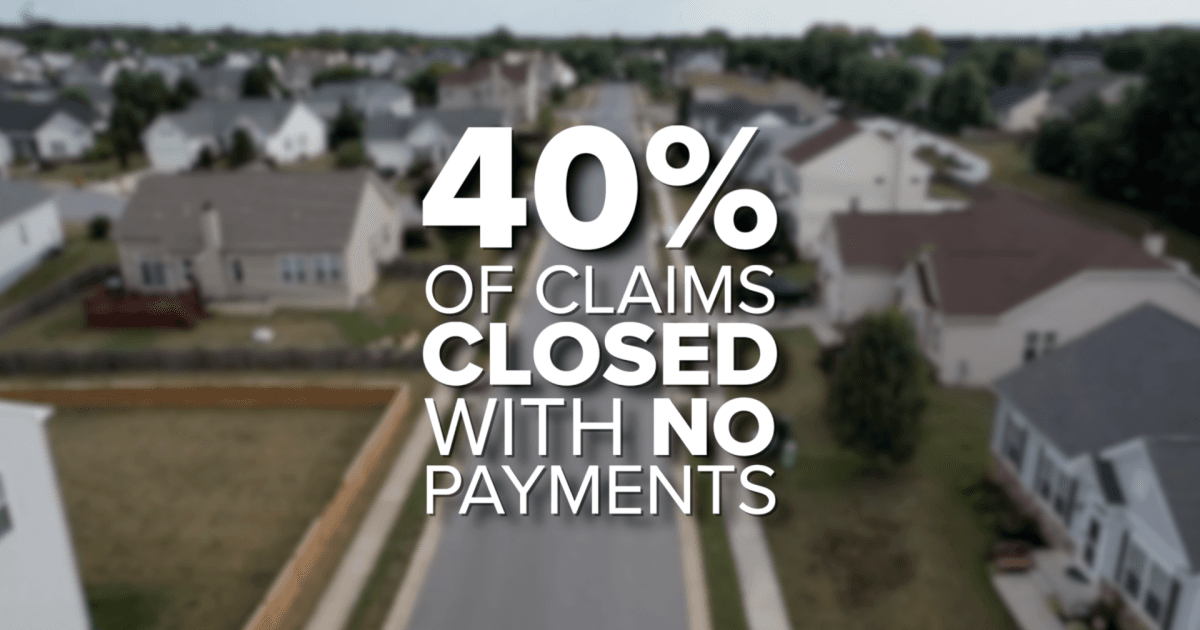
Florida homeowners are paying nearly double the national average for insurance, with premiums now reaching $5,838 a year and denied claims topping 40 percent. Residents report tripled rates, underpaid claims, and mounting financial strain, pushing lawmakers in Tallahassee to propose caps on rate hikes, tax breaks for storm‑proof upgrades, and tighter oversight of insurers. These developments are reshaping real estate and insurance conversations across the state as professionals brace for major industry shifts.

Inside Berkshire County’s Surging 2025 Real Estate Market: Q3 Deep Dive

Berkshire County closed Q3 2025 with strong momentum as sales, dollar volume, and buyer competition all climbed year‑over‑year. Inventory showed slight improvement but remains far below demand, keeping the market tilted toward sellers. Single‑family homes and condos led the surge, while multifamily, land, and commercial sectors showed mixed performance. The region continues to stand out as one of New England’s most resilient real estate markets heading into 2026.

Florida Homeowners Are Reaching a Breaking Point as Insurance Costs Skyrocket

Florida homeowners now face the highest insurance burdens in the nation, with average premiums topping $5,800 per year—roughly $3,000 above the national average. As rates triple for some residents, more Floridians are skipping coverage altogether, while denied claims and slow payouts add to the frustration. With over 40 percent of claims closing with no payment and lawmakers battling over reform in Tallahassee, the crisis is reshaping budgets, homebuying decisions, and the real estate industry statewide.

How Global Investors Are Rewriting the Real Estate Playbook for 2026

Global capital is surging back into real estate—and this time, investors want more control. Colliers’ 2026 Global Investor Outlook reveals a major shift toward direct investments, joint ventures, and hands‑on strategies as money moves across North America, Europe, and the booming Asia‑Pacific markets. Data centers are now the top‑funded asset class, offices are staging a comeback, and adaptive reuse is reshaping cities worldwide. For real estate and finance professionals, the message is clear: opportunity is accelerating, and those with the right education and licensing will be at the center of the action.

Why Lower Interest Rates Still Aren’t Saving Commercial Real Estate

The Fed’s recent rate cuts should have offered relief to commercial real estate—but long-term borrowing costs haven’t budged. While short‑term rates are falling, stubborn long‑term yields, broken deal math, and a trillion‑dollar refinancing wave are keeping the market frozen. For investors and professionals across Florida and the nation, understanding this disconnect is key to navigating the opportunities and risks emerging in today’s shifting CRE landscape.