Hidden Housing Costs Poised to Become One of 2026’s Biggest Challenges
As homeowners step into 2026, many are preparing for one of the least visible—yet most disruptive—financial pressures of the year: rising escrow payments. While mortgage rates and home prices tend to dominate headlines, it’s the behind‑the‑scenes expenses like property taxes and homeowners insurance that may soon strain household budgets the most.
Cotality, a leading real estate analytics firm, revealed in a recent report that states experiencing the steepest increases in taxes and insurance premiums are also seeing notable spikes in mortgage delinquencies. This trend is most pronounced across the South and Midwest, where escrow jumps are outpacing income growth—placing many families in a precarious position.
Why This Matters
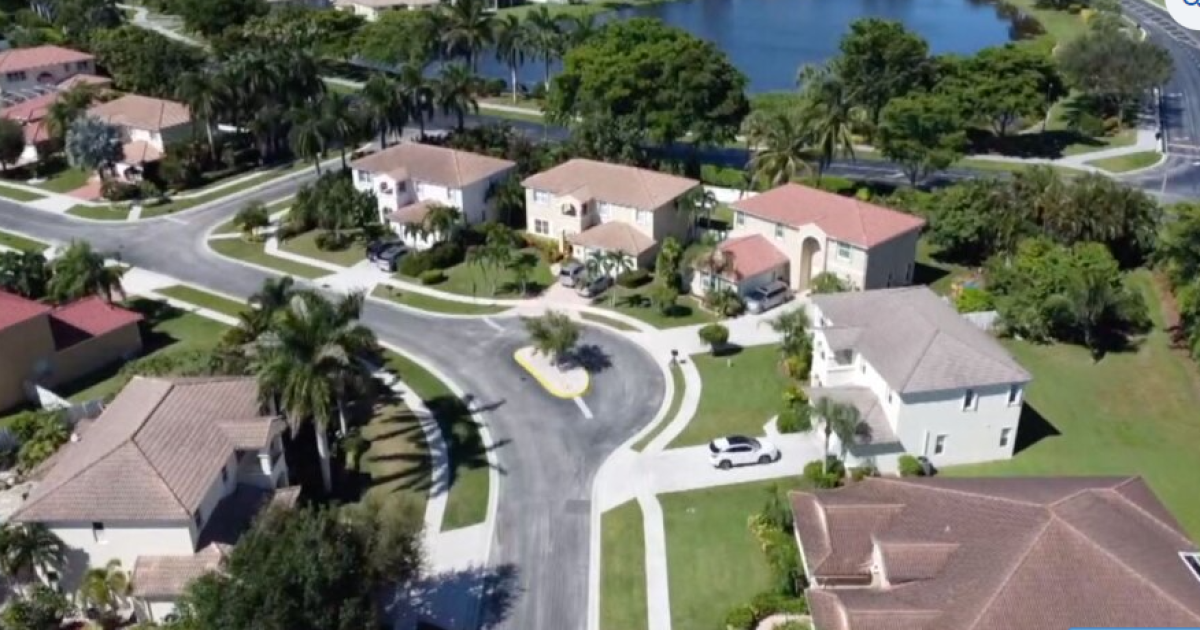
Housing costs have been steadily climbing since the pandemic sparked inventory shortages and pushed prices into uncharted territory. Nonmortgage expenses—property taxes, insurance, utilities—rose nearly 30 percent in 2025 alone. Homeowners in weather‑sensitive states such as Florida continue to experience even sharper escalations.
When these costs surge, lenders adjust escrow requirements accordingly—meaning even homeowners with fixed mortgage rates can still face rising monthly payments.
What You Need to Know
The national delinquency rate edged from 2.9 percent in mid‑2025 to 3 percent by September, according to Cotality. Serious delinquencies also inched upward, a sign that once homeowners fall behind, catching up is becoming increasingly difficult.
Metro‑level data paints an even more tense picture. While fewer cities are seeing broad delinquency increases, the number experiencing rising foreclosure rates jumped dramatically—from 8 percent to 39 percent within a year.
In September, 174 metro areas posted annual rises in serious delinquencies—with standout increases in San Angelo and Odessa, Texas; Lakeland‑Winter Haven and Cape Coral‑Fort Myers, Florida; and Lima, Ohio.
Nationwide, homeowners are now contributing an average of 45 percent more into escrow accounts than they were five years ago. States leading the surge include Colorado (77%), Florida (70%), Wyoming, South Dakota, Montana, Louisiana, Alabama, Georgia, North Carolina, and Indiana.
Industry Voices
Archana Pradhan, Principal Economist at Cotality, warns that escalating escrow payments could deter potential buyers and delay their path to homeownership.
Joel Berner, Senior Economist at Realtor.com, adds that in certain states, escrow increases alone may push aspiring homeowners entirely out of reach of the market.
What’s Ahead for 2026
Housing affordability was already a central concern during the 2024 election cycle. Now, discussions continue about whether the Trump administration may declare a national housing emergency.
Experts predict that even with wages rising faster than home prices, affordability will remain strained throughout 2026—especially for homeowners dealing with rapidly increasing escrow contributions.
For both new and seasoned real estate professionals—especially those in high‑impact states such as Florida—understanding the full cost of homeownership is essential. Educational platforms like Cameron Academy continue providing licensing programs and advanced training designed to help professionals navigate today’s complex and volatile housing landscape.
As hidden housing costs rise, one truth becomes increasingly clear: knowledge is one of the most powerful assets a homeowner—or future real estate professional—can possess.
More Articles
Getting licensed or staying ahead in your career can be a journey—but it doesn’t have to be overwhelming. Grab your favorite coffee or tea, take a moment to relax, and browse through our articles. Whether you’re just starting out or renewing your expertise, we’ve got tips, insights, and advice to keep you moving forward. Here’s to your success—one sip and one step at a time!
After a turbulent 2025 marked by stalled construction, tight capital, and economic uncertainty, commercial real estate is finally entering a period of stabilization and early recovery. Analysts across Colliers, Cushman & Wakefield, CoStar, KBW, and Deloitte agree that 2026 brings a “new equilibrium,” with capital markets waking up, vacancies peaking, and investment activity returning. Office, industrial, retail, multifamily, and data center sectors each tell a different story—some recovering, some booming, some transforming—but all show signs of renewed momentum. For investors and professionals, 2026 offers cautious yet promising opportunities as the industry regains its footing.
Florida kicked off the new year with five impactful laws now in effect, influencing healthcare, insurance, animal welfare, and government employees statewide. From faster medical refund requirements to new pet‑insurance transparency rules and expanded benefits for state workers, these updates are already reshaping daily life and professional practices. Whether you work in real estate, insurance, healthcare, or any state‑licensed field, staying informed on these changes is essential as regulations continue to shift rapidly across Florida.
The commercial real estate market is entering 2026 with renewed momentum and long‑awaited signs of stability. Major research firms report a “new equilibrium” forming across asset classes, supported by lower interest rates, easing lending conditions, and returning investor confidence. Office vacancies are projected to improve, industrial demand remains strong despite reduced construction, and data centers continue to dominate growth. With capital markets reawakening and REITs poised for a potential breakout year, professionals who stay informed and expand their skill sets could find 2026 filled with fresh opportunity.
Mortgage rates have fallen to their lowest point since 2024, giving homebuyers a much‑needed break as 2026 begins. The average 30‑year fixed rate now sits near 6.12% to 6.15%, driven by multiple Fed rate cuts and cooling economic signals. While lower rates are boosting buyer optimism, tight inventory and the lingering lock‑in effect continue to challenge the market. This shift may open a key opportunity window for buyers— and for real estate and mortgage professionals looking to stay ahead of rapid industry changes.
Florida is gearing up for what could be its biggest property tax transformation in decades. With state leaders, including Gov. Ron DeSantis, exploring ways to reduce or even eliminate property taxes as early as 2026, homeowners and real estate professionals are bracing for major changes. While supporters argue that Florida can cut back the nearly $60 billion in annual property tax revenue without harming essential services, local officials warn the move could jeopardize police, fire, EMS, and community programs. As the debate intensifies heading into the 2026 legislative session, the future of Florida’s housing affordability and municipal funding hangs in the balance.
Florida is starting 2026 with a slate of major new laws impacting health care, insurance, real estate, consumer protection, and public safety. From free breast‑cancer diagnostic exams for state employees to new transparency rules for condo associations and stricter regulations on pet insurance, these changes will influence professionals across multiple industries. Whether you work in real estate, insurance, health services, or public policy, understanding these updates will help you stay compliant and ahead of Florida’s fast‑evolving regulatory landscape.