The National Association of REALTORS® has released its latest “Home Buyers and Sellers Generational Trends” report, offering a comprehensive look into the buying and selling habits across various generations. This annual report, derived from the Profile of Home Buyers and Sellers, reveals significant trends shaping the real estate market.
Generation Z
Generation Z represents a modest portion of the current market, accounting for 3% of buyers and 2% of sellers. They typically have lower household incomes and are often not yet married or parents. Similar to other young buyers, they tend to purchase older homes.
Millennials
Millennials, divided into younger (26-34 years) and older (35-44 years) groups, constitute about 29% of recent buyers. Younger millennials are notably the most educated, with 78% holding at least a bachelor’s degree. Many use their family home as a launching pad into homeownership, prioritizing proximity to work and commuting costs.
Generation X
Generation X buyers, aged 45-59, make up 24% of recent home purchases. As the highest earners, with a median income of $130,000, they often opt for larger homes, accommodating multi-generational families.
Baby Boomers
Baby Boomers are split into younger (60-69 years) and older (70-78 years) cohorts, collectively forming the largest seller group at 53%. Their motivations range from retirement and downsizing to seeking proximity to family and friends.
The Silent Generation
The Silent Generation (79-99 years) is the smallest buyer group, favoring senior-related housing options. They also have the highest percentage of military veterans.
Financing Purchase of a Home
A significant majority of buyers, especially younger ones, rely on savings for down payments, with 33% of younger millennials receiving financial help from relatives. Older buyers often use proceeds from previous home sales, though some still contend with debt from personal education or their children’s educational expenses.
Selling a Home
Among sellers, baby boomers and the silent generation primarily relocate to be closer to family or because their current home is too large. Millennials often sell due to space constraints or job relocations.
Real Estate Agents and Brokers
Real estate agents and brokers remain indispensable, aiding in negotiations, pricing strategies, and efficient transactions. Despite the internet’s growing role, professionals continue to provide essential expertise throughout the home-buying and selling processes.
This detailed analysis underscores the varied motivations and financial strategies of today’s home buyers and sellers, highlighting the evolving dynamics within the housing market.
“`
More Articles
Getting licensed or staying ahead in your career can be a journey—but it doesn’t have to be overwhelming. Grab your favorite coffee or tea, take a moment to relax, and browse through our articles. Whether you’re just starting out or renewing your expertise, we’ve got tips, insights, and advice to keep you moving forward. Here’s to your success—one sip and one step at a time!
Skyrocketing insurance premiums and soaring rebuilding costs are transforming communities across Southwest Florida, especially in the wake of Hurricane Ian. As longtime residents struggle to keep up with rising financial pressure, wealthier newcomers and stricter building standards are reshaping the identity of places like Fort Myers Beach. With insurance rates now driving home sales, triggering potential foreclosures, and squeezing both owners and renters, Florida’s middle-class families face a growing question: can they afford to stay in the state they love?
Florida’s insurance industry is stabilizing fast, with nearly 1.6 million policies shifting from Citizens to private insurers and litigation dropping sharply. Regulators report stronger market confidence, decreasing premiums, and renewed competition—signaling one of the healthiest periods the state has seen in years.
A Leon County judge has ordered the restart of arbitration for Citizens Property Insurance claims, directly conflicting with a previous ruling that halted the process as potentially unconstitutional. With more than 400 cases now back in motion, real estate, insurance, and mortgage professionals can expect renewed activity in claim disputes and fresh uncertainty as Florida courts clash over the legality of Citizens’ arbitration system.
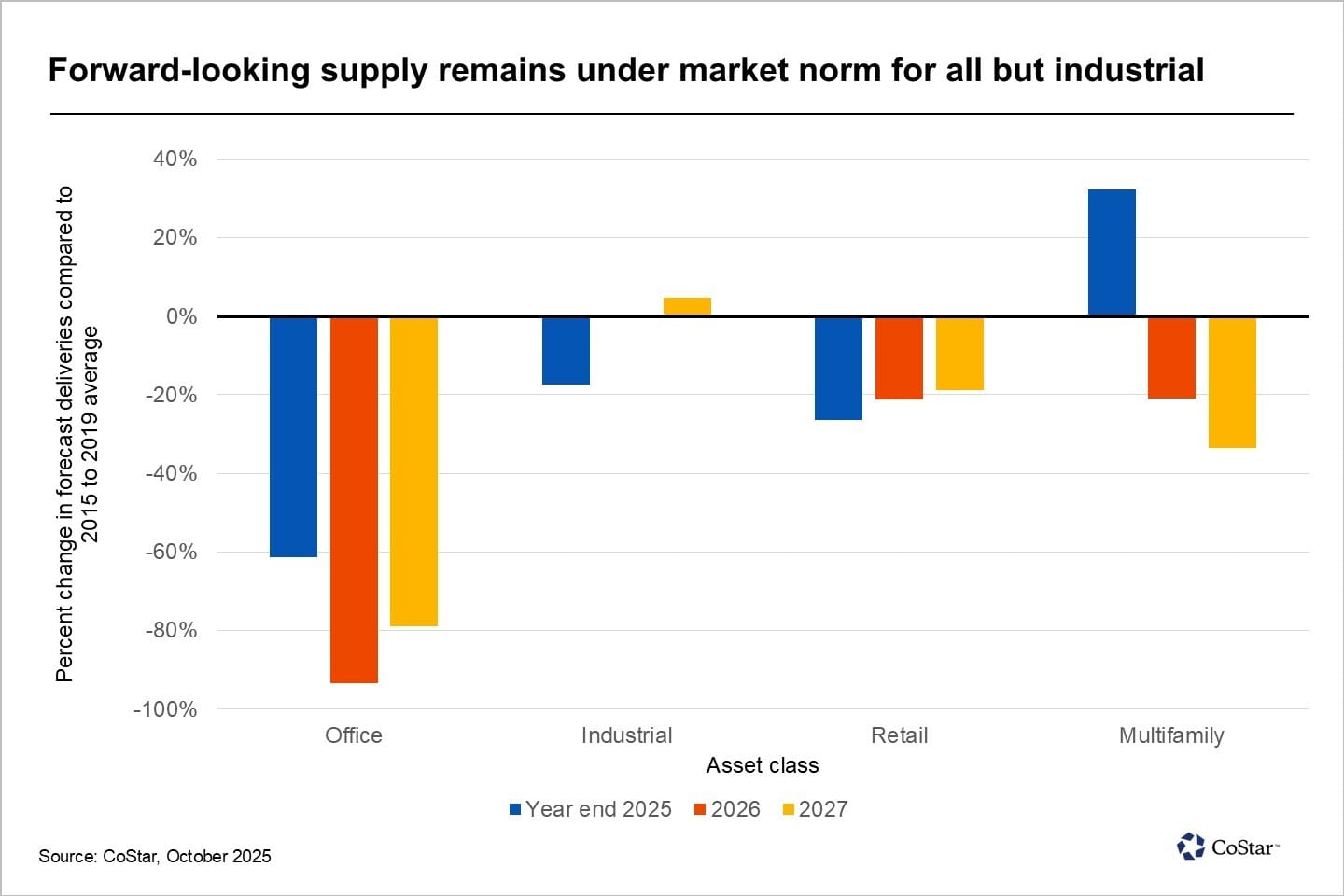
The DFW market is transitioning into a new construction phase marked by a slowdown in office development, a more selective approach to industrial projects, and an evolving housing landscape shaped by affordability and population growth. Developers are recalibrating their priorities, and for real estate professionals, understanding these shifts offers a critical edge in navigating—and capitalizing on—the next phase of the metroplex’s growth.
A new federal lawsuit claims Zillow pushed homebuyers toward Zillow Home Loans by rewarding affiliated agents with valuable leads — all without proper disclosure. The suit alleges undisclosed incentives, referral quotas, and potential RESPA violations, raising major concerns about steering, fiduciary duties, and Zillow’s expanding mortgage ambitions.
The mortgage industry is evolving fast, and the lenders who come out on top will be those who innovate without uprooting what already works. By building on strong technology foundations, streamlining workflows and adopting smart automation, lenders can reduce costs, improve customer experience and stay resilient in any market cycle. This article breaks down why innovation matters now, how a stable tech ecosystem protects lenders in volatile conditions and why small, strategic steps can drive long-term transformation.