Introduction
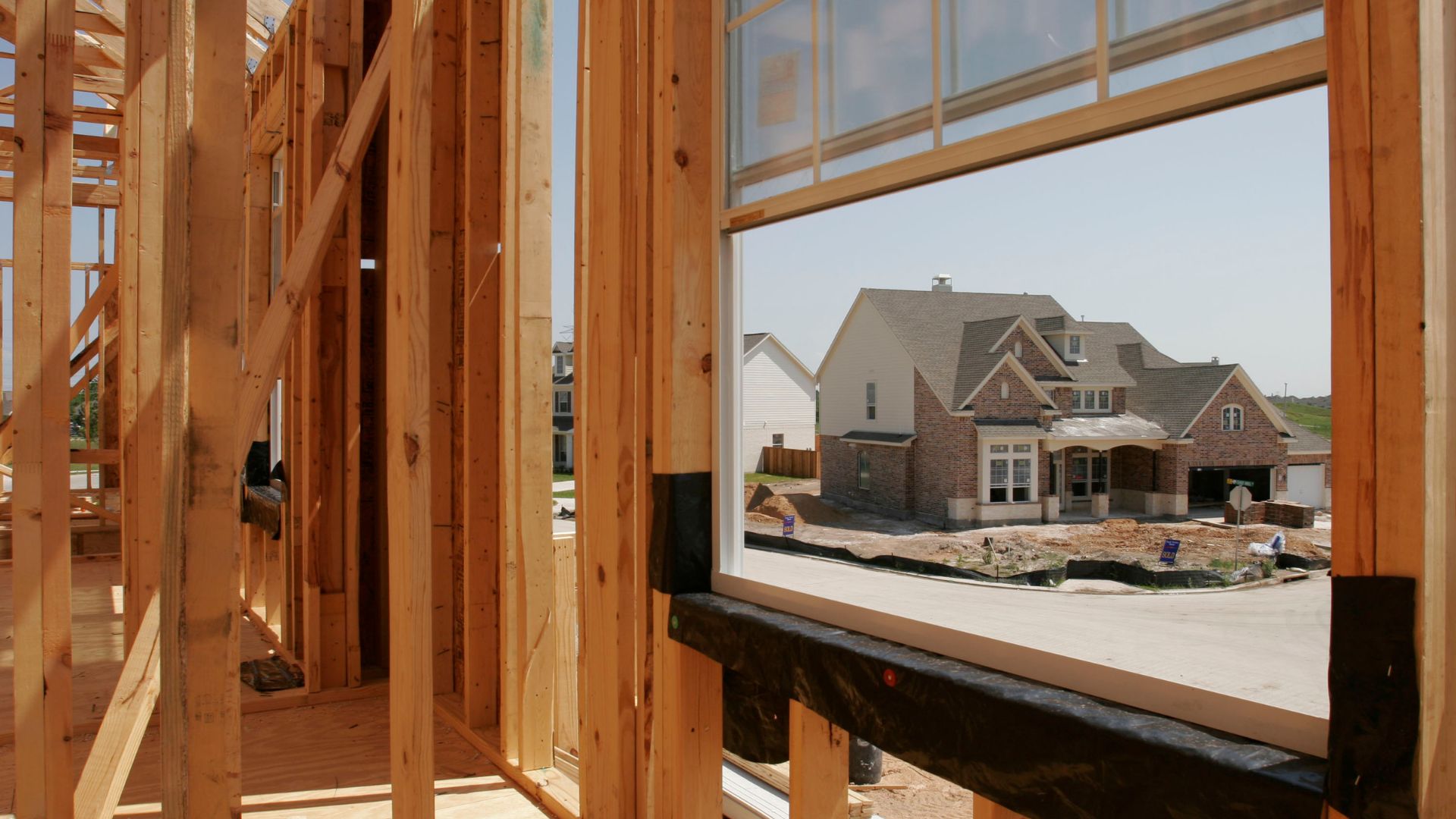
The real estate market has witnessed a sluggish period recently, as various factors have hindered its growth and stability. Affordability concerns, limited inventory, credit tightening, rising interest rates, and a rebound in home prices following a brief correction last fall have all contributed to the challenges faced by both buyers and sellers. In this article, we will explore these intricacies of the current housing market and provide valuable insights to help you navigate this dynamic landscape.
1. Affordability Challenges
The dream of homeownership has become increasingly difficult to achieve for many individuals and families. Over the past few years, housing prices have outpaced wage growth, making homes less affordable. This affordability gap has been exacerbated by the limited supply of affordable homes, particularly in highly sought-after areas. As a result, potential buyers find themselves struggling to find suitable options that align with their budget and lifestyle preferences.
2. Limited Inventory
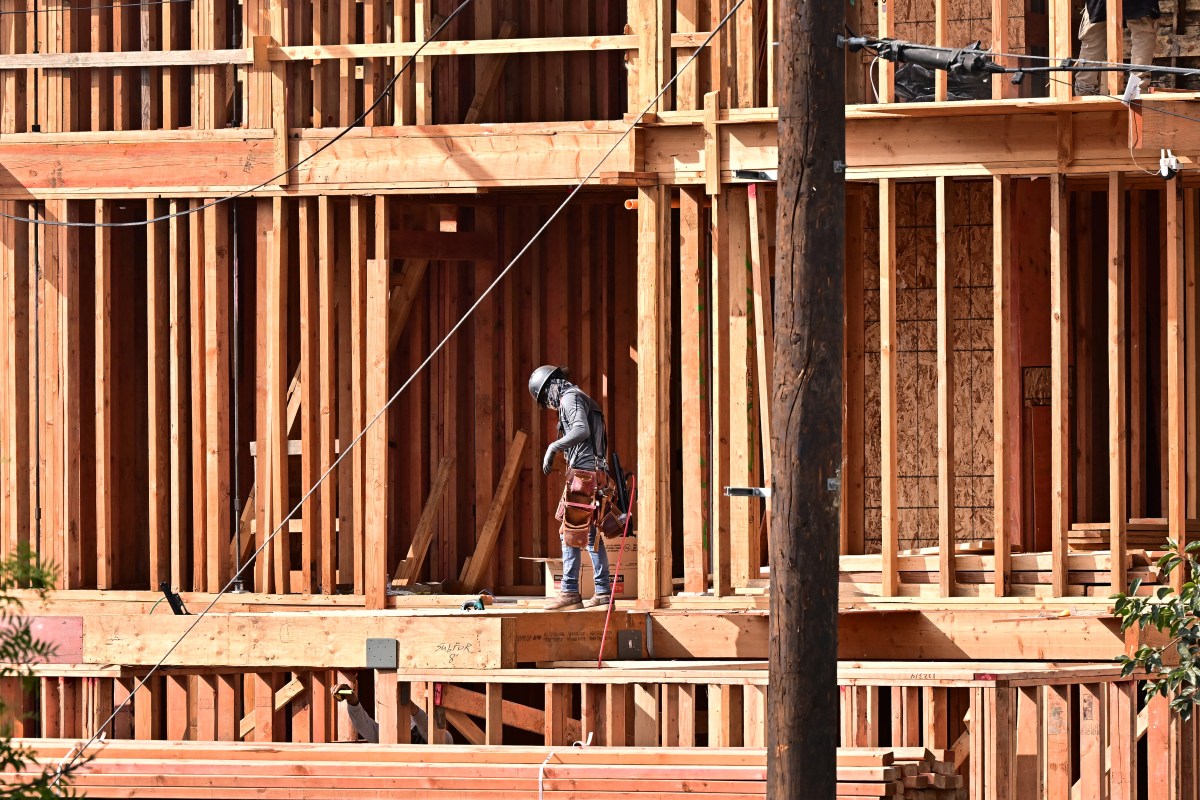
Another key issue plaguing the housing market is the shortage of available properties for sale. The demand for homes continues to outstrip the supply, leading to increased competition among buyers. This scarcity not only drives up prices but also limits the range of choices available to prospective homeowners. Consequently, buyers often find themselves compromising on their preferences or delaying their homeownership plans until more inventory becomes available.
3. Credit Tightening
Access to credit plays a vital role in the real estate market. However, recent credit tightening measures have made it more challenging for some buyers to secure financing. Lenders have become more cautious, implementing stricter requirements that may exclude potential homeowners who previously would have qualified for a mortgage. While these measures aim to reduce the risk of another housing crisis, they can add an additional layer of complexity for those seeking to secure a home loan.
4. Rising Interest Rates
Interest rates are another factor contributing to the current slowdown in the housing market. After a prolonged period of historically low rates, the Federal Reserve has gradually raised rates in response to a strengthening economy. Higher interest rates translate into increased mortgage costs, which can deter some potential buyers. Moreover, rising rates also impact affordability, as higher monthly mortgage payments decrease the purchasing power of borrowers. Consequently, this can further intensify the challenges faced by buyers in an already competitive market.
5. Home Prices Firming Up
In recent years, the housing market experienced a correction period, characterized by a temporary decline in home prices. However, this correction has largely subsided, and home prices are once again on the rise. While homeowners may welcome this trend, buyers are confronted with the reality of higher purchase prices. This situation pushes affordability barriers even further, hampering the ability of many potential buyers to enter the market.
Tips for Prospective Buyers and Sellers
Despite the complexities of the current housing market, there are strategies that can help buyers and sellers navigate these challenges successfully. Consider the following tips:
1. Conduct Thorough Research: As a prospective buyer or seller, it is crucial to stay informed about market trends, interest rates, and local inventory levels. This knowledge will empower you to make informed decisions and capitalize on favorable conditions.
2. Partner with a Knowledgeable Real Estate Agent: Enlisting the help of a reputable and experienced real estate agent can prove invaluable. Agents possess in-depth knowledge of the local market and can guide you through the buying or selling process, providing insights and strategies specific to your situation.
3. Plan for Your Budget and Mortgage: Buyers should thoroughly evaluate their financial situation and establish a realistic budget before beginning their search. Becoming pre-approved for a mortgage can streamline the purchasing process and increase the chances of securing a desirable property. Additionally, sellers should work with an agent to set an appropriate listing price to maximize their chances of a successful transaction.
4. Seek Out Alternative Financing Options: If traditional lending options prove challenging, consider exploring alternative financing routes, such as government-backed loan programs or down payment assistance programs. These options may offer more flexibility and accessibility in achieving homeownership goals.
5. Patience and Flexibility: In a competitive market, patience and flexibility are essential. Buyers may need to compromise on certain preferences or expand their search radius to find suitable options. Similarly, sellers should be open to negotiation and market feedback to ensure a successful sale.
Conclusion
The current state of the housing market presents challenges that require careful consideration and strategic planning for both buyers and sellers. Affordability concerns, limited inventory, credit tightening, rising interest rates, and firming home prices all contribute to the complexity of this dynamic landscape. However, armed with knowledge, realistic expectations, and the right support system, individuals can overcome these challenges and achieve their real estate goals. Remember to stay up to date with market conditions, seek professional guidance, and remain patient and flexible throughout the process. With perseverance, informed decision-making, and adaptability, the path to successful real estate transactions can be navigated in any market environment.