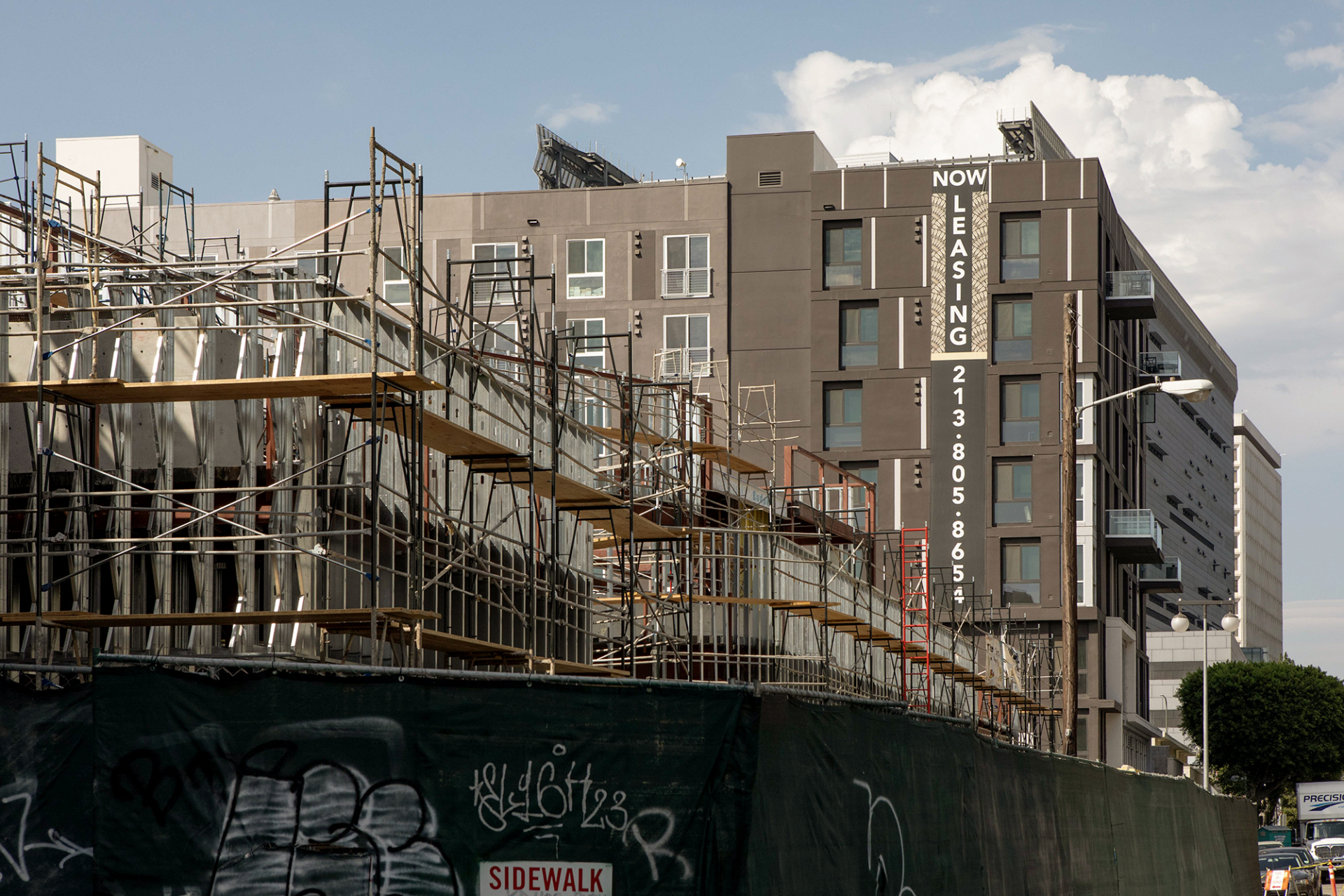
In an unexpected twist of economic fate, the construction industry finds itself grappling with a steep ascent in building material costs, a trend that began its climb at the dawn of 2024. Despite a broader decline in inflation, the cost of residential construction materials surged significantly by June 2024, reaching levels not seen since February 2023. This has left home builders scrambling to manage budgets and keep housing affordable.
Understanding the Impact of Rising Building Material Costs
The escalating costs of essential materials such as softwood lumber, steel, and aluminum are contributing to a housing affordability crisis. These materials, often imported, are subject to price volatility that only exacerbates the situation. Builders now face the dual challenge of completing homes on time and ensuring they appraise correctly to reflect these rising costs.
Factors Contributing to the Rise in Material Costs
The classic economic principle of supply and demand is at play, as the demand for building materials spikes during peak construction seasons while supply remains constrained. Inflationary pressures, global trade disruptions, and a push towards sustainable building practices further heighten the cost challenges.
Impact on the Construction Industry
The ramifications for the construction sector are profound. Rising project costs and shrinking profit margins are direct outcomes, as builders pass increased expenses onto home buyers. This not only diminishes housing affordability but also complicates the appraisal process, making it difficult to accurately reflect home values.
Potential Solutions to Mitigate the Effects of High Material Costs
Industry experts suggest several strategies to combat these challenges. These include negotiating a new softwood lumber agreement with Canada, adopting efficient material use practices, and securing long-term contracts to stabilize costs. Exploring alternative materials and enhancing supplier collaborations are also crucial steps.
Moreover, the construction industry must tackle a significant labor shortage, with job openings on the rise. Investing in workforce development and embracing automation could help mitigate these labor challenges.
Adapting to the Changing Material Cost Landscape
As the industry navigates this turbulent landscape, builders are urged to adopt innovative practices and technologies. This could involve rethinking project designs, forming strategic partnerships, and embracing more affordable housing solutions.
By staying proactive and adaptable, the home building industry can not only survive but thrive amidst these challenges, positioning itself for success in a rapidly evolving market.
More Articles
Getting licensed or staying ahead in your career can be a journey—but it doesn’t have to be overwhelming. Grab your favorite coffee or tea, take a moment to relax, and browse through our articles. Whether you’re just starting out or renewing your expertise, we’ve got tips, insights, and advice to keep you moving forward. Here’s to your success—one sip and one step at a time!
As the future of non-compete bans remains murky, physicians, who make up a significant portion of affected professionals, are left pondering the implications on their careers and the healthcare landscape.
In conclusion, while the Florida housing market may experience fluctuations and stabilization in growth rates, a crash seems unlikely. The combination of economic fundamentals, population growth, and the state's inherent appeal suggests a market that will continue to attract interest and investment.
As the sector stands at a crossroads, organizations that embrace these changes and invest in sustainable, technologically advanced solutions are likely to thrive in the coming years.
The housing market has been on a rollercoaster ride in recent years, with prices skyrocketing due to a combination of pandemic-induced shifts and historically low interest rates. As we look forward to the next decade, prospective homebuyers are left pondering: Will prices continue their upward trajectory? How will affordability be affected?
In a city where the notion of a "100% affordable project" without public funding once seemed a contradiction, Los Angeles is witnessing an unprecedented transformation.