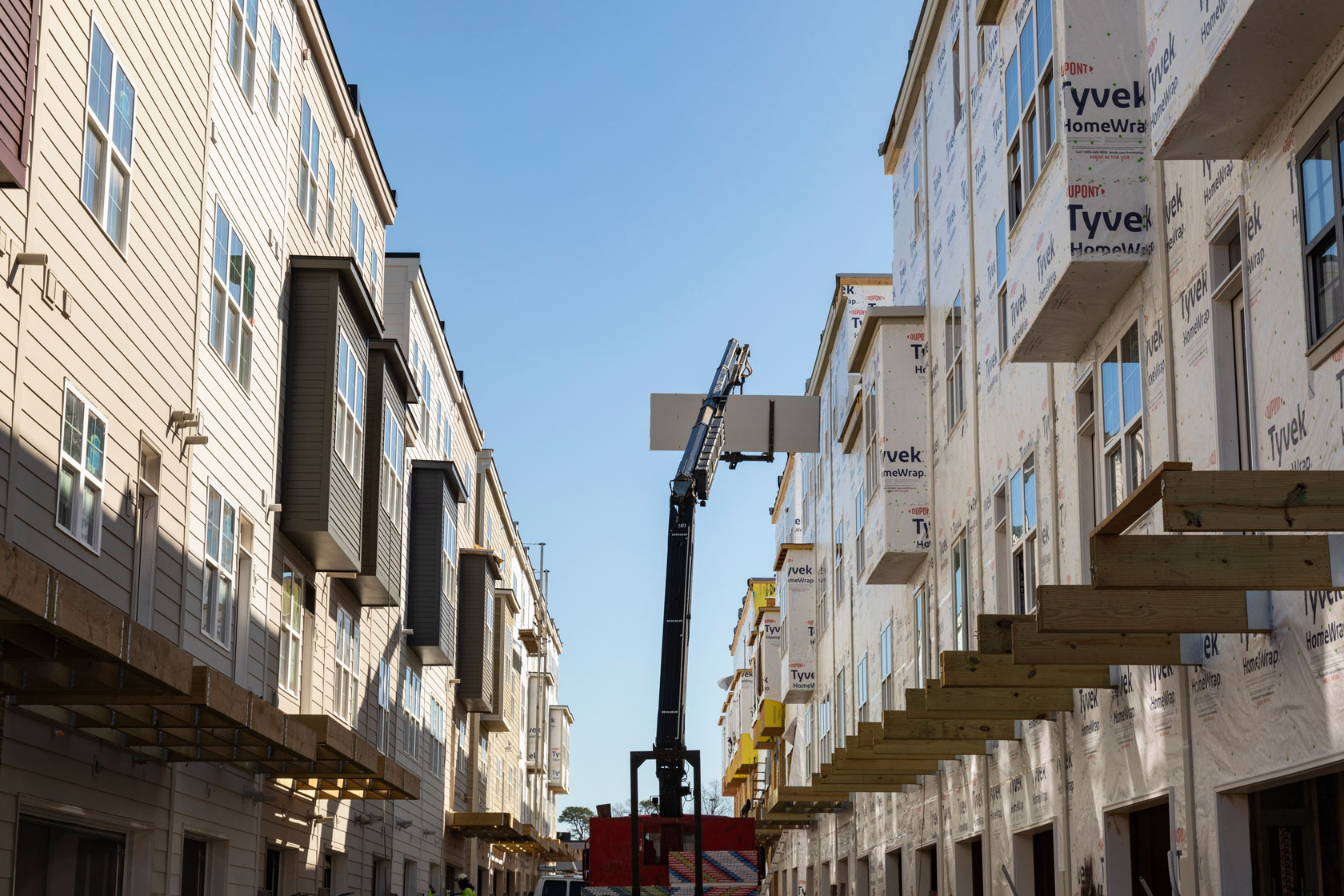
In an unexpected twist of economic fate, the construction industry finds itself grappling with a steep ascent in building material costs, a trend that began its climb at the dawn of 2024. Despite a broader decline in inflation, the cost of residential construction materials surged significantly by June 2024, reaching levels not seen since February 2023. This has left home builders scrambling to manage budgets and keep housing affordable.
Understanding the Impact of Rising Building Material Costs
The escalating costs of essential materials such as softwood lumber, steel, and aluminum are contributing to a housing affordability crisis. These materials, often imported, are subject to price volatility that only exacerbates the situation. Builders now face the dual challenge of completing homes on time and ensuring they appraise correctly to reflect these rising costs.
Factors Contributing to the Rise in Material Costs
The classic economic principle of supply and demand is at play, as the demand for building materials spikes during peak construction seasons while supply remains constrained. Inflationary pressures, global trade disruptions, and a push towards sustainable building practices further heighten the cost challenges.
Impact on the Construction Industry
The ramifications for the construction sector are profound. Rising project costs and shrinking profit margins are direct outcomes, as builders pass increased expenses onto home buyers. This not only diminishes housing affordability but also complicates the appraisal process, making it difficult to accurately reflect home values.
Potential Solutions to Mitigate the Effects of High Material Costs
Industry experts suggest several strategies to combat these challenges. These include negotiating a new softwood lumber agreement with Canada, adopting efficient material use practices, and securing long-term contracts to stabilize costs. Exploring alternative materials and enhancing supplier collaborations are also crucial steps.
Moreover, the construction industry must tackle a significant labor shortage, with job openings on the rise. Investing in workforce development and embracing automation could help mitigate these labor challenges.
Adapting to the Changing Material Cost Landscape
As the industry navigates this turbulent landscape, builders are urged to adopt innovative practices and technologies. This could involve rethinking project designs, forming strategic partnerships, and embracing more affordable housing solutions.
By staying proactive and adaptable, the home building industry can not only survive but thrive amidst these challenges, positioning itself for success in a rapidly evolving market.
More Articles
Getting licensed or staying ahead in your career can be a journey—but it doesn’t have to be overwhelming. Grab your favorite coffee or tea, take a moment to relax, and browse through our articles. Whether you’re just starting out or renewing your expertise, we’ve got tips, insights, and advice to keep you moving forward. Here’s to your success—one sip and one step at a time!
In the aftermath of Hurricane Helene, homeowners in North Carolina face the daunting challenge of securing compensation from insurance companies and the federal government. The process can be both infuriating and baffling, yet it is essential for recovery.
Nearly half of all rental households in America are cost-burdened, spending over 30% of their income on rent. This financial strain is even more pronounced in areas with strong employment growth, where housing costs are highest. The paradox is clear: regions with the most economic opportunities present the greatest barriers to affordable housing.
The potential for AI to affect wage structures and income inequality is another critical discussion point. While AI could enhance productivity, it might also concentrate benefits among a select group.
The advent of blockchain technology and decentralized finance (DeFi) is revolutionizing how we perceive and interact with financial markets. Central to this transformation is the concept of tokenization, a process that converts assets into digital tokens on a blockchain, enhancing security, accessibility, and liquidity.
The marriage of AI and blockchain promises to streamline transaction processing, significantly reducing paperwork and processing time. This newfound efficiency allows agents to handle more deals at their own pace, enhancing productivity and client satisfaction.