In an unexpected twist of economic fate, the construction industry finds itself grappling with a steep ascent in building material costs, a trend that began its climb at the dawn of 2024. Despite a broader decline in inflation, the cost of residential construction materials surged significantly by June 2024, reaching levels not seen since February 2023. This has left home builders scrambling to manage budgets and keep housing affordable.
Understanding the Impact of Rising Building Material Costs
The escalating costs of essential materials such as softwood lumber, steel, and aluminum are contributing to a housing affordability crisis. These materials, often imported, are subject to price volatility that only exacerbates the situation. Builders now face the dual challenge of completing homes on time and ensuring they appraise correctly to reflect these rising costs.
Factors Contributing to the Rise in Material Costs
The classic economic principle of supply and demand is at play, as the demand for building materials spikes during peak construction seasons while supply remains constrained. Inflationary pressures, global trade disruptions, and a push towards sustainable building practices further heighten the cost challenges.
Impact on the Construction Industry
The ramifications for the construction sector are profound. Rising project costs and shrinking profit margins are direct outcomes, as builders pass increased expenses onto home buyers. This not only diminishes housing affordability but also complicates the appraisal process, making it difficult to accurately reflect home values.
Potential Solutions to Mitigate the Effects of High Material Costs
Industry experts suggest several strategies to combat these challenges. These include negotiating a new softwood lumber agreement with Canada, adopting efficient material use practices, and securing long-term contracts to stabilize costs. Exploring alternative materials and enhancing supplier collaborations are also crucial steps.
Moreover, the construction industry must tackle a significant labor shortage, with job openings on the rise. Investing in workforce development and embracing automation could help mitigate these labor challenges.
Adapting to the Changing Material Cost Landscape
As the industry navigates this turbulent landscape, builders are urged to adopt innovative practices and technologies. This could involve rethinking project designs, forming strategic partnerships, and embracing more affordable housing solutions.
By staying proactive and adaptable, the home building industry can not only survive but thrive amidst these challenges, positioning itself for success in a rapidly evolving market.
More Articles
Getting licensed or staying ahead in your career can be a journey—but it doesn’t have to be overwhelming. Grab your favorite coffee or tea, take a moment to relax, and browse through our articles. Whether you’re just starting out or renewing your expertise, we’ve got tips, insights, and advice to keep you moving forward. Here’s to your success—one sip and one step at a time!
In Florida, the earnings of a real estate agent can vary significantly based on numerous factors including experience, location, and the current state of the housing market. The potential earnings are quite broad, with average salaries ranging from $40,000 to $90,000 per year. However, top-performing agents in high-demand areas can earn well above this range, sometimes exceeding $100,000 annually.
Screening prospective tenants who utilize Section 8 vouchers in Florida requires a thorough understanding of both federal and local laws to ensure compliance and avoid potential legal issues.
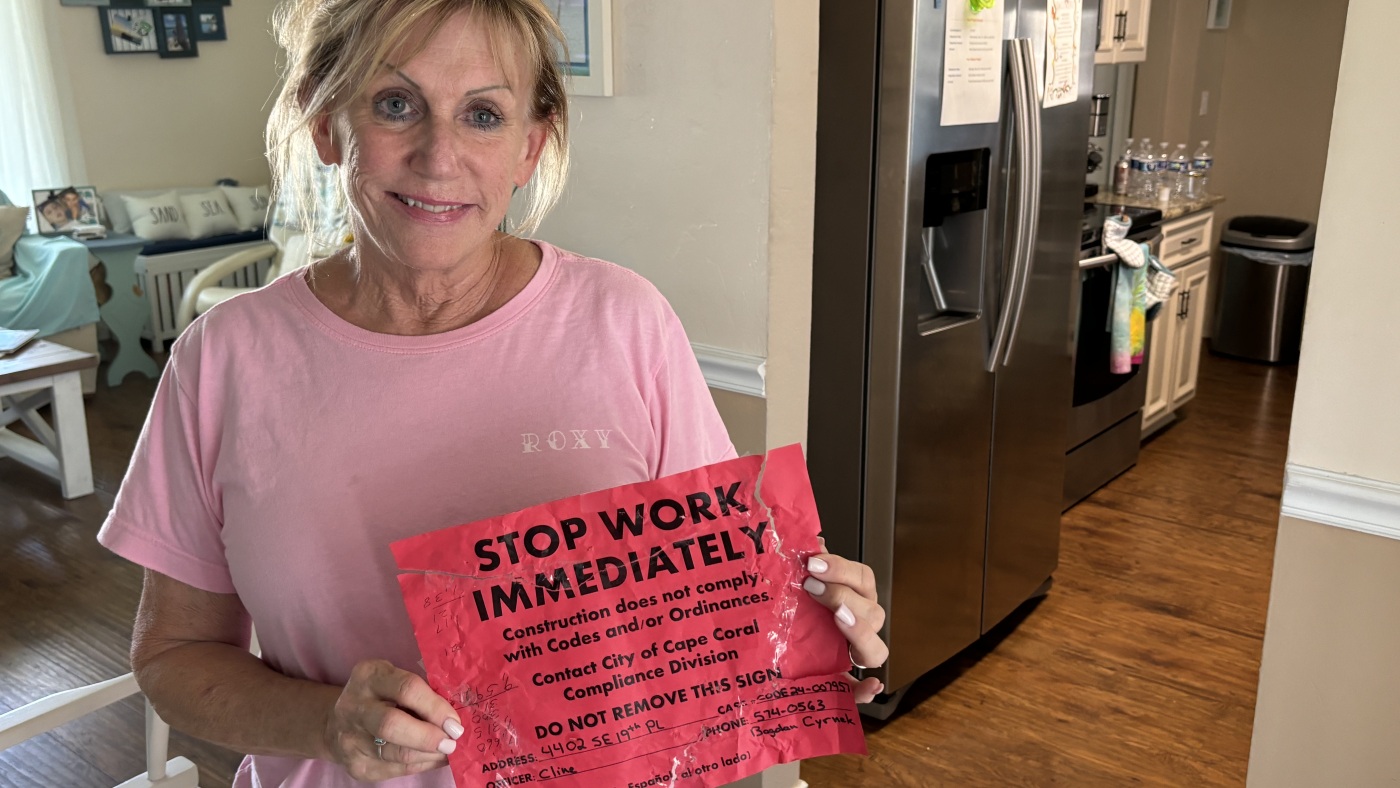
A study by First Street reveals Cape Coral has more properties at risk of flooding than any other city in Florida. Following Hurricane Ian, FEMA withdrew the city's flood insurance discount, blaming improper rebuilding practices.
Goldman Sachs Research has projected a notable increase in US home prices, forecasting a 4.5% rise this year and a 4.4% increase in 2025, as the Federal Reserve is expected to implement interest rate cuts.
In the realm of real estate, myths and misconceptions about Section 8 tenants often cloud the judgment of landlords. These stereotypes suggest that Section 8 tenants might damage property or fail to pay rent. However, these risks are inherent in renting to any tenant, not just those participating in the Section 8 program. The key to mitigating these risks lies in a robust and consistent screening process.