Housing Industry Innovation: 5 Ways AI Can Help Boost Supply and Affordability

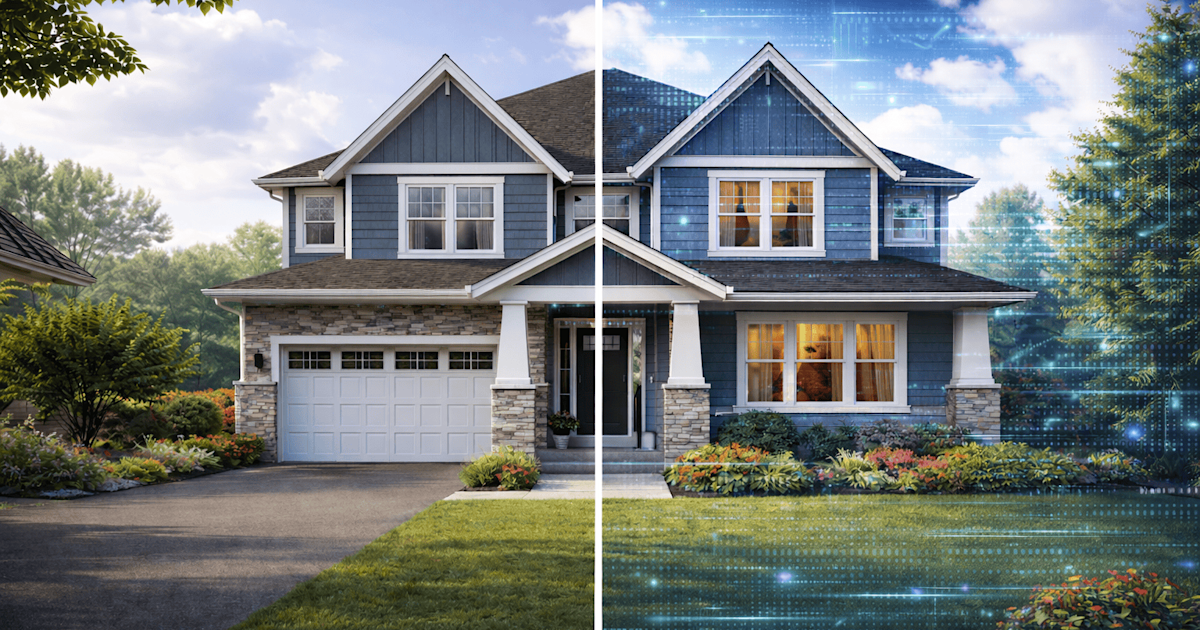
In an era where artificial intelligence (AI) is becoming increasingly pervasive, the housing industry stands on the cusp of a transformative phase. As reported by the Bipartisan Policy Center, AI is reshaping five critical areas in housing: predevelopment, construction, credit assessments, home appraisals, and property tax assessments. These advancements promise to enhance accessibility, reduce costs, and accelerate housing production.

AI and Predevelopment
Generative AI, a subset of machine-learning technology, is revolutionizing the predevelopment phase of housing projects. By automating various tasks, AI tools can significantly cut down on time and expenses. These tools generate multiple design options, emphasizing sustainable designs by considering local climate, energy usage, and available building materials. Developers can also leverage AI to ensure compliance with zoning and land-use regulations, thus avoiding costly delays. For more insights on generative AI in real estate, visit the Generative AI Applied to Real Estate article.

AI and Construction
The United States has grappled with a housing shortage, having “underbuilt” by millions of homes over the past two decades. AI is poised to bridge this gap by streamlining construction processes. AI-driven technologies, such as drones and mobile robots, monitor construction site progress and enhance safety by flagging potential hazards. This integration not only improves efficiency but also attracts new talent by creating job opportunities in emerging fields.

AI and Creditworthiness
The mortgage lending process is evolving with AI’s ability to incorporate alternative data, such as on-time utility or rent payments, to assess creditworthiness more accurately. This innovation broadens access to credit, particularly for those without traditional credit histories. However, the use of AI in credit scoring raises privacy and discrimination concerns, necessitating transparency and regulatory oversight. The Consumer Finance Blog provides further details on alternative data usage.

AI and Home Appraisals
Home appraisals, crucial for determining property value, are increasingly relying on automated valuation models (AVMs) powered by AI. These models offer more accurate valuations compared to traditional methods, although they require comprehensive and unbiased data to avoid perpetuating existing biases. The Urban Institute’s report explores the potential of AI in appraisals.

AI and Property Tax Assessments
Property tax assessments, essential for calculating taxes owed, benefit from AI’s ability to conduct frequent and accurate evaluations. By leveraging AI, jurisdictions can reduce workloads and improve assessment precision, thereby addressing disparities such as the over-assessment of Black-owned homes.

Looking ahead, the Biden administration’s executive order on AI aims to establish safety standards and encourage innovation across federal agencies, including the Department of Housing and Urban Development. Meanwhile, Congress evaluates AI’s impact through hearings and task forces, shaping the legislative landscape for AI’s role in housing.

AI presents a wealth of opportunities for the housing industry, from reducing project timelines to enhancing credit access. However, careful consideration of ethical and regulatory frameworks is essential to ensure these technologies benefit all Americans.

More Articles

Getting licensed or staying ahead in your career can be a journey—but it doesn’t have to be overwhelming. Grab your favorite coffee or tea, take a moment to relax, and browse through our articles. Whether you’re just starting out or renewing your expertise, we’ve got tips, insights, and advice to keep you moving forward. Here’s to your success—one sip and one step at a time!

Florida’s Property Insurance Crisis Reaches Breaking Point as Lawmakers Hit Pause

Florida now leads the nation in property insurance costs, with many homeowners paying more than $10,000 a year for shrinking coverage and higher deductibles. Despite nearly half of hurricane‑related claims ending with no payout and appeals failing over 90% of the time, state leaders say reforms “need more time to work.” With key relief bills stalled and real estate professionals feeling the shockwaves, experts warn that legislative inaction is deepening a crisis that threatens homeownership and the state’s economic stability.

A Time of Reckoning for Commercial Real Estate

Banks are finally calling in billions tied to troubled commercial real estate loans, pushing delinquency rates to historic highs and ending years of “extend and pretend.” With more than 12% of office loans now delinquent and $875 billion in commercial debt maturing in 2026, regional banks and property owners are facing mounting pressure. As valuations drop and refinancing becomes harder, experts warn that tighter lending standards and broader economic ripple effects are on the horizon—making strategic preparation essential for today’s real estate and finance professionals.

Florida Ends FIGA’s 1% Insurance Assessment Two Years Early

Florida policyholders are getting rare good news: the Florida Insurance Guaranty Association is ending its 1% emergency insurance assessment on October 1—two years ahead of schedule. The decision follows a calmer hurricane season, fewer insurer insolvencies, and growing market stability. The early termination is expected to save Floridians up to $650 million, with the average homeowner seeing about $31 in annual savings. This marks another milestone in the state’s insurance market recovery after major legislative reforms in 2022 and 2023.

The Moment Real Estate Realized AI Isn’t a Toy Anymore

The real estate industry has officially moved past its AI honeymoon phase. What began as a fun, optional tool has quietly become the backbone of how agents create content, communicate with clients, and market properties. But with that shift comes rising concern about authenticity, legal risks, and whether consumers will start questioning what they’re really paying agents for. As AI blends into everything from listing descriptions to client advice, professionals now face a new challenge: proving the human value behind the technology.

Commercial Real Estate Is Finally Turning Around: Why 2026 Could Be the Big Rebound Year

After years of volatility, industry analysts say commercial real estate may finally be on the verge of a major comeback. Investment activity is rising, leasing demand is strengthening, and key cities like Manhattan are leading a broader national recovery. With vacancy rates expected to drop and high‑quality buildings outperforming the rest, 2026 is shaping up to be the turning point investors and professionals have been waiting for.

Rising Costs and Slower Premium Growth Signal a Tougher 2026 for P/C Insurance

AM Best warns that the property and casualty insurance market is heading into a more challenging 2026 as premium growth slows, inflation drives up claims costs, and combined ratios rise. Despite a strong 2025, moderating rates, higher repair and construction expenses, and ongoing reserve deficiencies are pressuring profitability. While commercial lines and personal lines both feel the strain, the E&S market continues to expand as traditional carriers pull back. This shifting landscape highlights the need for insurance professionals to stay sharp, informed, and adaptable.