Housing Industry Innovation: 5 Ways AI Can Help Boost Supply and Affordability
In an era where
artificial intelligence (AI) is becoming increasingly pervasive, the
housing industry stands on the cusp of a transformative phase. As reported by the
Bipartisan Policy Center,
AI is reshaping five critical areas in housing: predevelopment, construction, credit assessments, home appraisals, and property tax assessments. These advancements promise to enhance accessibility, reduce costs, and accelerate
housing production.
AI and Predevelopment
Generative
AI, a subset of machine-learning technology, is revolutionizing the predevelopment phase of housing projects. By automating various tasks,
AI tools can significantly cut down on time and expenses. These tools generate multiple design options, emphasizing sustainable designs by considering local climate, energy usage, and available building materials. Developers can also leverage
AI to ensure compliance with zoning and land-use regulations, thus avoiding costly delays. For more insights on generative
AI in real estate, visit the
Generative AI Applied to Real Estate article.
AI and Construction
The United States has grappled with a housing shortage, having “underbuilt” by millions of homes over the past two decades.
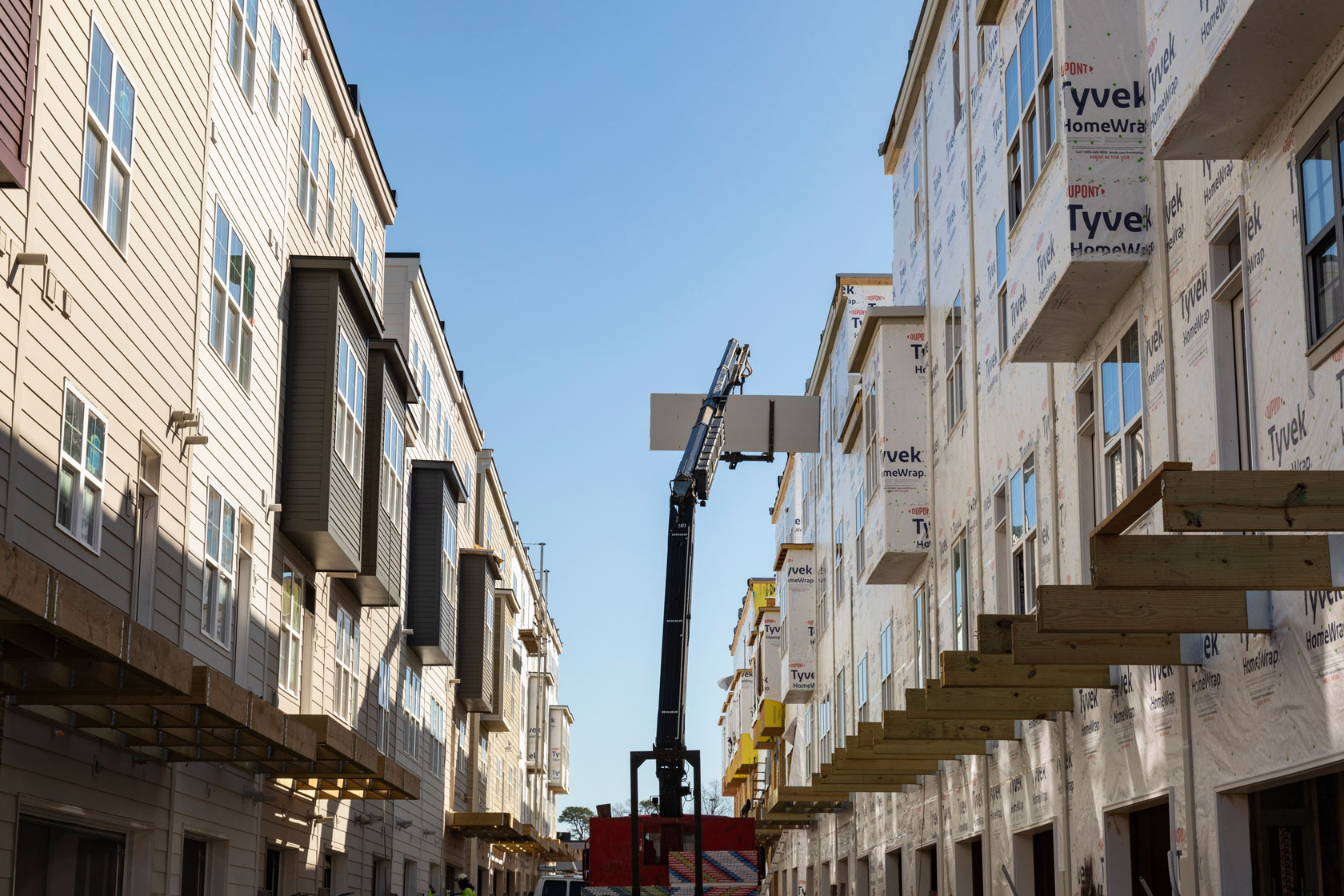
AI is poised to bridge this gap by streamlining construction processes. AI-driven technologies, such as drones and mobile robots, monitor construction site progress and enhance safety by flagging potential hazards. This integration not only improves efficiency but also attracts new talent by creating job opportunities in emerging fields.
AI and Creditworthiness
The mortgage lending process is evolving with
AI’s ability to incorporate alternative data, such as on-time utility or rent payments, to assess creditworthiness more accurately. This innovation broadens access to credit, particularly for those without traditional credit histories. However, the use of
AI in credit scoring raises privacy and discrimination concerns, necessitating transparency and regulatory oversight. The
Consumer Finance Blog provides further details on alternative data usage.
AI and Home Appraisals
Home appraisals, crucial for determining property value, are increasingly relying on automated valuation models (AVMs) powered by
AI. These models offer more accurate valuations compared to traditional methods, although they require comprehensive and unbiased data to avoid perpetuating existing biases. The
Urban Institute’s report explores the potential of
AI in appraisals.
AI and Property Tax Assessments
Property tax assessments, essential for calculating taxes owed, benefit from
AI’s ability to conduct frequent and accurate evaluations. By leveraging
AI, jurisdictions can reduce workloads and improve assessment precision, thereby addressing disparities such as the over-assessment of Black-owned homes.
Looking ahead, the Biden administration’s
executive order on
AI aims to establish safety standards and encourage innovation across federal agencies, including the Department of Housing and Urban Development. Meanwhile, Congress evaluates
AI’s impact through hearings and task forces, shaping the legislative landscape for AI’s role in housing.
AI presents a wealth of opportunities for the housing industry, from reducing project timelines to enhancing credit access. However, careful consideration of ethical and regulatory frameworks is essential to ensure these technologies benefit all Americans.