Housing Industry Innovation: 5 Ways AI Can Help Boost Supply and Affordability

In an era where artificial intelligence (AI) is becoming increasingly pervasive, the housing industry stands on the cusp of a transformative phase. As reported by the Bipartisan Policy Center, AI is reshaping five critical areas in housing: predevelopment, construction, credit assessments, home appraisals, and property tax assessments. These advancements promise to enhance accessibility, reduce costs, and accelerate housing production.

AI and Predevelopment
Generative AI, a subset of machine-learning technology, is revolutionizing the predevelopment phase of housing projects. By automating various tasks, AI tools can significantly cut down on time and expenses. These tools generate multiple design options, emphasizing sustainable designs by considering local climate, energy usage, and available building materials. Developers can also leverage AI to ensure compliance with zoning and land-use regulations, thus avoiding costly delays. For more insights on generative AI in real estate, visit the Generative AI Applied to Real Estate article.

AI and Construction
The United States has grappled with a housing shortage, having “underbuilt” by millions of homes over the past two decades. AI is poised to bridge this gap by streamlining construction processes. AI-driven technologies, such as drones and mobile robots, monitor construction site progress and enhance safety by flagging potential hazards. This integration not only improves efficiency but also attracts new talent by creating job opportunities in emerging fields.

AI and Creditworthiness
The mortgage lending process is evolving with AI’s ability to incorporate alternative data, such as on-time utility or rent payments, to assess creditworthiness more accurately. This innovation broadens access to credit, particularly for those without traditional credit histories. However, the use of AI in credit scoring raises privacy and discrimination concerns, necessitating transparency and regulatory oversight. The Consumer Finance Blog provides further details on alternative data usage.

AI and Home Appraisals
Home appraisals, crucial for determining property value, are increasingly relying on automated valuation models (AVMs) powered by AI. These models offer more accurate valuations compared to traditional methods, although they require comprehensive and unbiased data to avoid perpetuating existing biases. The Urban Institute’s report explores the potential of AI in appraisals.

AI and Property Tax Assessments
Property tax assessments, essential for calculating taxes owed, benefit from AI’s ability to conduct frequent and accurate evaluations. By leveraging AI, jurisdictions can reduce workloads and improve assessment precision, thereby addressing disparities such as the over-assessment of Black-owned homes.

Looking ahead, the Biden administration’s executive order on AI aims to establish safety standards and encourage innovation across federal agencies, including the Department of Housing and Urban Development. Meanwhile, Congress evaluates AI’s impact through hearings and task forces, shaping the legislative landscape for AI’s role in housing.

AI presents a wealth of opportunities for the housing industry, from reducing project timelines to enhancing credit access. However, careful consideration of ethical and regulatory frameworks is essential to ensure these technologies benefit all Americans.

More Articles

Getting licensed or staying ahead in your career can be a journey—but it doesn’t have to be overwhelming. Grab your favorite coffee or tea, take a moment to relax, and browse through our articles. Whether you’re just starting out or renewing your expertise, we’ve got tips, insights, and advice to keep you moving forward. Here’s to your success—one sip and one step at a time!

The Mortgage Industry’s AI Transformation: Automation Reshapes Lending From Application to Approval

Artificial intelligence is rapidly reshaping the mortgage industry, boosting productivity, reducing manual work, and accelerating loan closings. From automated document data extraction to AI‑generated underwriting narratives and predictive analytics, lenders are using new tools that improve accuracy and drastically speed up processing times. With chatbots, next‑gen point‑of‑sale systems, and end‑to‑end automation, preapprovals that once took days now take minutes. For mortgage and real estate professionals, mastering AI is becoming a major competitive advantage—one that defines who will thrive in the future of lending.

Why Your Insurance Bill Is Rising Even as Florida Rates Go Down

Florida’s property insurance rates are finally starting to drop, but many homeowners are still seeing higher monthly bills. The reason isn’t insurer price hikes—it’s soaring replacement costs driven by construction inflation, labor shortages, and rising home values. Nearly 75 percent of recent premium increases came from higher property values alone. Understanding this gap between “rates” and “premiums” helps homeowners—and real estate and insurance professionals—navigate the shifting Florida market and make smarter coverage decisions.

Milwaukee’s Commercial Real Estate Market Turns a Corner

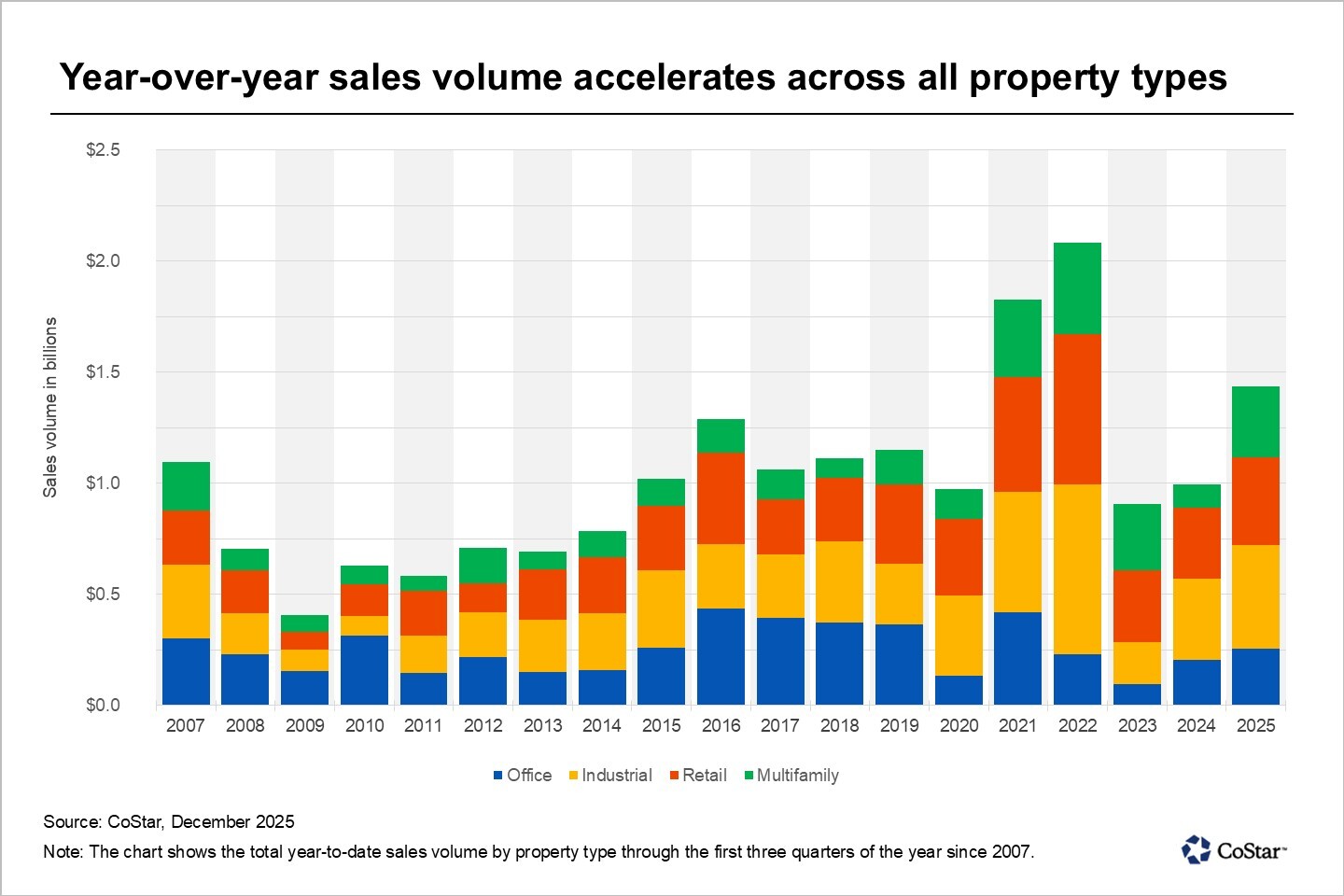
Milwaukee’s commercial real estate market is finally showing real signs of recovery, with 2025 sales volume hitting a three‑year high and investor confidence steadily returning. Driven by selective, fundamentals‑focused buying—favoring strong cash flow, quality assets, and strategic pricing—the city is moving from a period of correction into a healthier, opportunity‑rich phase. For real estate professionals nationwide, Milwaukee’s momentum reflects broader CRE market stabilization and the growing importance of disciplined underwriting and market expertise.

Reverse Mortgage Market Poised for Breakout Growth in 2026

Industry leaders project a major surge in reverse mortgage activity heading into 2026, fueled by rising proprietary products, lender innovation, and strong investor interest. As high interest rates push originators to adopt new strategies, flexible private‑label options, senior‑focused HELOCs, and a wave of big‑capital investment are reshaping the market. With education and policy shifts poised to unlock even more demand, reverse mortgages are entering their most transformative era yet.

The 2026 Housing Market Outlook: Is Better Inventory Finally on the Horizon?

Experts forecast that 2026 may bring long‑awaited relief to homebuyers, with both existing and new home inventory expected to rise. NAR predicts a boost in home sales, a slight drop in mortgage rates, and a modest 4% increase in prices—conditions that could motivate more homeowners to list while builders add over a million new homes to the market. For first‑time buyers, higher loan limits and easing qualification standards may make entering the market more achievable than in recent years.

Lower Interest Rates Signal a Brighter 2026 for South Florida Real Estate

South Florida enters 2026 with renewed optimism as falling mortgage rates, improving buyer confidence, and a strong job market help stabilize a housing landscape that struggled in 2025—especially in the condo sector. While single-family homes remained resilient last year, condos faced price drops, rising fees, and hesitation tied to new safety regulations. With rates projected to fall to around 5.8% by year’s end, buying power is increasing, inventory may loosen, and activity is expected to pick up. Still, affordability challenges persist, Miami’s rental market remains intensely competitive, and the condo sector’s recovery will take time.