Housing Industry Innovation: 5 Ways AI Can Help Boost Supply and Affordability

In an era where artificial intelligence (AI) is becoming increasingly pervasive, the housing industry stands on the cusp of a transformative phase. As reported by the Bipartisan Policy Center, AI is reshaping five critical areas in housing: predevelopment, construction, credit assessments, home appraisals, and property tax assessments. These advancements promise to enhance accessibility, reduce costs, and accelerate housing production.

AI and Predevelopment
Generative AI, a subset of machine-learning technology, is revolutionizing the predevelopment phase of housing projects. By automating various tasks, AI tools can significantly cut down on time and expenses. These tools generate multiple design options, emphasizing sustainable designs by considering local climate, energy usage, and available building materials. Developers can also leverage AI to ensure compliance with zoning and land-use regulations, thus avoiding costly delays. For more insights on generative AI in real estate, visit the Generative AI Applied to Real Estate article.

AI and Construction
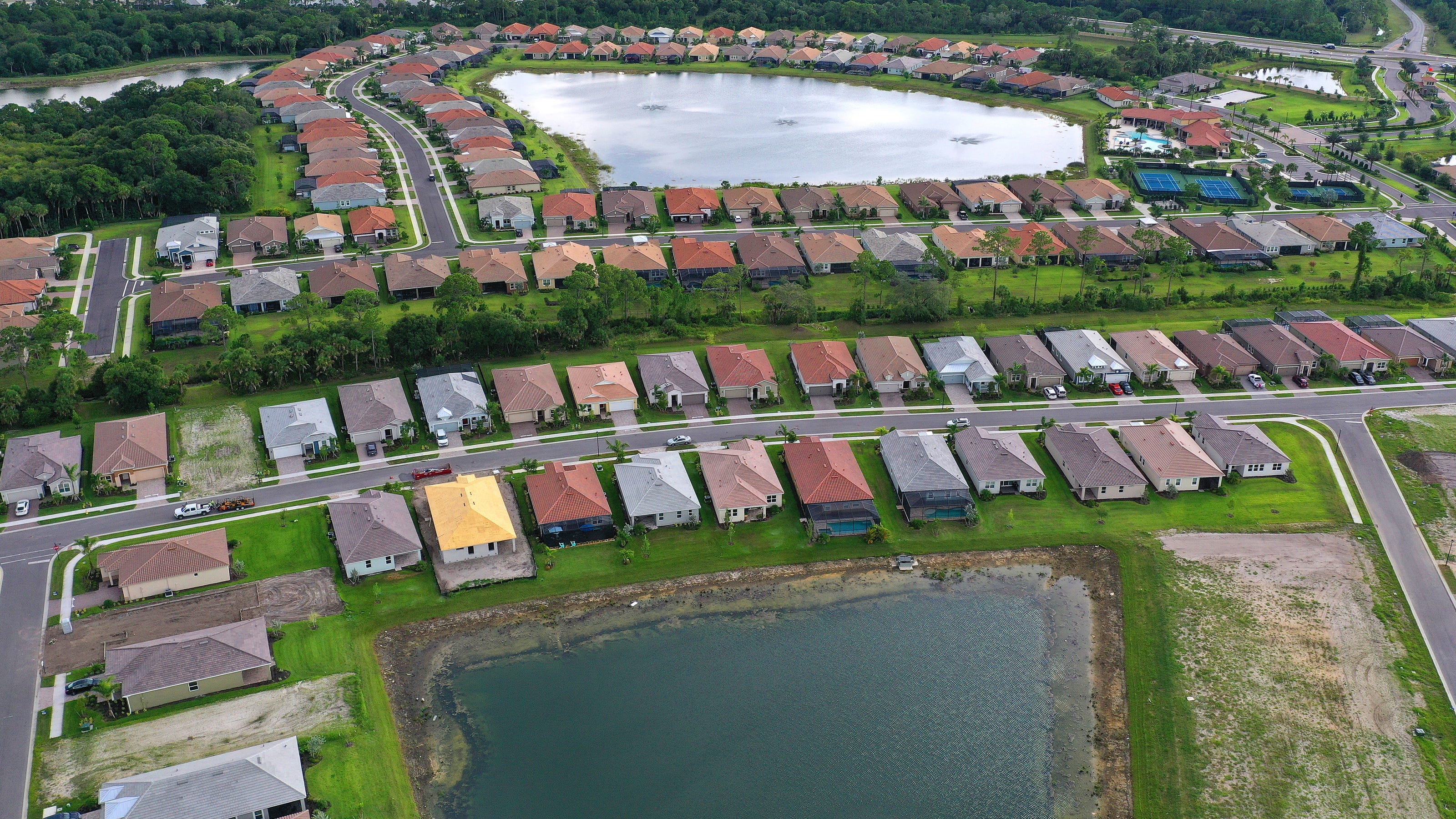
The United States has grappled with a housing shortage, having “underbuilt” by millions of homes over the past two decades. AI is poised to bridge this gap by streamlining construction processes. AI-driven technologies, such as drones and mobile robots, monitor construction site progress and enhance safety by flagging potential hazards. This integration not only improves efficiency but also attracts new talent by creating job opportunities in emerging fields.

AI and Creditworthiness
The mortgage lending process is evolving with AI’s ability to incorporate alternative data, such as on-time utility or rent payments, to assess creditworthiness more accurately. This innovation broadens access to credit, particularly for those without traditional credit histories. However, the use of AI in credit scoring raises privacy and discrimination concerns, necessitating transparency and regulatory oversight. The Consumer Finance Blog provides further details on alternative data usage.

AI and Home Appraisals
Home appraisals, crucial for determining property value, are increasingly relying on automated valuation models (AVMs) powered by AI. These models offer more accurate valuations compared to traditional methods, although they require comprehensive and unbiased data to avoid perpetuating existing biases. The Urban Institute’s report explores the potential of AI in appraisals.

AI and Property Tax Assessments
Property tax assessments, essential for calculating taxes owed, benefit from AI’s ability to conduct frequent and accurate evaluations. By leveraging AI, jurisdictions can reduce workloads and improve assessment precision, thereby addressing disparities such as the over-assessment of Black-owned homes.

Looking ahead, the Biden administration’s executive order on AI aims to establish safety standards and encourage innovation across federal agencies, including the Department of Housing and Urban Development. Meanwhile, Congress evaluates AI’s impact through hearings and task forces, shaping the legislative landscape for AI’s role in housing.

AI presents a wealth of opportunities for the housing industry, from reducing project timelines to enhancing credit access. However, careful consideration of ethical and regulatory frameworks is essential to ensure these technologies benefit all Americans.


More Articles

Getting licensed or staying ahead in your career can be a journey—but it doesn’t have to be overwhelming. Grab your favorite coffee or tea, take a moment to relax, and browse through our articles. Whether you’re just starting out or renewing your expertise, we’ve got tips, insights, and advice to keep you moving forward. Here’s to your success—one sip and one step at a time!

The Rise of Fintech: How Technology Is Reshaping Money and Modern Careers

Fintech has evolved from simple digital banking tools into a global force transforming how we pay, borrow, invest, and manage financial data. With AI, blockchain, and open banking leading the way, fintech is opening new opportunities for consumers, businesses, and professionals across real estate, mortgage, insurance, and finance.

Large CRE Deals Surge in Q3 2025 as Market Confidence Returns

After months of hesitation, the commercial real estate market showed a major resurgence in Q3 2025. Large single‑asset transactions over $10 million jumped to $76 billion — the strongest level since 2022 — signaling renewed liquidity and growing confidence among institutional buyers. While overall volumes remain below peak highs, rising deal counts, stabilizing prices, and increased activity across industrial, multifamily, office, and retail sectors point toward a market steadily moving back toward normalization.

California’s Insurance Crisis: Politics, Wildfires, and a System on the Brink

California’s property insurance market didn’t collapse overnight—it unraveled over years of political delays, soaring wildfire losses, and mounting pressure on insurers and reinsurers. As major carriers pulled out and rate approvals stalled, millions of homeowners were left scrambling for coverage under an overwhelmed FAIR Plan. At the center of the controversy stands Insurance Commissioner Ricardo Lara, whose decisions, industry ties, and behind‑the‑scenes negotiations have drawn sharp criticism. The result is a destabilized market affecting homeowners, real estate professionals, lenders, and entire communities—and the question of whether current reforms can truly fix what’s broken.

Large U.S. CRE Deals Roar Back in Q3 2025, Signaling Investor Confidence

After a slow start to the year, commercial real estate showed a major resurgence in Q3 2025 as large single‑asset deals over $10 million surged past $76 billion in volume. With 1,826 major trades and the strongest growth rate in more than a decade, investor confidence appears to be returning across U.S. markets. While overall volumes still trail the record highs of 2021–2022, the renewed momentum in big‑ticket transactions points to improving liquidity, clearer pricing, and a potentially pivotal turning point for brokers, investors, and industry professionals.

California’s Insurance Meltdown: The Crisis Reshaping Real Estate, Finance, and Insurance Nationwide

California’s property insurance market has unraveled into one of the most expensive and consequential crises in U.S. history. Major carriers pulled back, wildfire risks soared, regulators stalled, and the state’s FAIR Plan exploded in size — leaving hundreds of thousands of homeowners without affordable coverage. Now, with victims underinsured, premiums surging, and a billion‑dollar bailout looming, the fallout is spilling beyond California. For real estate, mortgage, finance, and insurance professionals across the country, this is a warning of what happens when rising climate risks collide with outdated regulatory systems.

Florida’s Next Mega-Development: Winchester Ranch Set to Add Nearly 9,000 Homes in Sarasota County

Sarasota County is on the brink of one of its largest modern expansions as the Winchester Ranch project moves closer to approval. Spanning more than 3,100 acres near North Port, the planned mega-development could bring up to 8,999 homes plus major commercial and industrial space. With construction projected to begin in 2027–2028, the community has sparked both excitement over new housing opportunities and concerns about environmental impact, placing it at the center of Florida’s ongoing growth debate.