Housing Market Predictions For 2024: When Will Home Prices Be Affordable Again?

In a climate of fluctuating mortgage rates and shifting economic tides, the housing market remains a focal point of interest for prospective buyers and industry experts alike. As reported by Forbes, the landscape of homeownership is evolving, with mortgage rates finally dipping into a range that offers a glimmer of hope for many eager buyers.

While home prices continue to reach unprecedented heights, the pace of growth is starting to slow, thanks to an increase in inventory and a decrease in demand. This shift is providing buyers with more bargaining power as they engage with sellers. Yet, as the Federal Reserve recently enacted significant interest rate cuts, many potential buyers are choosing to wait on the sidelines, anticipating further reductions that could make homeownership even more attainable.

The S&P CoreLogic Case-Shiller Home Price Index indicates a 5% annual gain, reflecting a deceleration from previous months. However, the index still registers record highs, suggesting that affordability remains a challenge for many. Lisa Sturtevant, chief economist at Bright MLS, posits that the decline in mortgage rates could lead to slower home price growth as inventory rises, although this may only be a temporary respite.

Looking ahead to 2024 and 2025, experts like Ralph McLaughlin from Realtor.com predict a potential rebound in home price growth, fueled by falling mortgage rates and increased buyer purchasing power. The consensus is clear: waiting for further rate drops might leave many would-be homeowners scrambling in a competitive market.

For a sustainable recovery in the housing market, Keith Gumbinger of HSH.com emphasizes the need for a significant increase in home listings to alleviate price pressures. While recent mortgage rate declines have begun to ease inventory constraints, the journey to a balanced market is far from over.

Amidst these dynamics, the National Association of Realtors (NAR) has implemented practice changes following antitrust settlements, aiming to enhance transparency in real estate transactions. These reforms could influence affordability, as buyers may now bear more responsibility for broker commissions.

The question on everyone’s mind is whether the housing market will crash by 2025. Experts like Tom Hutchens of Angel Oak Mortgage Solutions suggest that low housing supply acts as a buffer against a potential downturn. Moreover, homeowners today are in a stronger financial position than during the 2008 crisis, with substantial equity and many owning their homes outright.

As we navigate through the latter part of 2024, the prospect of a foreclosure surge seems unlikely, with foreclosure activities remaining below pre-pandemic levels. The key takeaway for prospective buyers is that the housing market—like any other market—is challenging to time. Orphe Divounguy of Zillow Home Loans advises that the best time to buy is when a home meets one’s needs and budget.

In conclusion, as we move closer to 2025, the housing market presents a complex yet cautiously optimistic outlook. While affordability challenges persist, strategic planning and informed decision-making can pave the way for successful homeownership. For more insights, read the full article on Forbes.

More Articles

Getting licensed or staying ahead in your career can be a journey—but it doesn’t have to be overwhelming. Grab your favorite coffee or tea, take a moment to relax, and browse through our articles. Whether you’re just starting out or renewing your expertise, we’ve got tips, insights, and advice to keep you moving forward. Here’s to your success—one sip and one step at a time!

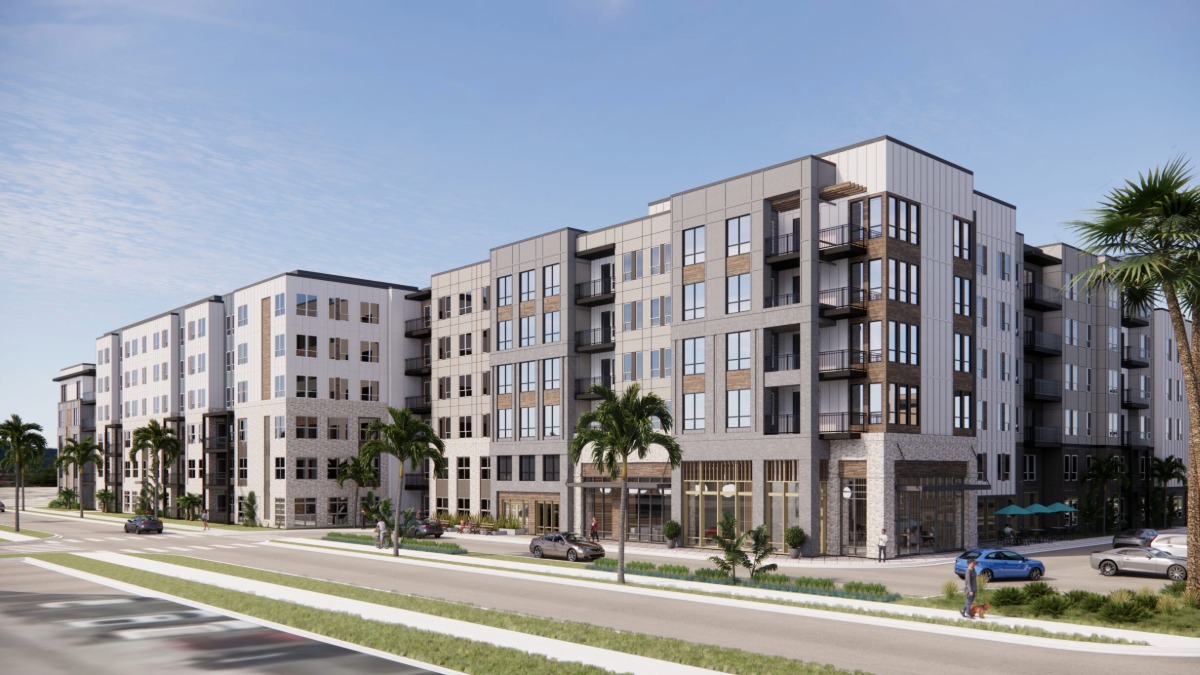
The Mark Tampa Breaks Ground on 800‑Bed Luxury Student Housing Near USF

Landmark Properties has officially begun construction on The Mark Tampa, a six‑story luxury student community featuring over 800 beds, rooftop amenities, study spaces, retail, and modern unit layouts. Set to open before the 2027–2028 school year, the project signals strong investor confidence in North Tampa’s booming student housing market.

Florida’s Insurance Costs Erupt Into a 2026 Election Flashpoint

Florida’s property and auto insurance crisis is intensifying, setting the stage for a major political showdown ahead of the 2026 elections. Republicans argue recent reforms are finally stabilizing the market, while Democrats insist families are being crushed by soaring premiums and can’t wait for relief. With homeowners, condo associations, and insurers all feeling the pressure, lawmakers are preparing for one of the most consequential legislative battles in years.

A December Fed Cut Could Be Coming — But Don’t Expect Mortgage Rates to Drop

Markets are betting heavily on a Federal Reserve rate cut in December, but that doesn’t guarantee lower mortgage rates. Even with an 85% chance of a cut priced in, mortgage rates move more with the 10‑year Treasury than the Fed itself — and recent history shows rates can rise even when the Fed eases. Today’s 6.43% average rate is the lowest in over a year, but still unpredictable, making financial readiness more important than trying to time the market.

Grand Junction’s Commercial Real Estate Market Surges 36% as New Chains Fuel Regional Growth

Grand Junction is experiencing a powerful commercial real estate upswing, with 151 commercial units closed so far in 2025—a 36% jump from last year. Building permits are also up 23%, signaling expanding development momentum. Brokers say interest from national chains is accelerating the city’s evolution, bringing jobs, investment, and long‑term economic potential to Colorado’s Western Slope.

Nashville Ranks #6 in Emerging Trends in Real Estate 2026 Report

Nashville continues its rise as one of the nation’s most attractive real estate markets, landing the #6 spot in the Emerging Trends in Real Estate 2026 report from PwC and ULI. With strong demographic momentum, business expansion, and a development pipeline drawing national eyes, the city stands out amid shifting economic conditions. The report highlights fast‑growing sectors such as data centers, senior housing, and evolving office dynamics—offering real estate professionals valuable insight into where opportunities are emerging next.

CRE This Week: The Key Trends Reshaping Canada’s Commercial Real Estate Market in 2025

Canada’s commercial real estate sector continues to evolve rapidly, with new data revealing major transactions, shifting investment patterns, and emerging economic signals across the country. From resilient retail spending to cooling construction and regional standouts like Montreal and the Prairies, this week’s CRE pulse—powered by Altus Group’s research team—gives real estate, mortgage, and finance professionals a sharp snapshot of the market forces to watch as 2025 winds down.