Housing Market Predictions For 2024: When Will Home Prices Be Affordable Again?

In a climate of fluctuating mortgage rates and shifting economic tides, the housing market remains a focal point of interest for prospective buyers and industry experts alike. As reported by Forbes, the landscape of homeownership is evolving, with mortgage rates finally dipping into a range that offers a glimmer of hope for many eager buyers.

While home prices continue to reach unprecedented heights, the pace of growth is starting to slow, thanks to an increase in inventory and a decrease in demand. This shift is providing buyers with more bargaining power as they engage with sellers. Yet, as the Federal Reserve recently enacted significant interest rate cuts, many potential buyers are choosing to wait on the sidelines, anticipating further reductions that could make homeownership even more attainable.

The S&P CoreLogic Case-Shiller Home Price Index indicates a 5% annual gain, reflecting a deceleration from previous months. However, the index still registers record highs, suggesting that affordability remains a challenge for many. Lisa Sturtevant, chief economist at Bright MLS, posits that the decline in mortgage rates could lead to slower home price growth as inventory rises, although this may only be a temporary respite.

Looking ahead to 2024 and 2025, experts like Ralph McLaughlin from Realtor.com predict a potential rebound in home price growth, fueled by falling mortgage rates and increased buyer purchasing power. The consensus is clear: waiting for further rate drops might leave many would-be homeowners scrambling in a competitive market.

For a sustainable recovery in the housing market, Keith Gumbinger of HSH.com emphasizes the need for a significant increase in home listings to alleviate price pressures. While recent mortgage rate declines have begun to ease inventory constraints, the journey to a balanced market is far from over.

Amidst these dynamics, the National Association of Realtors (NAR) has implemented practice changes following antitrust settlements, aiming to enhance transparency in real estate transactions. These reforms could influence affordability, as buyers may now bear more responsibility for broker commissions.

The question on everyone’s mind is whether the housing market will crash by 2025. Experts like Tom Hutchens of Angel Oak Mortgage Solutions suggest that low housing supply acts as a buffer against a potential downturn. Moreover, homeowners today are in a stronger financial position than during the 2008 crisis, with substantial equity and many owning their homes outright.

As we navigate through the latter part of 2024, the prospect of a foreclosure surge seems unlikely, with foreclosure activities remaining below pre-pandemic levels. The key takeaway for prospective buyers is that the housing market—like any other market—is challenging to time. Orphe Divounguy of Zillow Home Loans advises that the best time to buy is when a home meets one’s needs and budget.

In conclusion, as we move closer to 2025, the housing market presents a complex yet cautiously optimistic outlook. While affordability challenges persist, strategic planning and informed decision-making can pave the way for successful homeownership. For more insights, read the full article on Forbes.

More Articles

Getting licensed or staying ahead in your career can be a journey—but it doesn’t have to be overwhelming. Grab your favorite coffee or tea, take a moment to relax, and browse through our articles. Whether you’re just starting out or renewing your expertise, we’ve got tips, insights, and advice to keep you moving forward. Here’s to your success—one sip and one step at a time!

Florida’s Middle Class Is Being Squeezed Out: Insurance Costs, Rebuilding Struggles, and a Changing Coastline

Fort Myers Beach is becoming the front line of a new Florida—one shaped by hurricane devastation, soaring insurance premiums, and rapid gentrification. Three years after Hurricane Ian, residents are still battling massive rebuilding costs and insurance bills that now exceed $5,700 a year on average, with flood insurance reaching $10,000 for some families. Long-time locals, small businesses, and service workers are being priced out as wealthy investors move in, transforming once-affordable coastal communities. Real estate professionals warn that foreclosures may rise if economic pressures continue, signaling a pivotal moment for Florida’s housing market and the professionals who serve it.

Top 2026 Commercial Real Estate Issues Every Professional Should Watch

Economic uncertainty, AI disruption, slowing population growth, and rising portfolio risk are reshaping commercial real estate heading into 2026. A new report unveiled at NAR NXT highlights the forces that will reward informed professionals — and challenge those who aren’t prepared. From fiscal policy and shifting capital flows to tech transformation and housing shortages, the landscape is evolving fast. Cameron Academy breaks down the key issues so real estate, mortgage, finance, and insurance professionals can stay ahead of the curve.

Federal Climate Funding Pulled, Leaving Billions in Real Estate Risk Exposed

A sudden federal shutdown of FEMA’s BRIC resiliency program has left cities and commercial property owners scrambling, exposing billions in real estate to rising climate threats. With nearly a billion dollars in mitigation funding clawed back and extreme weather intensifying, insurance premiums are expected to surge and coverage may shrink — placing new pressure on markets like Florida and New York.

Florida Lawmakers Push Bill to Limit Local Power Over Housing Approvals

A new Florida Senate bill aims to stop cities and counties from blocking residential developments over vague “compatibility” concerns. Supporters say the measure would speed up homebuilding and ease housing shortages, while opponents argue it strips communities of essential oversight and could accelerate growth without proper planning. The proposal could reshape development timelines and land-use decisions statewide, making it a major issue for real estate professionals to watch.

Cape Coral Housing Market Shifts in Favor of Buyers as Homes Linger 119 Days

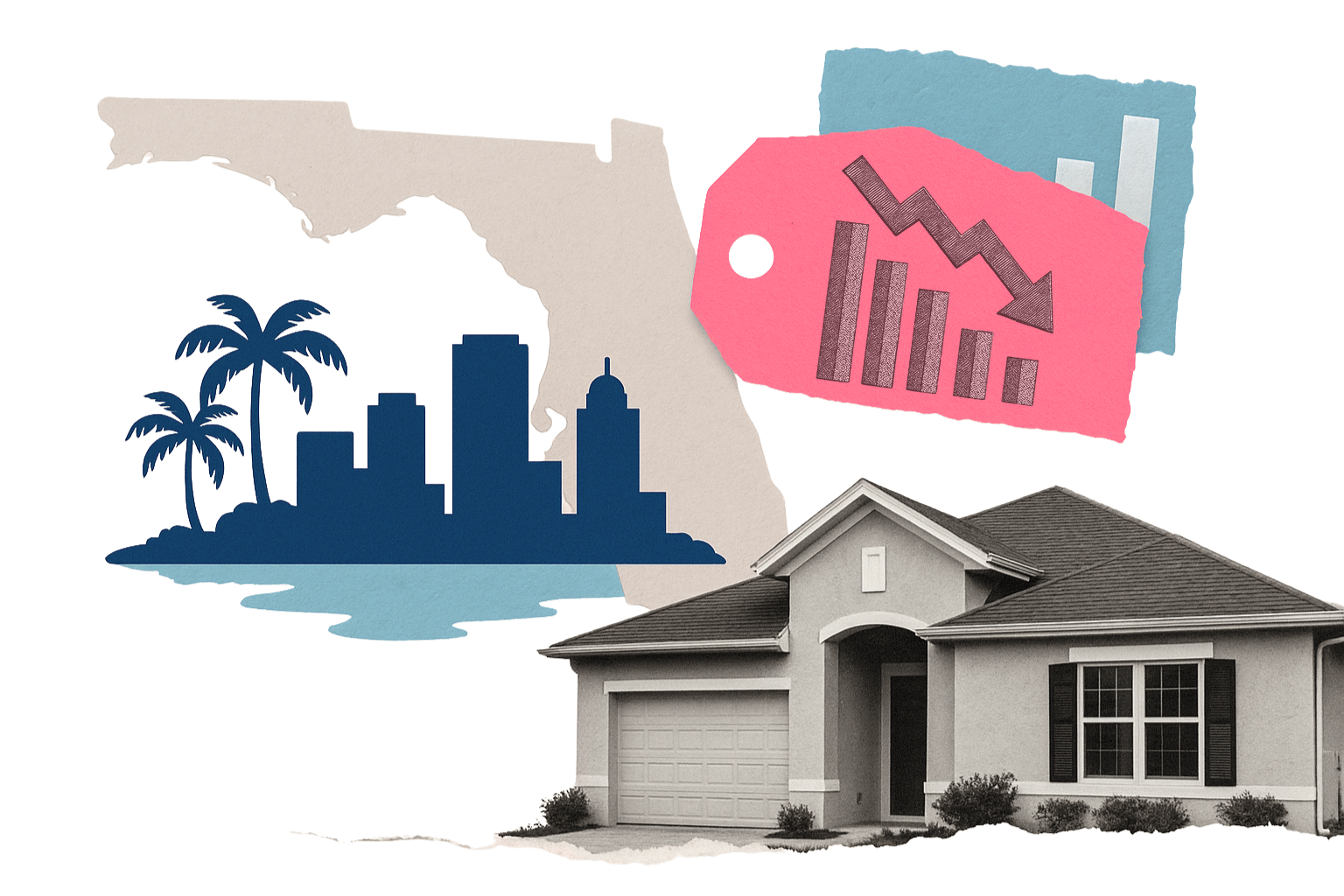
Cape Coral–Fort Myers has officially moved into buyer-friendly territory, with homes now sitting a median 119 days on the market—far longer than both the Florida and U.S. averages. Rising inventory, a 36.9 percent price‑reduction rate, and slower absorption compared to accumulated supply are giving buyers more leverage and time to negotiate, signaling a meaningful reset in this once‑fast‑moving Florida market.

Kansas City’s Commercial Real Estate Market Finds Its Momentum Again

Kansas City’s commercial real estate sector is finally turning a corner after several years of sluggish activity. Retail is leading the rebound, while multifamily and industrial properties are gaining traction as pricing stabilizes and buyer confidence returns. A standout 2025 transaction—the sale of the 380‑unit Cyan Southcreek community—signals that capital is flowing back into the market. With bid‑ask spreads tightening and investor optimism rising, Kansas City is entering a period of renewed opportunity for real estate professionals and investors alike.