Housing market image

Housing Markets in Key U.S. Regions Face Elevated Risk

In a recent analysis by ATTOM, the housing markets of California, New Jersey, and Illinois have been spotlighted for their susceptibility to downturns. Despite a generally robust national market, these states exhibit significant vulnerabilities, particularly in the metropolitan areas of New York City and Chicago.
The Q2 2024 Special Housing Risk Report by ATTOM highlights the intricate landscape of the U.S. housing market, focusing on home affordability, underwater mortgages, foreclosures, and unemployment. This analysis reveals that nearly half of the most at-risk counties are concentrated in the aforementioned states.

Regional Disparities in Housing Market Risks

While the housing market continues to expand, certain regions are showing signs of potential instability. Rob Barber, CEO of ATTOM, notes, “These observations point to uneven levels of risk without signifying imminent red flags or downturns.”
The study evaluated 589 counties, uncovering that almost 50% of the markets most susceptible to decline are in California, New Jersey, and Illinois. These areas have been identified as having significant clusters of risk, particularly in New York City, Chicago, and inland California. Conversely, regions such as Virginia, Wisconsin, and Tennessee are considered less vulnerable.

Key Indicators and Findings

  • Foreclosure risks are significant, with one in every 1,000 properties facing foreclosure in 39 of the most vulnerable counties.
  • High unemployment rates are notably prevalent in central California.
  • Counties like Tangipahoa Parish, LA, and Peoria County, IL, have some of the highest rates of underwater mortgages.
  • Charlotte County, FL, leads in foreclosure actions.

In contrast, many parts of the South and Midwest demonstrate resilience, with lower housing expenses relative to wages and significantly reduced foreclosure and unemployment rates.
For more detailed insights, visit ATTOM’s Data Solutions.

More Articles

Getting licensed or staying ahead in your career can be a journey—but it doesn’t have to be overwhelming. Grab your favorite coffee or tea, take a moment to relax, and browse through our articles. Whether you’re just starting out or renewing your expertise, we’ve got tips, insights, and advice to keep you moving forward. Here’s to your success—one sip and one step at a time!

Unlocking Real Estate Wealth in 2025: Strategies for Success

Step into 2025, where the real estate market emerges as a resilient beacon amidst economic unpredictability. Investors are increasingly drawn to secondary cities like Austin and Manchester, attracted by their growth potential, affordability, and enhanced quality of life.

By |February 18, 2025|Categories: Article, Investment Strategies, Real Estate|Tags: , |0 Comments

AI and Urbanization Drive Home Services Market Growth

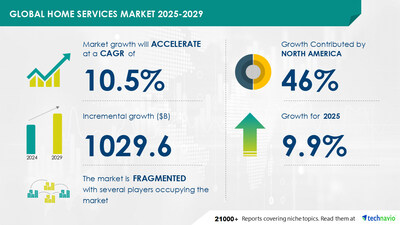
The global home services market is poised for significant growth, with projections indicating an increase of USD 1.03 trillion from 2025 to 2029. This forecasted expansion is attributed to increasing urbanization and the transformative impact of AI on market trends, according to a recent report by Technavio.

Decoding the U.S. Housing Crisis: A Study of Historic Policy Missteps and Demographic Shift

In a revealing study by USC, the roots of the current housing crisis in the United States are traced back to policy missteps and demographic changes that have been unfolding since the early 2000s. The study highlights how these factors have left millennials and people of color disproportionately affected.

Best Real Estate Crowdfunding Platforms for February 2025: Investopedia’s Top Picks

Fundrise stands out for offering investors a chance to diversify their portfolios with real estate exposure through proprietary funds. With a minimum investment as low as $10, it opens doors to beginners and seasoned investors alike.

Top Real Estate Investment Apps of 2025: A Guide for First-Time and Experienced Investors

Business Insider has reviewed a range of platforms available in 2025, focusing on key factors like fees, accessibility for accredited vs. non-accredited investors, and the types of real estate investments offered.