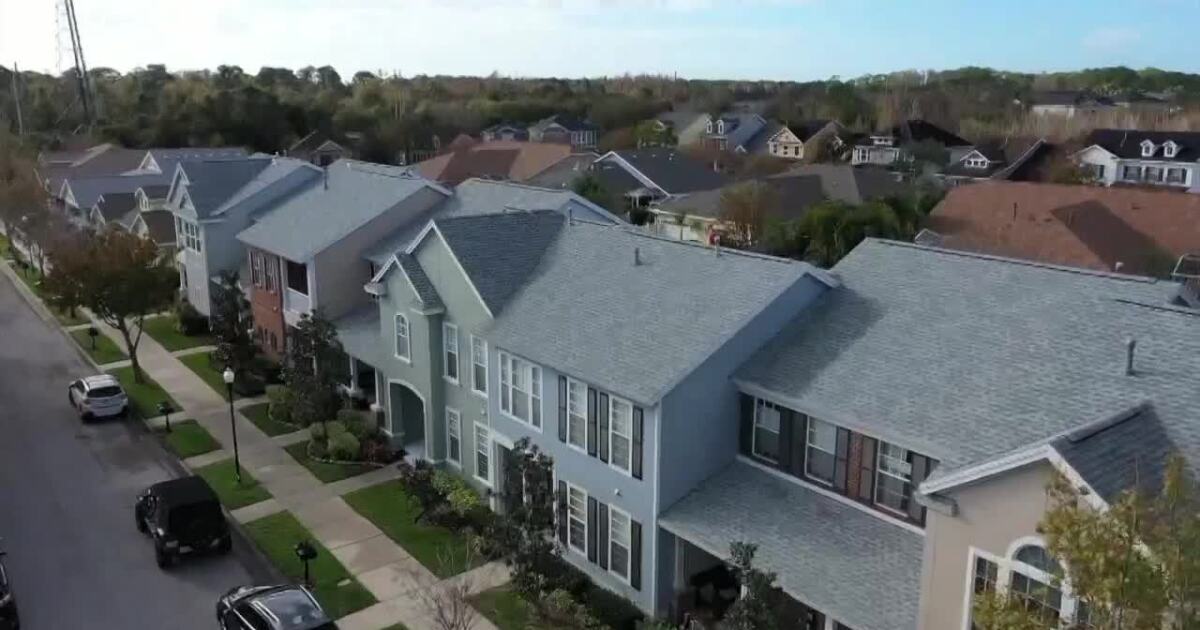
Ever been caught off guard by sudden shifts in the housing market? If you’re a real estate professional, you’d know that the market often moves in unexpected ways. In July, despite mounting headwinds, housing starts made a surprising surge, ticking back up to an annual rate of 1.452 million, as reported by the U.S. Census Bureau. A remarkable resilience, wouldn’t you agree?
But what does this mean for professionals navigating the market trends? And how does this connect to the broader context of the real estate sector? At Cameron Academy, we believe in providing professionals with comprehensive insights into such developments, equipping them with knowledge that not only keeps them informed but also gives them a competitive edge.
Let’s delve deeper into this intriguing upward trend in housing starts, its implications, and the challenges that persist.
Decision Made on Outline: For the introduction, I decided to use “Story-Driven Hook” to engage the readers and make a connection with their experiences. I also used “Educational Topic Introduction” to introduce the topic and its relevance to the services offered by Cameron Academy. I kept SEO and marketing considerations in mind while creating this introduction.
Picture this: you’re an investor or a professional in real estate, and you’re keenly observing the market trends. The U.S. Census Bureau reports a surprising 3.9% increase in housing starts in July from June and a 5.9% increase from the previous year. That’s a significant pick-up, right?
Despite an unexpected slump the previous month, the housing starts beat the odds. In fact, the single-family housing starts for July were reported at a rate of 983,000, a 6.7% rise from the revised June figure of 921,000. This is indeed a testament to the market’s resilience amidst the headwinds.
But here’s where it gets interesting. While the July housing statistics showed a promising trend, permits for future construction showed only a marginal gain of 0.1% from June and were even 13% lower than a year ago. This disparity suggests that while the housing starts have picked up, there could be potential challenges on the horizon.
These challenges aren’t surprising. In fact, economists have pointed out that housing starts have been down for 13 of the last 15 months on a year-to-year basis. So, while we celebrate the surge, we must also keep an eye on the hurdles that persist in the market.
Now, here’s the silver lining. Despite the affordability challenges and other housing market challenges, homebuyers remain eager to invest. Developers and construction companies have been navigating the affordability challenge and have been building smaller homes at more approachable prices. This is a crucial strategy to keep the real estate market moving forward.
Understanding these nuances is key for any professional operating in the real estate industry. But why struggle alone when you can arm yourself with expert insights and comprehensive knowledge? At Cameron Academy, we’re dedicated to providing professionals with up-to-date, comprehensive data and insights to navigate the market trends effectively. We believe in equipping our learners with the knowledge that not only keeps them informed but also gives them a competitive edge.
In conclusion, the unexpected surge of housing starts in July draws a promising yet vigilant picture of the housing market. Simultaneously, it reminds every aspirant or professional related to the industry about its unpredictable dynamics, making comprehensive understanding and instinctive adaptability key factors.
Strategic, mindful moves are needed while navigating through this knotted labyrinth of perceptions and ground realities. Crucially, the avid spirit of the buyers, the problem-solving capability of developers, and the constant mapping together weave a fascinating landscape for professionals to explore and own. While hurdles persist, understanding the shifting market and adapting strategies accordingly becomes our strongest survival trick.
It’s these invigorating make-or-break moments and the tides of uncertainties & certainties that forge seasoned pros. At Cameron Academy, we dedicate ourselves to equipping learners with the comprehensive market knowledge, insights, and training needed to thrive in their respective professions. Our expansive roster of educators, industry-relevant curriculum, and impactful training can nurture endowing inspiration, instigate thought, and bolster an aspirant’s or a professional’s market-sail.
Embrace the unplanned journey with Cameron Academy, and graze the gradients. Rain or shine, our experts promise a summer that stays laminar than stormy!