How AI and Augmented Reality Are Reshaping Luxury Real Estate
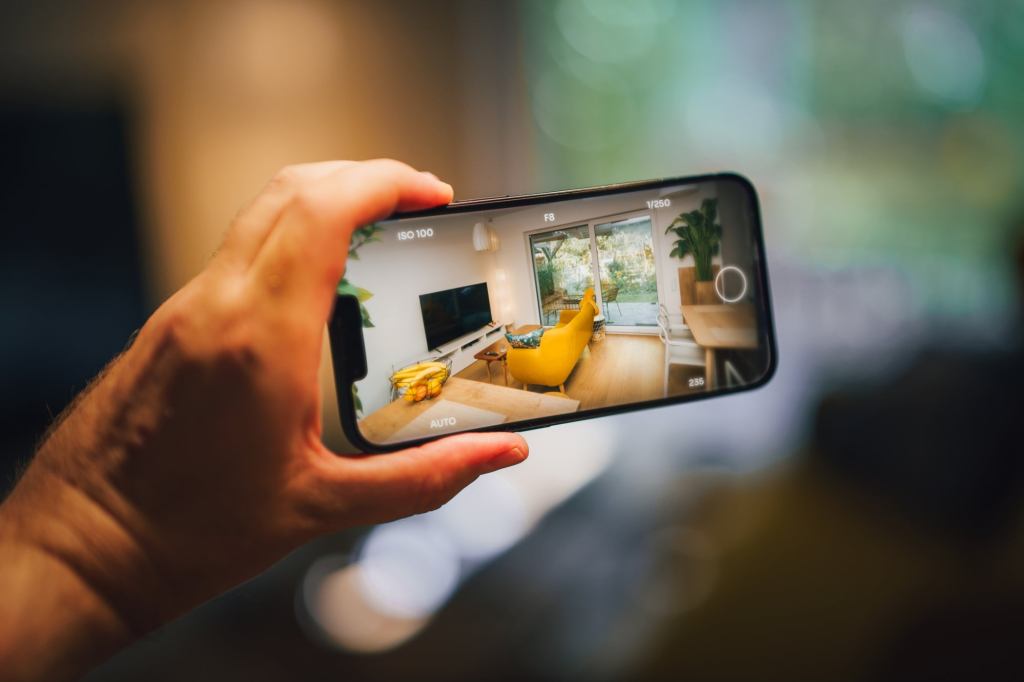
Luxury real estate is undergoing a transformation unlike anything the industry has experienced before. The days of relying exclusively on personal networks and handshakes are giving way to a high-tech era powered by artificial intelligence, augmented reality and immersive data-driven experiences. And according to Entrepreneur, this shift is fueling more than $1 billion in sales for forward‑thinking firms.
Why AI Is Becoming the New Competitive Edge
In premium markets, the winners aren’t the ones who shout loudest — they’re the ones who see opportunity first. AI-driven insights now allow luxury brokers to identify properties likely to hit the market months ahead, helping them reach high‑value sellers before the competition even knows they exist.
One standout example is America One Luxury Real Estate, where predictive AI tools and cinematic digital media helped propel the company past the $1 billion sales mark. Their custom Equity Propensity Model can anticipate which homes will list within twelve months — a monumental advantage in a market where early access defines success.
A New Era of Immersive Buying
Modern luxury buyers want to experience a property long before they step foot inside. With 77% of high-end clients requesting virtual tours before touring in person, top-tier agents are embracing AR walkthroughs, digital staging and lifestyle simulations that vividly show how a property feels, lives and moves.
This isn’t tech for spectacle — it’s clarity. The more vivid the experience, the faster trust forms.
Try It Yourself: Imagine a buyer standing in their living room, pointing a smartphone toward a blank wall and instantly seeing a fully furnished luxury condo from Paradise Valley materialize in perfect scale. That future is already here — and accelerating.
The Shift From Persuasion to Alignment
Affluent clients aren’t searching for hype — they want precision and purpose. They want data-backed storytelling that clarifies how a property aligns with their identity, lifestyle and long‑term investment strategy. Today’s top luxury agents merge analytics with emotional intelligence to craft narratives that resonate on a deeper level.
Local Expertise, Global Reach
Leading luxury firms are scaling globally through curated partnerships and brand ecosystems. This hybrid approach blends local knowledge with global opportunity — allowing firms to expand influence without sacrificing authenticity.
What Today’s Real Estate Pros Should Do Next
- Design for decision-making, not discovery. Immersive experiences shorten the buyer’s clarity curve.
- Leverage AI for early insights. The advantage lies not in automation, but in anticipation.
- Craft identity-aligned narratives. Luxury clients value relevance over volume.
- Prioritize depth before reach. Mastery and expertise come before expansion.
A Moment of Opportunity
The rise of AI, AR and predictive intelligence is reshaping not only luxury real estate transactions, but also the professional landscape itself. Whether you’re in real estate, mortgage, insurance, finance or another specialized field, staying current with evolving technology is essential for long‑term success.
That’s where education leaders like Cameron Academy come in. From aspiring agents seeking licensure to established professionals expanding their credentials, the right training empowers you to stay competitive in a fast‑changing economy.
The firms thriving today aren’t clinging to outdated traditions — they’re embracing intelligent systems that enhance human expertise. The future belongs to those who can anticipate what’s coming next, and thanks to new technology, that future has never been clearer.