How AI and Augmented Reality Are Reshaping Luxury Real Estate
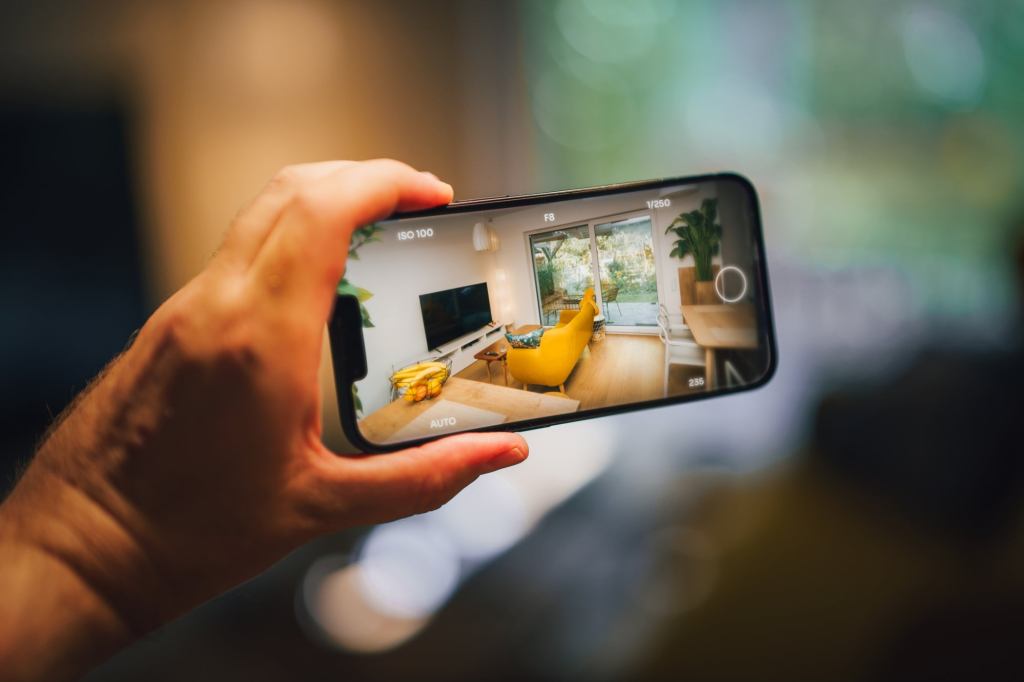
Luxury home living room with smartphone ar overlay

Luxury real estate is undergoing a transformation unlike anything the industry has experienced before. The days of relying exclusively on personal networks and handshakes are giving way to a high-tech era powered by artificial intelligence, augmented reality and immersive data-driven experiences. And according to Entrepreneur, this shift is fueling more than $1 billion in sales for forward‑thinking firms.

Why AI Is Becoming the New Competitive Edge

In premium markets, the winners aren’t the ones who shout loudest — they’re the ones who see opportunity first. AI-driven insights now allow luxury brokers to identify properties likely to hit the market months ahead, helping them reach high‑value sellers before the competition even knows they exist.

One standout example is America One Luxury Real Estate, where predictive AI tools and cinematic digital media helped propel the company past the $1 billion sales mark. Their custom Equity Propensity Model can anticipate which homes will list within twelve months — a monumental advantage in a market where early access defines success.

A New Era of Immersive Buying

Modern luxury buyers want to experience a property long before they step foot inside. With 77% of high-end clients requesting virtual tours before touring in person, top-tier agents are embracing AR walkthroughs, digital staging and lifestyle simulations that vividly show how a property feels, lives and moves.

This isn’t tech for spectacle — it’s clarity. The more vivid the experience, the faster trust forms.

Try It Yourself: Imagine a buyer standing in their living room, pointing a smartphone toward a blank wall and instantly seeing a fully furnished luxury condo from Paradise Valley materialize in perfect scale. That future is already here — and accelerating.

The Shift From Persuasion to Alignment

Affluent clients aren’t searching for hype — they want precision and purpose. They want data-backed storytelling that clarifies how a property aligns with their identity, lifestyle and long‑term investment strategy. Today’s top luxury agents merge analytics with emotional intelligence to craft narratives that resonate on a deeper level.

Local Expertise, Global Reach

Leading luxury firms are scaling globally through curated partnerships and brand ecosystems. This hybrid approach blends local knowledge with global opportunity — allowing firms to expand influence without sacrificing authenticity.

What Today’s Real Estate Pros Should Do Next

  • Design for decision-making, not discovery. Immersive experiences shorten the buyer’s clarity curve.
  • Leverage AI for early insights. The advantage lies not in automation, but in anticipation.
  • Craft identity-aligned narratives. Luxury clients value relevance over volume.
  • Prioritize depth before reach. Mastery and expertise come before expansion.

A Moment of Opportunity

The rise of AI, AR and predictive intelligence is reshaping not only luxury real estate transactions, but also the professional landscape itself. Whether you’re in real estate, mortgage, insurance, finance or another specialized field, staying current with evolving technology is essential for long‑term success.

That’s where education leaders like Cameron Academy come in. From aspiring agents seeking licensure to established professionals expanding their credentials, the right training empowers you to stay competitive in a fast‑changing economy.

The firms thriving today aren’t clinging to outdated traditions — they’re embracing intelligent systems that enhance human expertise. The future belongs to those who can anticipate what’s coming next, and thanks to new technology, that future has never been clearer.


More Articles

Getting licensed or staying ahead in your career can be a journey—but it doesn’t have to be overwhelming. Grab your favorite coffee or tea, take a moment to relax, and browse through our articles. Whether you’re just starting out or renewing your expertise, we’ve got tips, insights, and advice to keep you moving forward. Here’s to your success—one sip and one step at a time!

Malware Trends 2025: The New Era of Subscription‑Based Cybercrime

Cybercrime in 2025 has evolved into a full‑scale service economy, with malware now available through subscription platforms that operate like mainstream tech businesses. Bitsight’s latest analysis reveals explosive growth in Malware‑as‑a‑Service tools, rising attacks across industries like healthcare, finance, tech, and real estate, and a surge in cross‑platform malware and supply‑chain exploits. For professionals in any licensed field, the message is clear: today’s digital landscape demands heightened vigilance, stronger identity security, and proactive defense against an increasingly organized underground threat environment.

The Proptech Revolution: How Gllit Is Making Real Estate Transactions as Simple as Booking a Flight

A new proptech startup in the UAE, Gllit is redefining how property deals happen by removing agents, eliminating commissions, and integrating AI tools that let users create professional listings in seconds. With a fast, transparent, and direct-to-owner model, Gllit offers a glimpse into the future of global real estate — and a powerful case study for U.S. professionals preparing for tech-driven changes in the industry.

2026 Housing Market Outlook: What Buyers, Renters, and Agents Need to Know

The 2026 housing market is shaping up to be a year of stability with a few surprises. Mortgage rates are expected to hold steady, home price growth is slowing, and yet ownership costs continue to rise due to soaring taxes and insurance. Meanwhile, renting is becoming more attractive as affordability improves and built‑to‑rent communities expand. This breakdown highlights the biggest trends ahead — and what they mean for buyers, sellers, and real estate professionals, especially in Florida.

Florida Homeowners Slammed by Soaring Insurance Costs as Lawmakers Push for Major Reform

Florida homeowners are facing some of the highest insurance premiums in the nation, with average costs now topping $5,800 per year—about $3,000 above the U.S. average. Many residents report their rates have doubled or even tripled, while more than 40 percent of claims are closed with no payment. As frustration grows, state lawmakers and consumer advocates are pushing for transparency, rate caps, and incentives to help storm‑proof homes. The outcome of these reform efforts could reshape Florida’s real estate market, insurance landscape, and affordability for years to come.

Are Insurance Leaders Stuck in Silos? New Global Study Exposes a Hidden Weakness in Decision‑Making

A new global study from Risk.net and SAS reveals that many insurance companies are still making key decisions in isolated silos, despite industry-wide pushes toward data-driven strategies. While most leaders claim to have a clear vision, 38 percent admit they lack a real-time view of risks, revenue and costs. With poor data quality, limited collaboration and outdated processes holding teams back, experts say the industry is poised for a major transformation through AI, analytics and unified strategy—offering lessons for professionals across insurance, real estate, finance and other regulated fields.

Atlanta Housing Market Outlook 2025–2026: Stability, Rising Inventory, and What It Means for You

Atlanta’s housing market is shifting into a more balanced and predictable phase. Prices have leveled off, inventory has finally caught up, and mortgage rates are easing enough to bring buyers back into the game. With steady demand, growing listings, and only mild price corrections forecasted into 2026, Atlanta remains one of the Southeast’s strongest real estate markets for buyers, sellers, and investors alike.