How AI Is Pushing Real Estate to Finally Fix Its Data Problem
Artificial intelligence has been hailed as real estate’s next great accelerator —
but there’s a catch. AI requires structured, connected, and consistently defined data to operate effectively.
And while industries like finance and e‑commerce have spent years building uniform digital frameworks, real estate has largely remained fragmented, outdated, and siloed.
Now, as owners, brokers, and technology firms rush to adopt AI tools, many are discovering an uncomfortable truth:
AI isn’t the bottleneck — the industry’s messy data is.
Every portfolio, broker, municipality, and software platform labels information differently.
One lease abstract may look nothing like another. Public records vary county to county.
Property attributes shift in meaning depending on the system storing them.
The result is a digital patchwork that AI models struggle to interpret at scale.
Richard Reyes, CEO and Executive Director of OSCRE, explains it clearly:
“You need an ontology to make it easier for people to get information and integrate it with AI. You need to have a shared learning model as well as shared data.”
The Shift Toward Shared Standards
Historically, real estate players treated their data like a competitive advantage — tightly guarded and rarely shared.
But AI has flipped that mindset. Companies now recognize that standardized, interoperable data is far more valuable than isolated proprietary information.
The more aligned the data environment becomes, the more powerful AI tools can be.
This is pushing owners, service providers, and tech vendors toward collaboration around shared models and consistent definitions.
OSCRE’s “Smart Data Highway” and the New Data Model
OSCRE is leading the charge with an Industry Data Model designed to modernize how real estate defines, organizes, and connects information.
Reyes describes it as moving beyond static definitions toward dynamic interoperability — a “smart data highway” that allows systems to understand not only fields, but their relationships.
Imagine a world where “base rent,” “rent,” and “contracted rent” never require manual mapping again.
AI platforms could instantly interpret those terms using a shared framework, eliminating costly integrations and constant reconfigurations.
Why This Matters for the Future of AI in Real Estate
Standardized data unlocks faster underwriting, more accurate forecasting, scalable predictive maintenance, cross‑market benchmarking, and seamless proptech integrations.
It also significantly reduces costs: firms currently spend enormous sums on custom data bridges between platforms.
A unified industry model frees teams to focus on insights instead of infrastructure.
That shift is transformative — both operationally and strategically.
The Industry Is Finally Moving Together
AI is often framed as a competitive advantage for individual companies.
However, its biggest impact may be collective: pushing the entire industry toward shared standards, structured data, and collaborative evolution.
And as technology reshapes the profession, modern real estate education must evolve with it.
At Cameron Academy, we prepare new and seasoned professionals to thrive in a world where data literacy and tech‑forward practices are becoming essential — not optional.
If current trends continue, the real breakthrough won’t be smarter buildings or automated underwriting.
It will be an industry finally speaking the same digital language so AI — and the professionals who use it — can operate at their full potential.
More Articles
Getting licensed or staying ahead in your career can be a journey—but it doesn’t have to be overwhelming. Grab your favorite coffee or tea, take a moment to relax, and browse through our articles. Whether you’re just starting out or renewing your expertise, we’ve got tips, insights, and advice to keep you moving forward. Here’s to your success—one sip and one step at a time!
In the fast-evolving world of insurance, a transformative shift is underway, driven by the development of customer-centric ecosystems. As highlighted in a comprehensive study by EY, insurance ecosystems are reshaping the industry by focusing on customer engagement, trust, and operational excellence.
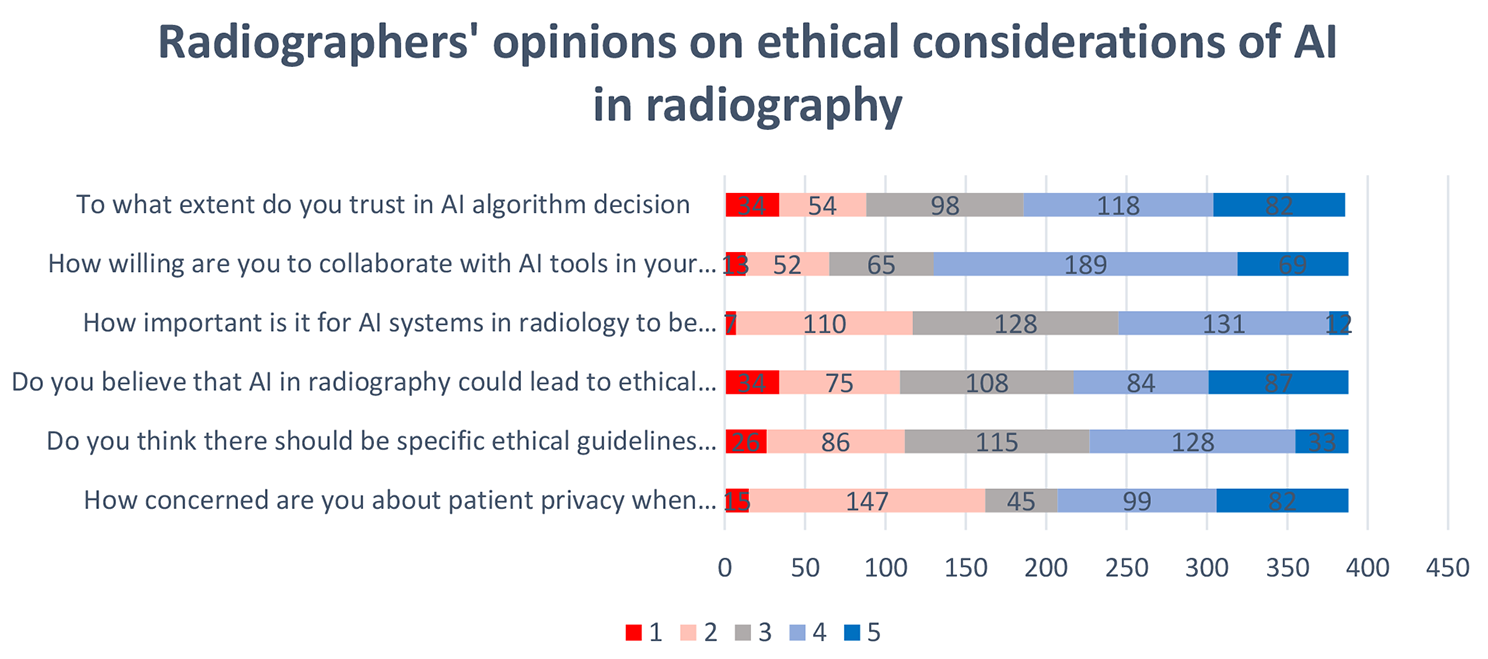
The integration of artificial intelligence in radiography brings a host of ethical challenges that demand careful consideration. A recent study highlights the diverse perspectives of radiographers, revealing significant knowledge gaps and varying trust levels in AI-driven decisions. Concerns over patient privacy and the need for dedicated ethical guidelines are pivotal as healthcare embraces AI.
AI tools are already delivering significant value and are poised to further transform healthcare. Embracing these changes today will position organizations and individuals to capture the long-term benefits of a more effective, efficient, and personalized healthcare system.
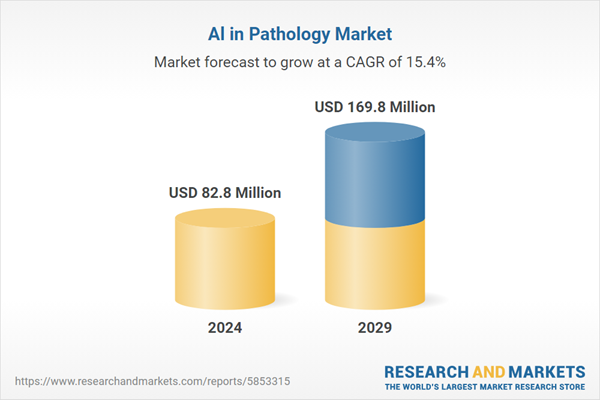
AI in pathology is revolutionizing the field by enhancing the analysis of clinical data, genomic information, and disease progression. These advancements are not only streamlining personalized treatment plans but also optimizing healthcare resource allocation.
In an era where data reigns supreme, the integration of artificial intelligence (AI) and machine learning (ML) into the realm of precision medicine is not just a possibility but a burgeoning reality.