How AI Is Pushing Real Estate to Finally Fix Its Data Problem
Artificial intelligence has been hailed as real estate’s next great accelerator —
but there’s a catch. AI requires structured, connected, and consistently defined data to operate effectively.
And while industries like finance and e‑commerce have spent years building uniform digital frameworks, real estate has largely remained fragmented, outdated, and siloed.
Now, as owners, brokers, and technology firms rush to adopt AI tools, many are discovering an uncomfortable truth:
AI isn’t the bottleneck — the industry’s messy data is.
Every portfolio, broker, municipality, and software platform labels information differently.
One lease abstract may look nothing like another. Public records vary county to county.
Property attributes shift in meaning depending on the system storing them.
The result is a digital patchwork that AI models struggle to interpret at scale.
Richard Reyes, CEO and Executive Director of OSCRE, explains it clearly:
“You need an ontology to make it easier for people to get information and integrate it with AI. You need to have a shared learning model as well as shared data.”
The Shift Toward Shared Standards
Historically, real estate players treated their data like a competitive advantage — tightly guarded and rarely shared.
But AI has flipped that mindset. Companies now recognize that standardized, interoperable data is far more valuable than isolated proprietary information.
The more aligned the data environment becomes, the more powerful AI tools can be.
This is pushing owners, service providers, and tech vendors toward collaboration around shared models and consistent definitions.
OSCRE’s “Smart Data Highway” and the New Data Model
OSCRE is leading the charge with an Industry Data Model designed to modernize how real estate defines, organizes, and connects information.
Reyes describes it as moving beyond static definitions toward dynamic interoperability — a “smart data highway” that allows systems to understand not only fields, but their relationships.
Imagine a world where “base rent,” “rent,” and “contracted rent” never require manual mapping again.
AI platforms could instantly interpret those terms using a shared framework, eliminating costly integrations and constant reconfigurations.
Why This Matters for the Future of AI in Real Estate
Standardized data unlocks faster underwriting, more accurate forecasting, scalable predictive maintenance, cross‑market benchmarking, and seamless proptech integrations.
It also significantly reduces costs: firms currently spend enormous sums on custom data bridges between platforms.
A unified industry model frees teams to focus on insights instead of infrastructure.
That shift is transformative — both operationally and strategically.
The Industry Is Finally Moving Together
AI is often framed as a competitive advantage for individual companies.
However, its biggest impact may be collective: pushing the entire industry toward shared standards, structured data, and collaborative evolution.
And as technology reshapes the profession, modern real estate education must evolve with it.
At Cameron Academy, we prepare new and seasoned professionals to thrive in a world where data literacy and tech‑forward practices are becoming essential — not optional.
If current trends continue, the real breakthrough won’t be smarter buildings or automated underwriting.
It will be an industry finally speaking the same digital language so AI — and the professionals who use it — can operate at their full potential.
More Articles
Getting licensed or staying ahead in your career can be a journey—but it doesn’t have to be overwhelming. Grab your favorite coffee or tea, take a moment to relax, and browse through our articles. Whether you’re just starting out or renewing your expertise, we’ve got tips, insights, and advice to keep you moving forward. Here’s to your success—one sip and one step at a time!
The title insurance industry is entering 2026 with a renewed focus on technology, operational efficiency, and stronger agent support after years of volatility. Leaders from major underwriters report rising transaction activity, improved affordability, and a surge in automation and fraud‑prevention tools—signs that smarter systems and better training will define the next wave of growth.
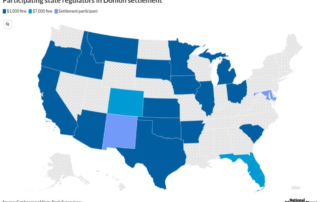
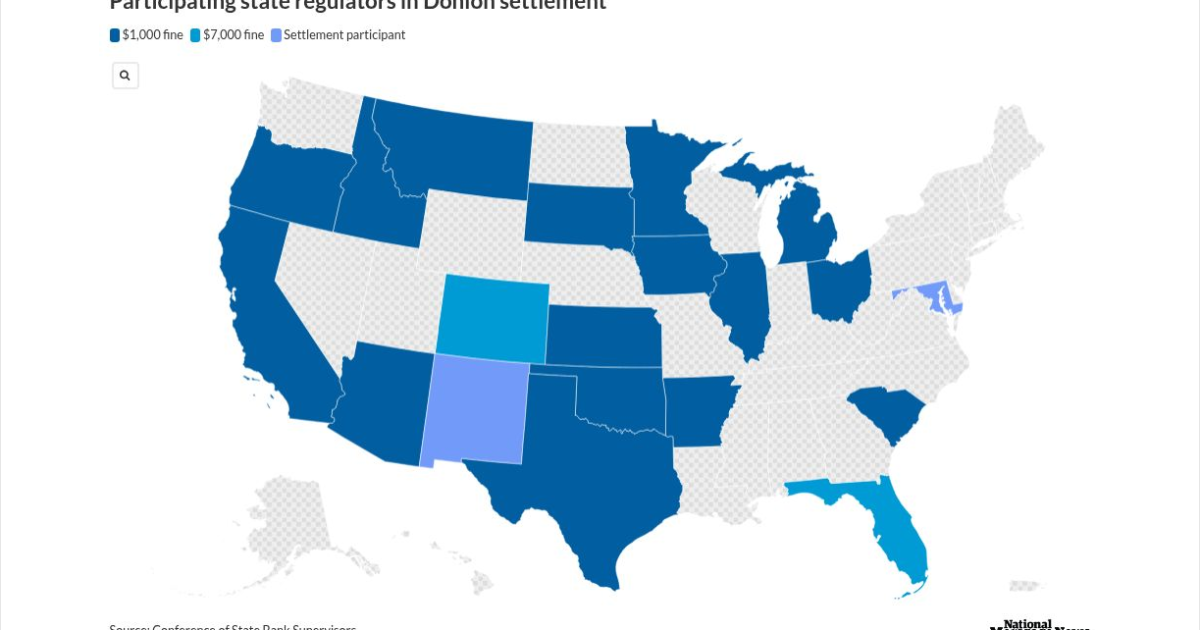
A multistate crackdown has sent shockwaves through the mortgage industry as Patrick Terrance Donlon, CEO of Trusted American Mortgage, accepted a sweeping settlement that bans him from working as a mortgage loan originator in 21 states—19 of them permanently. Regulators say Donlon had another individual complete his mandatory licensing and continuing‑education courses, a violation that triggered a coordinated investigation and a $31,000 penalty. The case underscores regulators’ growing intolerance for education fraud and serves as a sharp reminder to industry professionals: cutting corners on licensing can end careers.
Florida’s once‑booming housing market is cooling fast as rising insurance premiums, increasing foreclosures, and expanding flood zones push buyers to back out of deals and force sellers to cut prices. With insurance now adding thousands to annual housing costs, professionals across real estate, mortgage, and insurance are navigating a dramatically shifting landscape that’s redefining affordability in the Sunshine State.
Florida begins 2026 with a wave of more than 250 new laws now in effect, impacting healthcare, insurance, real estate, and consumer protections statewide. From free breast cancer screenings for state employees to tighter pet insurance regulations, mandatory healthcare refund rules, enhanced animal‑cruelty penalties, and new condo‑management requirements, these updates carry major implications for professionals navigating Florida’s evolving regulatory landscape.
Florida’s barrier islands may offer postcard-perfect beaches and soaring real estate demand, but they’re also some of the most fragile and costly places to build in the United States. With 765,000 residents living on land that shifts, sinks, and takes the brunt of every major hurricane, the financial and insurance risks are accelerating fast. From billion‑dollar beach rebuilds to towers settling into the sand, today’s coastal development challenges are reshaping conversations around property values, disclosure, and long‑term resilience. For real estate professionals, understanding these risks isn’t just smart — it’s becoming essential.
A Cedar City development is turning heads with its fresh approach to affordability. The team behind Temple View Commons is delivering luxury‑inspired twin homes at prices below the local median by using a small, hands‑on staff and cutting traditional costs like realtor commissions. In a tight Utah housing market where inventory is scarce and prices remain high, their strategy offers a realistic path to homeownership without sacrificing high‑end finishes.


 Title Insurance Leaders Double Down on Tech and Efficiency to Drive 2026 Market Momentum Gallery