How AI Is Pushing Real Estate to Finally Fix Its Data Problem
Artificial intelligence has been hailed as real estate’s next great accelerator —
but there’s a catch. AI requires structured, connected, and consistently defined data to operate effectively.
And while industries like finance and e‑commerce have spent years building uniform digital frameworks, real estate has largely remained fragmented, outdated, and siloed.
Now, as owners, brokers, and technology firms rush to adopt AI tools, many are discovering an uncomfortable truth:
AI isn’t the bottleneck — the industry’s messy data is.
Every portfolio, broker, municipality, and software platform labels information differently.
One lease abstract may look nothing like another. Public records vary county to county.
Property attributes shift in meaning depending on the system storing them.
The result is a digital patchwork that AI models struggle to interpret at scale.
Richard Reyes, CEO and Executive Director of OSCRE, explains it clearly:
“You need an ontology to make it easier for people to get information and integrate it with AI. You need to have a shared learning model as well as shared data.”
The Shift Toward Shared Standards
Historically, real estate players treated their data like a competitive advantage — tightly guarded and rarely shared.
But AI has flipped that mindset. Companies now recognize that standardized, interoperable data is far more valuable than isolated proprietary information.
The more aligned the data environment becomes, the more powerful AI tools can be.
This is pushing owners, service providers, and tech vendors toward collaboration around shared models and consistent definitions.
OSCRE’s “Smart Data Highway” and the New Data Model
OSCRE is leading the charge with an Industry Data Model designed to modernize how real estate defines, organizes, and connects information.
Reyes describes it as moving beyond static definitions toward dynamic interoperability — a “smart data highway” that allows systems to understand not only fields, but their relationships.
Imagine a world where “base rent,” “rent,” and “contracted rent” never require manual mapping again.
AI platforms could instantly interpret those terms using a shared framework, eliminating costly integrations and constant reconfigurations.
Why This Matters for the Future of AI in Real Estate
Standardized data unlocks faster underwriting, more accurate forecasting, scalable predictive maintenance, cross‑market benchmarking, and seamless proptech integrations.
It also significantly reduces costs: firms currently spend enormous sums on custom data bridges between platforms.
A unified industry model frees teams to focus on insights instead of infrastructure.
That shift is transformative — both operationally and strategically.
The Industry Is Finally Moving Together
AI is often framed as a competitive advantage for individual companies.
However, its biggest impact may be collective: pushing the entire industry toward shared standards, structured data, and collaborative evolution.
And as technology reshapes the profession, modern real estate education must evolve with it.
At Cameron Academy, we prepare new and seasoned professionals to thrive in a world where data literacy and tech‑forward practices are becoming essential — not optional.
If current trends continue, the real breakthrough won’t be smarter buildings or automated underwriting.
It will be an industry finally speaking the same digital language so AI — and the professionals who use it — can operate at their full potential.
More Articles
Getting licensed or staying ahead in your career can be a journey—but it doesn’t have to be overwhelming. Grab your favorite coffee or tea, take a moment to relax, and browse through our articles. Whether you’re just starting out or renewing your expertise, we’ve got tips, insights, and advice to keep you moving forward. Here’s to your success—one sip and one step at a time!
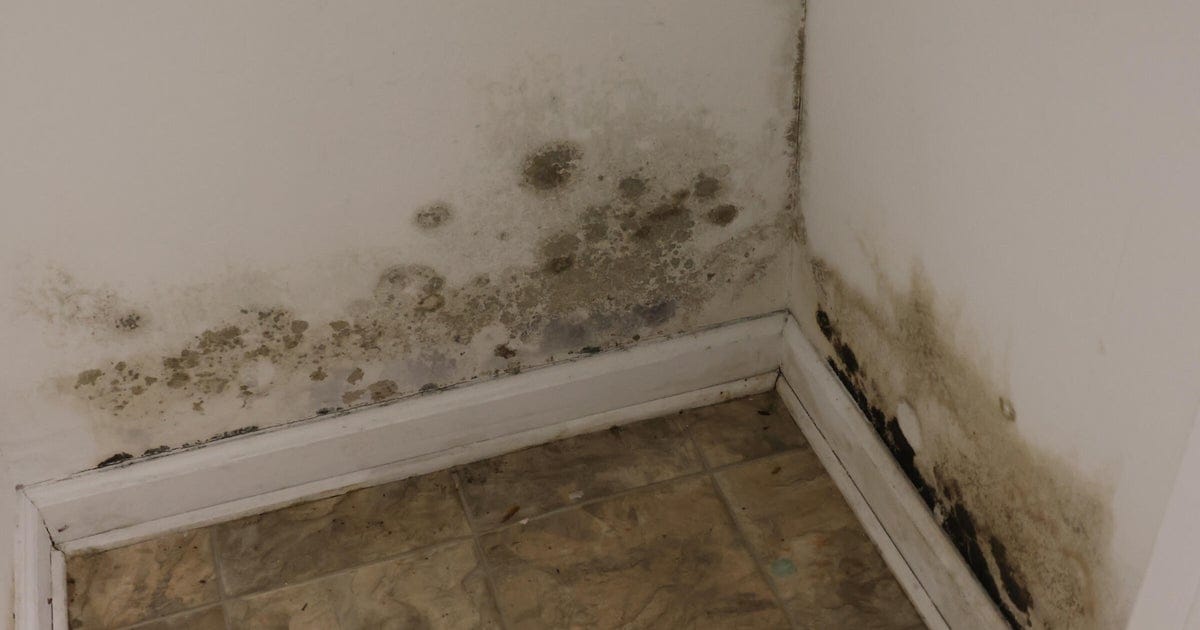
Extreme storms are triggering a surge in hidden mold growth across nearly half of U.S. homes, creating a growing health and financial emergency for families and real estate professionals. From rapid post‑storm mold development to soaring remediation costs, this silent threat is reshaping property safety, insurance challenges, and the future of housing in high‑risk regions.
A Florida consumer has filed a class action accusing Rocket Mortgage of repeatedly calling her even after confirming her opt‑out request, marking the company’s 56th TCPA‑related lawsuit. The complaint claims Rocket continued outreach for nearly three weeks—despite a STOP confirmation—and could impact more than 10,000 consumers nationwide.
Mortgage rates rose for the third straight week, reaching their highest level in a month and triggering a 5.2% drop in overall mortgage applications. Refinance activity slid 7%, purchase demand dipped 2%, and analysts say uncertainty in the bond market is keeping rates on a choppy path. Despite the pullback, today’s loan activity still sits well above last year’s lows, signaling that buyers remain active—but increasingly cautious.
Florida has approved a 6.9% reduction in workers’ compensation insurance rates for 2026, marking the ninth straight year of decreases. The cut, signed by Insurance Commissioner Mike Yaworsky, takes effect January 1 and lowers costs for all new and renewal policies. State officials say the trend reflects improved workplace safety and will help businesses reduce expenses and support growth across industries including real estate, construction, and property management.
Mortgage rates are dipping, inventory is soaring, and—for the first time in years—buyers have real leverage. While home prices remain at record highs and the economy feels unpredictable, rising inventory and cooling rates are creating rare opportunities for financially ready buyers. If you’ve been waiting for the market to open a door, this may be your moment to step through.
Miami developers are pitching 'safe spaces' for millionaires amid fears of a political shift in New York City. Concerns over higher taxes and crime are prompting some New Yorkers to consider relocating south.