How AI Is Quietly Rewriting the Future of Real Estate

Ai reshaping real estate industry

Artificial intelligence has officially evolved from buzzy tech jargon into a true industry powerhouse — especially in real estate. Whether you’re a seasoned broker, a rising agent, or a multi‑licensed professional exploring how AI is transforming regulated industries, this shift is something you can’t afford to ignore.

According to a feature published by Built In, AI is now responsible for massive breakthroughs in accuracy, speed and personalization across the real estate world. From ultra‑accurate valuations to automated lead systems and intelligent client-matching tools, AI is reshaping the workflow of nearly every modern professional.

Source Spotlight: Explore the full Built In feature at BuiltIn.com to see the companies engineering the future.

The AI Movement Sweeping Real Estate

Here are the standout innovators spotlighted by Built In — each rewriting a different part of the industry:

Zillow

Zillow’s neural‑network “Zestimate” interprets listing photos to refine home values, boasting a national median error rate of just 2.4%.

Realtor.com

Its AI‑backed listing analysis produces highly qualified leads and optimizes search experiences for millions of buyers.

Redfin

Redfin’s AI recommendation engine often predicts what users want to click on better than their own search filters.

Trulia

The platform learns user behavior to deliver deeply personalized home suggestions tailored to taste and browsing patterns.

Findigs

AI‑screened rental applications help property managers approve applicants faster and with greater accuracy.

Luxury Presence

Agents benefit from AI‑powered SEO and content tools that adjust in real time to shifting search trends.

Opendoor

Combining human expertise with AI insights, Opendoor delivers dynamic valuations and precise pricing recommendations.

Cotality (formerly CoreLogic)

AI matching helps connect buyers to ideal homes while simultaneously automating mortgage origination checks.

Quantarium

Its deep-learning AVM has examined more than 153 million property parcels, supporting large-scale valuation needs.

Lessen

A conversational AI assistant streamlines property maintenance and operational workflows.

Crexi

Commercial agents rely on Crexi’s AI tools to generate polished listing descriptions and analyze CRE investment opportunities.

EliseAI

An AI assistant that manages leasing inquiries, schedules tours and handles resident communication across all channels.

Homebot

AI helps agents and lenders identify homeowners likely to make a move — improving timing, outreach and client nurturing.

Cherre

Its Universal Data Model normalizes real estate data to power deeper AI-driven analysis for investors and asset managers.

TestFit

TestFit’s AI can generate dozens of development site plans in seconds, reducing risk and accelerating timelines.

Entera

An AI platform supporting single-family home investors across more than two dozen markets.

Endpoint

Machine learning supports faster, more transparent closing processes for modern real estate teams.

What This Means for Today’s Professionals

AI isn’t here to replace agents — it’s here to amplify them. Professionals across real estate, mortgage, insurance and other licensed fields will thrive by learning how to integrate these tools into their workflows.

This is exactly why ongoing education matters more than ever. For those in Florida and beyond, Cameron Academy provides high‑quality training that helps students strengthen fundamentals, adapt to evolving tech and remain competitive in an AI‑powered industry.

The Takeaway

AI isn’t “the future” anymore — it’s the present. It’s already embedded in the tools agents rely on, the platforms clients browse and the systems that keep property operations running.

To dig deeper into the companies leading this transformation, check out the original feature at BuiltIn.com — and keep watching how these platforms shape the next generation of real estate technology.


More Articles

Getting licensed or staying ahead in your career can be a journey—but it doesn’t have to be overwhelming. Grab your favorite coffee or tea, take a moment to relax, and browse through our articles. Whether you’re just starting out or renewing your expertise, we’ve got tips, insights, and advice to keep you moving forward. Here’s to your success—one sip and one step at a time!

Malware Trends 2025: The New Era of Subscription‑Based Cybercrime

Cybercrime in 2025 has evolved into a full‑scale service economy, with malware now available through subscription platforms that operate like mainstream tech businesses. Bitsight’s latest analysis reveals explosive growth in Malware‑as‑a‑Service tools, rising attacks across industries like healthcare, finance, tech, and real estate, and a surge in cross‑platform malware and supply‑chain exploits. For professionals in any licensed field, the message is clear: today’s digital landscape demands heightened vigilance, stronger identity security, and proactive defense against an increasingly organized underground threat environment.

The Proptech Revolution: How Gllit Is Making Real Estate Transactions as Simple as Booking a Flight

A new proptech startup in the UAE, Gllit is redefining how property deals happen by removing agents, eliminating commissions, and integrating AI tools that let users create professional listings in seconds. With a fast, transparent, and direct-to-owner model, Gllit offers a glimpse into the future of global real estate — and a powerful case study for U.S. professionals preparing for tech-driven changes in the industry.

2026 Housing Market Outlook: What Buyers, Renters, and Agents Need to Know

The 2026 housing market is shaping up to be a year of stability with a few surprises. Mortgage rates are expected to hold steady, home price growth is slowing, and yet ownership costs continue to rise due to soaring taxes and insurance. Meanwhile, renting is becoming more attractive as affordability improves and built‑to‑rent communities expand. This breakdown highlights the biggest trends ahead — and what they mean for buyers, sellers, and real estate professionals, especially in Florida.

Florida Homeowners Slammed by Soaring Insurance Costs as Lawmakers Push for Major Reform

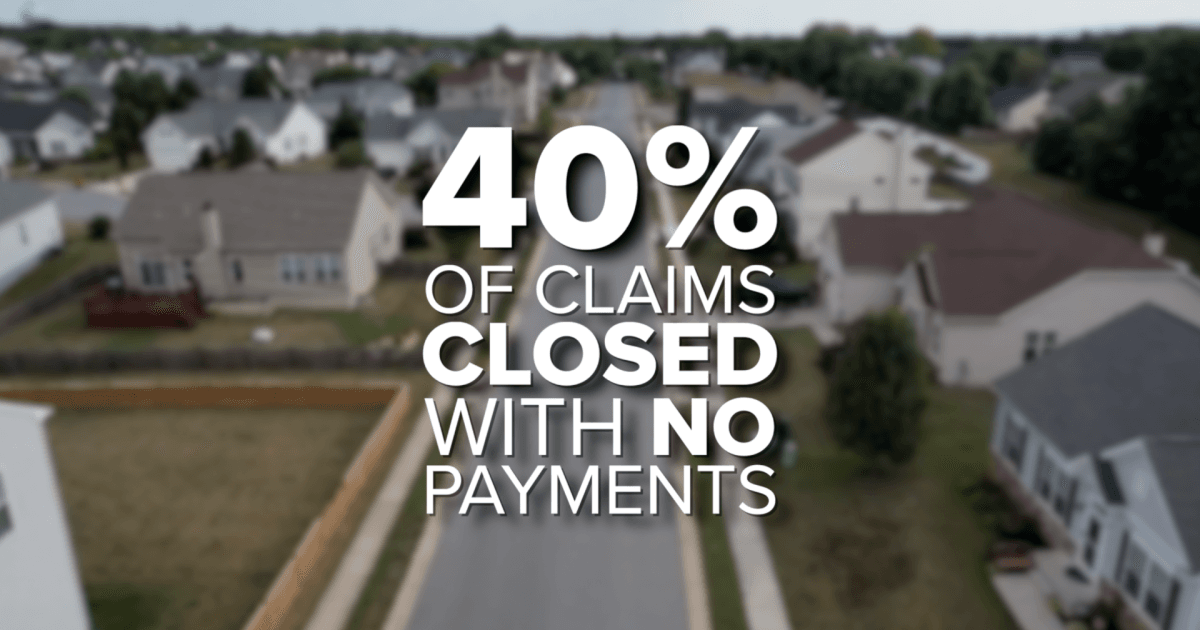
Florida homeowners are facing some of the highest insurance premiums in the nation, with average costs now topping $5,800 per year—about $3,000 above the U.S. average. Many residents report their rates have doubled or even tripled, while more than 40 percent of claims are closed with no payment. As frustration grows, state lawmakers and consumer advocates are pushing for transparency, rate caps, and incentives to help storm‑proof homes. The outcome of these reform efforts could reshape Florida’s real estate market, insurance landscape, and affordability for years to come.

Are Insurance Leaders Stuck in Silos? New Global Study Exposes a Hidden Weakness in Decision‑Making

A new global study from Risk.net and SAS reveals that many insurance companies are still making key decisions in isolated silos, despite industry-wide pushes toward data-driven strategies. While most leaders claim to have a clear vision, 38 percent admit they lack a real-time view of risks, revenue and costs. With poor data quality, limited collaboration and outdated processes holding teams back, experts say the industry is poised for a major transformation through AI, analytics and unified strategy—offering lessons for professionals across insurance, real estate, finance and other regulated fields.

Atlanta Housing Market Outlook 2025–2026: Stability, Rising Inventory, and What It Means for You

Atlanta’s housing market is shifting into a more balanced and predictable phase. Prices have leveled off, inventory has finally caught up, and mortgage rates are easing enough to bring buyers back into the game. With steady demand, growing listings, and only mild price corrections forecasted into 2026, Atlanta remains one of the Southeast’s strongest real estate markets for buyers, sellers, and investors alike.