How AI Is Quietly Reshaping the Daily Life of Today’s Real Estate Agent
Artificial intelligence has officially shifted from trendy buzzword to everyday business partner—especially in the world of real estate. AI now hums in the background of CRMs, transaction tools, and marketing platforms, making daily workflows smoother, faster, and smarter.
But let’s be clear: AI isn’t here to replace agents. It’s here to elevate them. Real estate is still built on trust, relationships, and neighborhood-level expertise. AI simply clears the clutter so agents can spend more time doing what actually grows their business.
Why AI Matters More Than Ever for Real Estate Pros
Agents juggle countless micro‑tasks each week—responding to leads, prepping listings, analyzing trends, managing transactions, updating CRMs, and more. AI steps in to automate repetitive actions and highlight what needs your attention next.
Platforms like BoldTrail, Follow Up Boss, BoomTown, Dotloop, and SkySlope now integrate AI tools that quietly organize data so your day feels more intentional—and far less chaotic.
More Time for Clients, Not Busywork
AI assistants like Gemini, ChatGPT, and Claude can draft emails, summarize conversations, sort showing notes, and build follow‑up messages automatically. Apps such as Cloze and Rechat even let you speak reminders aloud and instantly convert them into tasks.
This shift transforms agents from reactive responders into proactive communicators, elevating the client experience without stretching the workday.
Stronger Branding and More Consistent Marketing
Consistency is king, and AI‑powered marketing tools make it easier than ever to create professional‑grade content. Canva’s Magic Studio, Descript, Opus Clip, and Vizard.ai help agents produce stunning videos, repurpose clips, restore audio, and generate visuals—no full production team needed.
Meanwhile, tools like Jasper, Anyword, and Copy.ai support clean, compelling messaging across emails, captions, scripts, and newsletters.
Data‑Driven Insights at Your Fingertips
AI transforms complex market data into clear, agent‑ready insights. Tools like Altos Research, CoreLogic, Restb.ai, Revaluate, and CanaryAI help agents spot trends, analyze neighborhoods, and prioritize prospects with precision.
Scaling Your Business With Ease
As your pipeline grows, AI keeps everything running smoothly. Automated follow‑ups, lead scoring, and task tracking ensure no lead slips through the cracks—even during peak season. For expanding teams, this is a complete operational upgrade.
Practical Ways Agents Can Use AI Today
The best part? You don’t need a tech overhaul. Most tools integrate seamlessly into systems you already use.
1. Speed Up Writing Tasks
From listing descriptions to Instagram captions, AI produces polished drafts instantly while you add the local expertise buyers crave.
2. Upgrade Listing Prep With AI Visuals
Virtual staging, day‑to‑dusk edits, decluttering, and even 3D tours are now accessible in just a click—helping listings capture more attention online.
3. Streamline Lead Management
AI‑enhanced CRMs score leads, log interactions, trigger workflows, and pre‑qualify inquiries long before you pick up the phone.
4. Strengthen Pricing Strategies
Advanced CMA tools like HouseCanary and TopHap help agents analyze micro‑trends, forecast activity, and deliver impressive visuals to sellers.
5. Automate Admin & Transaction Tasks
AI transaction coordinators detect missing signatures, sync timelines, summarize inspections, and alert you to key dates—protecting your escrow from surprises.
6. Enhance Client Service
AI chat tools like Structurely and Engati instantly answer FAQs, nurture leads, and capture essential details—perfect for late‑night inquiries or high‑volume demand.
Tips for Using AI Effectively
Always add your expertise. AI drafts; you personalize.
Always verify accuracy. Algorithms can misread property details.
Protect client trust. Keep sensitive communication human.
Maintain your unique brand voice. AI should support—not replace—your personality.
AI isn’t replacing real estate agents—it’s giving them an edge. The professionals who learn to use AI today are building businesses that are stronger, more efficient, and more future‑ready.
Want to explore even more AI tools? Visit Realtor.com’s AI hub here:
Explore AI Resources
And if you’re ready to grow your expertise as a real estate professional, Cameron Academy is here to help you stay ahead—from licensing to continuing education to tech‑forward learning. AI evolves fast, but with the right guidance, so can you.
More Articles
Getting licensed or staying ahead in your career can be a journey—but it doesn’t have to be overwhelming. Grab your favorite coffee or tea, take a moment to relax, and browse through our articles. Whether you’re just starting out or renewing your expertise, we’ve got tips, insights, and advice to keep you moving forward. Here’s to your success—one sip and one step at a time!
Despite billions poured into proptech and a decade of flashy digital upgrades, the real estate experience remains largely unchanged. Apps made processes smoother, but not more transparent — because the industry’s core structures, data control and power dynamics stayed the same. True disruption will come from platforms that shift information and control to consumers, not just digitize outdated systems.
Early 2026 is delivering a clear message: commercial real estate is entering a recalibration phase. Construction is softening, pending home sales just saw a sharp drop, consumer sentiment is inching upward but remains fragile, and capital markets are tightening as major CRE sectors face rising distress. From data centers powering ahead to CMBS foreclosures climbing and office-to-residential conversions gaining momentum, professionals across real estate, mortgage, insurance, and finance need to stay sharp as the industry shifts.
Discover the real estate roles earning the biggest paychecks in 2026. From investment consultants to commercial leasing managers, this breakdown highlights the salaries, responsibilities, and career paths offering the strongest financial potential in today’s evolving market—perfect for newcomers and seasoned professionals mapping their next big move.
Montana is taking major steps to remove outdated licensing barriers and strengthen its workforce. Governor Greg Gianforte has created a new Licensing Reform Task Force aimed at modernizing regulations, speeding up approvals, and helping more professionals enter high‑demand fields like construction and healthcare. With licensing numbers doubling over the past decade and rural communities facing critical shortages, the state is pushing for faster, more efficient pathways to work. The task force begins meeting in February and will deliver its full reform report by September 2026 — a move that could influence licensing modernization efforts nationwide.
Artificial intelligence has officially moved from novelty to necessity in the real estate world. According to new industry data, 97% of brokerage leaders say their agents now rely on AI tools for everything from listing descriptions to full-scale marketing campaigns. As adoption skyrockets, so do concerns over training, accuracy, and compliance — especially among smaller firms. The message is clear: for today’s real estate professionals, AI literacy isn’t optional anymore.
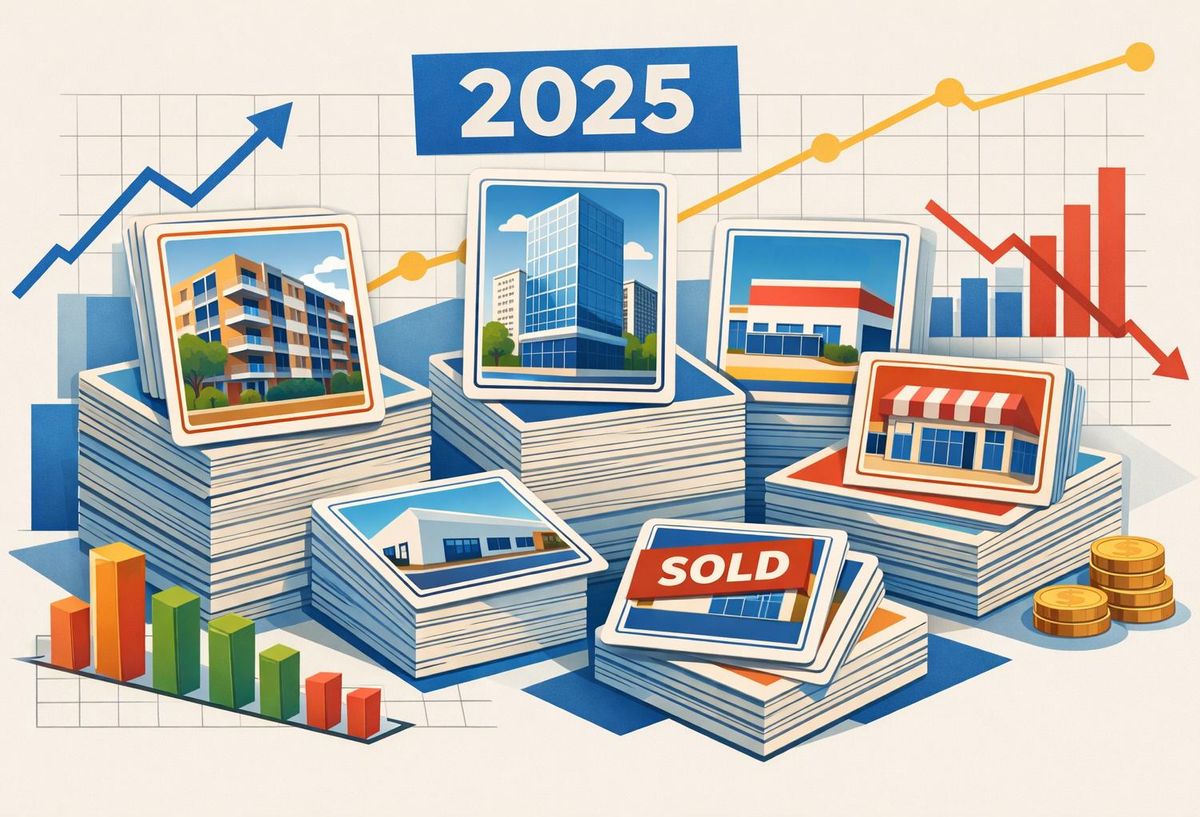
Commercial real estate roared back to life in 2025, with more than $255B pouring into multifamily, industrial, office and retail assets. Major investors moved fast on falling interest rates, improving bond yields and rising confidence across sectors. Multifamily dominated with over $115B in deals, industrial surged under private equity leadership, office saw renewed activity from owner-users and retail proved surprisingly resilient. For today’s real estate and finance professionals, the message is clear: opportunity favors those who stay informed and ready to act.