How AI Is Revolutionizing Patient Care in Hospitals
In a world where technology is reshaping every facet of our lives, healthcare is no exception. The integration of artificial intelligence (AI) into hospital systems is not just a futuristic concept but a present-day reality. According to a recent article by Netguru, AI is transforming patient care, making it more accessible, efficient, and personalized.
AI’s influence in healthcare is vast and varied, spanning from diagnostics to personalized treatment plans and even hospital administration. Imagine a world where hospitals operate at peak efficiency, patient care is tailored to individual needs, and healthcare providers collaborate seamlessly. This is the world AI is creating.
Enhancing Patient Experience with AI
AI is revolutionizing the way patients experience healthcare by introducing innovations like AI-assisted scheduling, virtual health assistants, and remote monitoring. These advancements reduce wait times and improve overall patient satisfaction. As highlighted in the Netguru article, AI-assisted patient scheduling uses algorithms to analyze patient data and optimize appointment times, enhancing patient flow in hospitals.
AI-Powered Medical Diagnostics
The power of AI extends to medical diagnostics, significantly improving the accuracy and speed of identifying medical conditions. AI-driven image analysis and radiology, for instance, employ advanced machine learning techniques to interpret medical images with higher precision. This transformation is particularly beneficial in detecting early signs of diseases, allowing for faster intervention and treatment.
AI-Driven Personalized Treatment Plans
AI is pivotal in developing personalized treatment plans. By leveraging precision medicine, drug dosing and monitoring, and predictive analytics, AI creates tailored treatment plans based on individual patient data. This approach not only improves patient outcomes but also reduces healthcare costs by eliminating unnecessary treatments and tests.
AI Applications in Hospital Administration
Beyond patient care, AI is streamlining hospital administration processes. From revenue cycle management to clinical documentation improvement and supply chain optimization, AI is enhancing operational efficiency. For instance, AI-driven revenue cycle management automates billing processes, reducing financial waste and ensuring that hospitals can focus on delivering high-quality patient care.
Overcoming Challenges in Implementing AI
While AI holds immense potential, its implementation in patient care comes with challenges such as ethical considerations, workforce adaptation, and regulatory compliance. Addressing these issues is crucial for successful integration and maintaining patient trust.
As AI continues to evolve, the future of healthcare looks promising. By embracing the potential of AI, the healthcare industry can look forward to a future where patient care is more personalized, efficient, and effective than ever before.
“`
More Articles
Getting licensed or staying ahead in your career can be a journey—but it doesn’t have to be overwhelming. Grab your favorite coffee or tea, take a moment to relax, and browse through our articles. Whether you’re just starting out or renewing your expertise, we’ve got tips, insights, and advice to keep you moving forward. Here’s to your success—one sip and one step at a time!
Skyrocketing insurance premiums and soaring rebuilding costs are transforming communities across Southwest Florida, especially in the wake of Hurricane Ian. As longtime residents struggle to keep up with rising financial pressure, wealthier newcomers and stricter building standards are reshaping the identity of places like Fort Myers Beach. With insurance rates now driving home sales, triggering potential foreclosures, and squeezing both owners and renters, Florida’s middle-class families face a growing question: can they afford to stay in the state they love?
Florida’s insurance industry is stabilizing fast, with nearly 1.6 million policies shifting from Citizens to private insurers and litigation dropping sharply. Regulators report stronger market confidence, decreasing premiums, and renewed competition—signaling one of the healthiest periods the state has seen in years.
A Leon County judge has ordered the restart of arbitration for Citizens Property Insurance claims, directly conflicting with a previous ruling that halted the process as potentially unconstitutional. With more than 400 cases now back in motion, real estate, insurance, and mortgage professionals can expect renewed activity in claim disputes and fresh uncertainty as Florida courts clash over the legality of Citizens’ arbitration system.
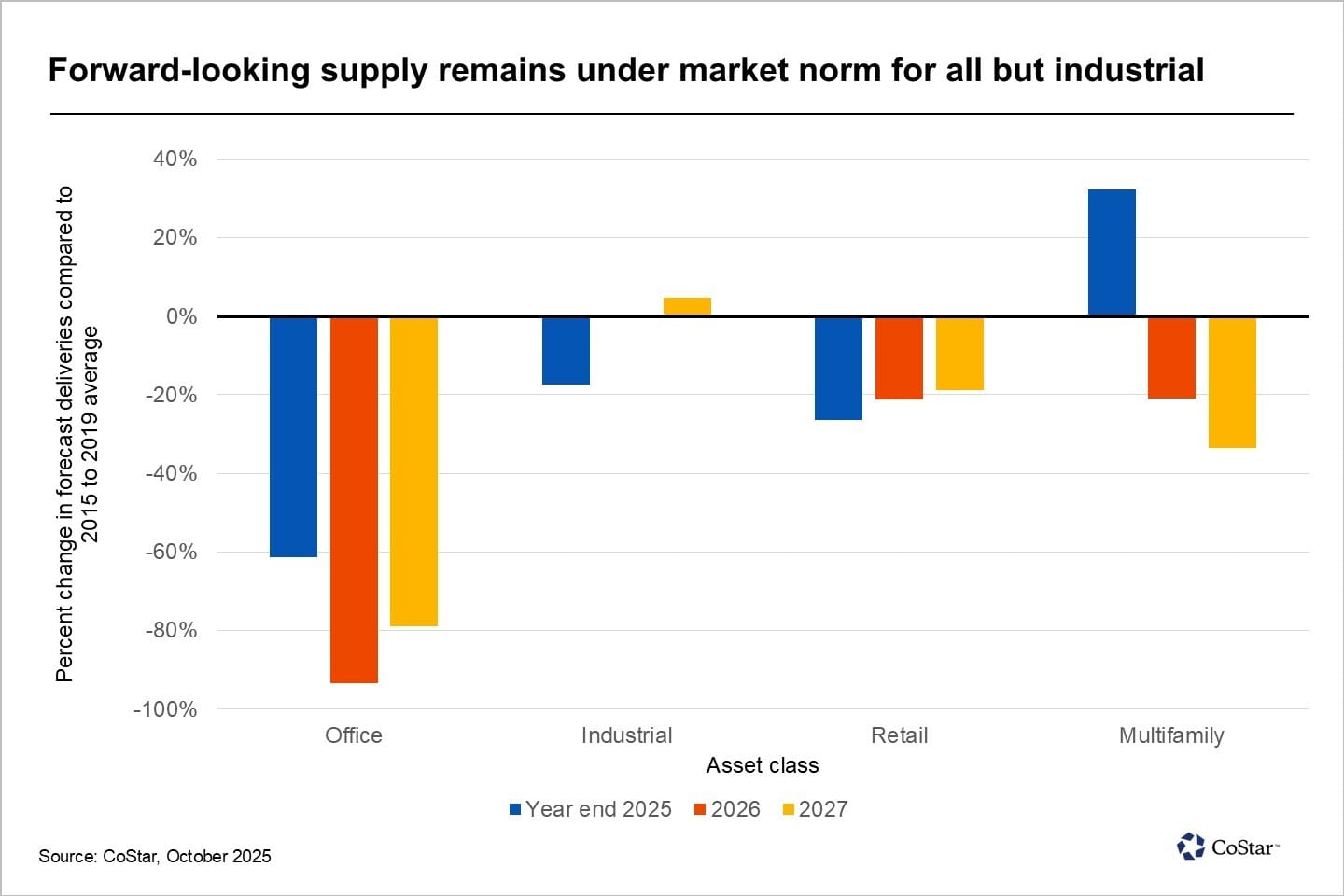
The DFW market is transitioning into a new construction phase marked by a slowdown in office development, a more selective approach to industrial projects, and an evolving housing landscape shaped by affordability and population growth. Developers are recalibrating their priorities, and for real estate professionals, understanding these shifts offers a critical edge in navigating—and capitalizing on—the next phase of the metroplex’s growth.
A new federal lawsuit claims Zillow pushed homebuyers toward Zillow Home Loans by rewarding affiliated agents with valuable leads — all without proper disclosure. The suit alleges undisclosed incentives, referral quotas, and potential RESPA violations, raising major concerns about steering, fiduciary duties, and Zillow’s expanding mortgage ambitions.
The mortgage industry is evolving fast, and the lenders who come out on top will be those who innovate without uprooting what already works. By building on strong technology foundations, streamlining workflows and adopting smart automation, lenders can reduce costs, improve customer experience and stay resilient in any market cycle. This article breaks down why innovation matters now, how a stable tech ecosystem protects lenders in volatile conditions and why small, strategic steps can drive long-term transformation.

 “`
“`