How Technology Is Reshaping Financial Advisors’ Routines in 2026

Modern financial office environment

For financial advisors across the country, 2025 was the year of bold experimentation — particularly with artificial intelligence quietly working behind the scenes in back-office systems. But as 2026 unfolds, advisors are no longer just testing AI. They’re living with it, adapting to it, and in many cases, transforming their daily routines because of it.

Industry insights from Financial Planning reveal that while AI once lived far from the client-facing side of wealth management, it has steadily advanced into areas once considered untouchable — financial planning, investment management, and even the soft-skills side of advisory work.

From Back Office to Center Stage

A few years ago, early AI tools were little more than digital assistants handling administrative tasks. But as described in AI reviews from 2025, firms quickly realized that the technology could do much more than sort documents or log data.

Now, as experts forecasted, 2026 is the year of true integration. AI is preparing meeting notes, analyzing portfolios, and suggesting preliminary planning steps — empowering advisors to walk into client conversations more confident and more prepared than ever.

Many advisors say the same thing: AI isn’t replacing the relationship — it’s strengthening it. These enhancements free professionals from administrative overload, giving them more room to deepen trust and communicate clearly.

But Not Everyone Is Safe

While advisors feel empowered, paraplanners and early-career support staff may be feeling the pressure. As more firms automate data entry, document drafting, and basic calculations, some fear the traditional entry-level stepping stones of the profession may be fading.

Financial Planning continues to track these concerns, including those echoed by estate planning professionals in their article Advisors Clamor for Estate Planning Tools.

What Advisors Are Doing Differently in 2026

To understand how this shift is impacting daily workflows, Financial Planning surveyed advisors across the country. The results? A sweeping embrace of AI-assisted organization, streamlined client prep, and real-time analytics tools that didn’t even exist a year ago.

This trend doesn’t stop at finance. Real estate, mortgage brokerage, insurance, medical, and other professional sectors are watching closely — and adapting fast. At Cameron Academy, we’ve seen professionals turn to modern licensing and continuing education more than ever, preparing themselves to stay competitive in a world where technology isn’t a luxury — it’s a requirement.

Whether you’re a seasoned advisor or expanding your professional toolkit, 2026 is shaping up to be the year where embracing technology isn’t optional — it’s essential.

To explore the full conversation and expert insights, visit the original source at Financial Planning.


More Articles

Getting licensed or staying ahead in your career can be a journey—but it doesn’t have to be overwhelming. Grab your favorite coffee or tea, take a moment to relax, and browse through our articles. Whether you’re just starting out or renewing your expertise, we’ve got tips, insights, and advice to keep you moving forward. Here’s to your success—one sip and one step at a time!

KBank’s Crypto Dilemma: Navigating Legislative Changes Amid IPO Plans

The financial landscape in South Korea is poised for a seismic shift as KBank, a major digital bank, grapples with a legislative curveball. The bank, which is heavily reliant on deposits from Upbit, Korea’s dominant cryptocurrency exchange, is facing a potential profit squeeze. The new Virtual Asset User Protection Act, set to take effect on July 19, 2024, mandates that banks must pay interest on crypto exchange deposits, a move that could severely impact KBank's bottom line.

By |December 29, 2024|Categories: Article, Cryptocurrency, Finance|Tags: |0 Comments

The Transformation of Healthcare: AI’s Role in Diagnostics and Personalized Medicine

AI's ability to analyze vast amounts of data is paving the way for a profound change in medical diagnostics. Khosla predicted that AI could take over up to 80% of standard medical tasks, reducing errors and biases in human diagnosis. This is particularly evident in fields like radiology and pathology, where AI's proficiency in analyzing medical imaging allows for the early detection of diseases such as cancer, significantly improving treatment outcomes.

The Geography of Pandemic-Era Home Price Trends and Implications for Affordability

The COVID-19 pandemic has dramatically reshaped the housing market landscape, resulting in an unprecedented surge in home prices throughout the United States.

By |December 28, 2024|Categories: Affordability Issues, Article, Housing Market|Tags: |0 Comments

AI in Healthcare: Transforming the Industry Today and Tomorrow

In a world where technology is rapidly evolving, artificial intelligence (AI) is proving to be a game-changer in the healthcare sector. AI-powered tools are improving patient outcomes, enhancing operational efficiency, and reducing costs, reshaping the very fabric of healthcare delivery.

By |December 28, 2024|Categories: Article, Artificial Intelligence, Healthcare|Tags: |0 Comments

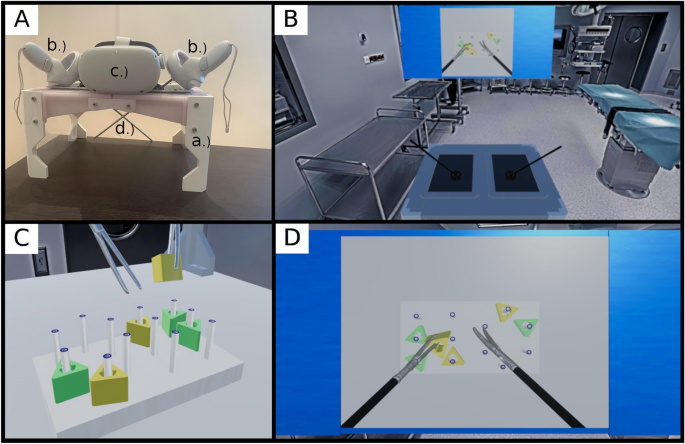
Revolutionizing Surgical Training with VR and AI

In a groundbreaking study published by Nature, researchers have unveiled a novel approach to surgical training using a low-fidelity virtual reality (VR) simulator enhanced with artificial intelligence (AI) for objective assessment. This pioneering method is poised to transform how medical students acquire laparoscopic skills, offering a cost-effective and efficient alternative to traditional training models.

AI and Machine Learning: Revolutionizing the Healthcare Industry

AI in healthcare is projected to grow into a $188 billion industry worldwide by 2030, promising to revolutionize the field. From drug development to improved diagnostics, AI is already making significant strides, transforming medical practices and enhancing patient care efficiency.

By |December 27, 2024|Categories: Article, Healthcare, Technology|Tags: , |0 Comments