
How Technology Is Reshaping Financial Advisors’ Routines in 2026

Modern financial office environment

For financial advisors across the country, 2025 was the year of bold experimentation — particularly with artificial intelligence quietly working behind the scenes in back-office systems. But as 2026 unfolds, advisors are no longer just testing AI. They’re living with it, adapting to it, and in many cases, transforming their daily routines because of it.

Industry insights from Financial Planning reveal that while AI once lived far from the client-facing side of wealth management, it has steadily advanced into areas once considered untouchable — financial planning, investment management, and even the soft-skills side of advisory work.

From Back Office to Center Stage

A few years ago, early AI tools were little more than digital assistants handling administrative tasks. But as described in AI reviews from 2025, firms quickly realized that the technology could do much more than sort documents or log data.

Now, as experts forecasted, 2026 is the year of true integration. AI is preparing meeting notes, analyzing portfolios, and suggesting preliminary planning steps — empowering advisors to walk into client conversations more confident and more prepared than ever.

Many advisors say the same thing: AI isn’t replacing the relationship — it’s strengthening it. These enhancements free professionals from administrative overload, giving them more room to deepen trust and communicate clearly.

But Not Everyone Is Safe

While advisors feel empowered, paraplanners and early-career support staff may be feeling the pressure. As more firms automate data entry, document drafting, and basic calculations, some fear the traditional entry-level stepping stones of the profession may be fading.

Financial Planning continues to track these concerns, including those echoed by estate planning professionals in their article Advisors Clamor for Estate Planning Tools.

What Advisors Are Doing Differently in 2026

To understand how this shift is impacting daily workflows, Financial Planning surveyed advisors across the country. The results? A sweeping embrace of AI-assisted organization, streamlined client prep, and real-time analytics tools that didn’t even exist a year ago.

This trend doesn’t stop at finance. Real estate, mortgage brokerage, insurance, medical, and other professional sectors are watching closely — and adapting fast. At Cameron Academy, we’ve seen professionals turn to modern licensing and continuing education more than ever, preparing themselves to stay competitive in a world where technology isn’t a luxury — it’s a requirement.

Whether you’re a seasoned advisor or expanding your professional toolkit, 2026 is shaping up to be the year where embracing technology isn’t optional — it’s essential.

To explore the full conversation and expert insights, visit the original source at Financial Planning.

More Articles

Getting licensed or staying ahead in your career can be a journey—but it doesn’t have to be overwhelming. Grab your favorite coffee or tea, take a moment to relax, and browse through our articles. Whether you’re just starting out or renewing your expertise, we’ve got tips, insights, and advice to keep you moving forward. Here’s to your success—one sip and one step at a time!

2025 Commercial Real Estate Outlook: Navigating a New Era

The commercial real estate landscape is on the brink of transformation as leaders seek to navigate the challenges of recent years and position their organizations for future opportunities.

The Emerging Mental Health Crisis Among Healthcare Workers During the COVID-19 Pandemic

The pandemic has ushered in a wave of mental health challenges that affect healthcare workers profoundly. From the onset of COVID-19, these professionals have been at the forefront, facing immense pressure, long hours, and the constant fear of exposure.

By |December 18, 2024|Categories: Article, Healthcare Workers, Mental Health|Tags: , |0 Comments

Ethical Concerns of Large Language Models in Healthcare

Exploring the dual nature of LLMs offers substantial benefits in healthcare but also raises significant ethical concerns, underscoring the need for well-defined guidelines and human oversight.

The Role of Wearable Devices in Chronic Disease Monitoring and Patient Care: A Comprehensive Review

Wearable devices have become integral in managing chronic conditions by providing continuous health data, empowering patients and healthcare professionals with insights that were previously unattainable.

AI Training Mandates: Navigating Legal Waters in Dentistry

The integration of artificial intelligence (AI) into dental practices is more than a technological trend; it represents a seismic shift in the industry. This transformation is reshaping skill sets and prompting a thorough examination of legal and ethical implications.

By |December 17, 2024|Categories: Article, Legal, Technology|Tags: , |0 Comments

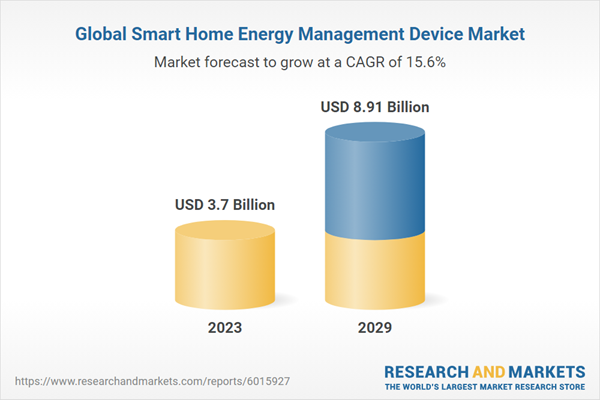
Smart Home Energy Management Devices: A Market Poised for Growth

The Global Smart Home Energy Management Device Market is on the brink of a significant transformation, driven by escalating demands for energy-efficient solutions and the increasing adoption of smart home technologies.