How Technology Is Reshaping Financial Advisors’ Routines in 2026

Modern financial office environment

For financial advisors across the country, 2025 was the year of bold experimentation — particularly with artificial intelligence quietly working behind the scenes in back-office systems. But as 2026 unfolds, advisors are no longer just testing AI. They’re living with it, adapting to it, and in many cases, transforming their daily routines because of it.

Industry insights from Financial Planning reveal that while AI once lived far from the client-facing side of wealth management, it has steadily advanced into areas once considered untouchable — financial planning, investment management, and even the soft-skills side of advisory work.

From Back Office to Center Stage

A few years ago, early AI tools were little more than digital assistants handling administrative tasks. But as described in AI reviews from 2025, firms quickly realized that the technology could do much more than sort documents or log data.

Now, as experts forecasted, 2026 is the year of true integration. AI is preparing meeting notes, analyzing portfolios, and suggesting preliminary planning steps — empowering advisors to walk into client conversations more confident and more prepared than ever.

Many advisors say the same thing: AI isn’t replacing the relationship — it’s strengthening it. These enhancements free professionals from administrative overload, giving them more room to deepen trust and communicate clearly.

But Not Everyone Is Safe

While advisors feel empowered, paraplanners and early-career support staff may be feeling the pressure. As more firms automate data entry, document drafting, and basic calculations, some fear the traditional entry-level stepping stones of the profession may be fading.

Financial Planning continues to track these concerns, including those echoed by estate planning professionals in their article Advisors Clamor for Estate Planning Tools.

What Advisors Are Doing Differently in 2026

To understand how this shift is impacting daily workflows, Financial Planning surveyed advisors across the country. The results? A sweeping embrace of AI-assisted organization, streamlined client prep, and real-time analytics tools that didn’t even exist a year ago.

This trend doesn’t stop at finance. Real estate, mortgage brokerage, insurance, medical, and other professional sectors are watching closely — and adapting fast. At Cameron Academy, we’ve seen professionals turn to modern licensing and continuing education more than ever, preparing themselves to stay competitive in a world where technology isn’t a luxury — it’s a requirement.

Whether you’re a seasoned advisor or expanding your professional toolkit, 2026 is shaping up to be the year where embracing technology isn’t optional — it’s essential.

To explore the full conversation and expert insights, visit the original source at Financial Planning.


More Articles

Getting licensed or staying ahead in your career can be a journey—but it doesn’t have to be overwhelming. Grab your favorite coffee or tea, take a moment to relax, and browse through our articles. Whether you’re just starting out or renewing your expertise, we’ve got tips, insights, and advice to keep you moving forward. Here’s to your success—one sip and one step at a time!

Phoenix Housing Market Surges Ahead of the Nation in 2025

The Phoenix housing market continues to outperform the rest of the country, posting stronger sales, rising equity, and an influx of qualified buyers. With closed sales, pending sales, new listings, and median prices all trending upward, the Valley is outpacing national growth by a wide margin. City‑level data shows impressive strength across Scottsdale, Goodyear, Gilbert, Phoenix, and more—making 2025 a powerful year for agents, investors, and professionals watching the Arizona market.

20 High-Demand Jobs to Watch as 2026 Approaches — Major Events Are Fueling New Opportunities

With the 2026 FIFA World Cup and America’s 250th birthday celebrations on the horizon, the U.S. job market is gearing up for a surge across multiple industries. Seasonal, flexible, and part‑time roles are expected to rise—especially for workers 50+ who have struggled in a cooling labor market. From accounting and HR leadership to event staffing and delivery driving, major cities are preparing for increased hiring tied to tourism, infrastructure, and yearlong national celebrations. Many of these fast‑growing roles connect directly to licensing and certification pathways, giving professionals new chances to pivot or upskill through programs offered by Cameron Academy.

New Florida Laws Taking Effect January 1, 2026: Key Updates for Professionals

Florida is rolling out a new wave of laws on January 1, 2026 that will impact professionals in real estate, insurance, healthcare, education, and other regulated industries. From new insurance rules and healthcare billing requirements to condo association deadlines and statewide databases, these updates reshape compliance expectations across the state. Whether you work in property, finance, or public‑facing services, understanding these changes is essential for staying aligned with Florida’s evolving regulations.

Commercial Real Estate Pros Are Almost All Bullish on 2026

Nearly every commercial real estate professional is expecting a stronger year ahead, with 97% predicting increased or stable activity in 2026, according to Avison Young’s latest outlook. Confidence has surged dramatically since mid‑2025 as strong sales, anticipated rate cuts, and improving fundamentals across key sectors signal that CRE recovery and growth may finally be taking hold.

Dallas‑Fort Worth’s 2025 Boom: The Metroplex Redefining U.S. Growth

Dallas‑Fort Worth is finishing 2025 as the nation’s top real estate and business powerhouse, fueled by corporate relocations, a dominant industrial sector, infrastructure megaprojects, and a rapidly evolving workforce landscape. From data center expansion to the launch of the DART Silver Line, the region continues to outpace national trends—while also confronting a growing demand for skilled professionals and licensed talent across construction, real estate, and technical fields.

FEMA and NJDEP Unveil New Morris County Flood Maps, Triggering Key Changes for Property Owners and Professionals

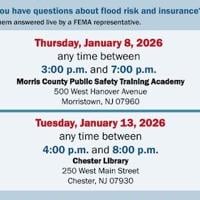
FEMA and the NJDEP have released revised preliminary flood maps for Morris County, reshaping how homeowners, real estate agents, insurers, and mortgage professionals assess flood risk. The updated FIRMs may shift properties into or out of higher‑risk zones, affecting insurance requirements, closing processes, and long‑term property values. With public review and appeals ahead, industry professionals are urged to study the changes now and prepare clients for potential impacts.