How One Israeli Startup Is Rewiring Real Estate Investing for the Digital Age
Real estate professionals worldwide are witnessing a quiet but powerful transformation. For years, investment firms depended on spreadsheets, email chains and manual recordkeeping systems that felt increasingly outdated. But the landscape is shifting in dramatic ways, and one Israeli proptech startup is helping lead the industry into a more streamlined, transparent and digitally optimized future.
Agora, founded in 2019, is rapidly becoming one of the most influential companies in the investment management space. Their mission: replace chaos with clarity. By offering a fully centralized digital platform, Agora empowers real estate firms to eliminate fragmented tools and modernize everything from investor onboarding to reporting and capital management.
A Deep Dive Into What Agora Is Solving
The investment side of real estate has always been complex. One project can span hundreds of investors, countless partnership structures and years of financial movement. Traditionally, firms pieced together multiple systems that never communicated well.
Agora co-founder and CEO Bar Mor summarized the challenge simply: We have seen companies struggling with managing their operations using numerous spreadsheets, emails and disjointed systems that do not interact with each other.
Mor and his co-founders, Lior Dolinski and Noam Kahan, met during their service in Israels elite military intelligence Unit 8200. Armed with deep technological experience, they built Agora to function as a true backbone for investment managers around the world.
Tap to Explore: What Agora Offers
Investor portals, digital signatures, automated distribution tracking, tax document handling and unified reporting features all in one platform designed to simplify the investor experience.
Today, Agora supports firms throughout North America, Europe, Australia and Israel, managing billions in assets and hundreds of thousands of investor relationships. Their rapid adoption highlights a global push toward smarter, more automated proptech solutions.
Why This Shift Matters for Real Estate Professionals
The future of real estate work is digitally driven. Firms that modernize early gain a long-term competitive advantage, and professionals entering the field especially those pursuing or renewing their real estate license must understand these tools to stay sharp and marketable.
This is why Cameron Academy focuses on more than exam prep. Our programs help students understand the evolving technologies shaping modern real estate careers. Passing your exam is step one. Thriving in a changing industry requires adaptability and awareness.
The Industry Is Catching Up, Fast
Over the last decade, proptech has redefined nearly every part of the property lifecycle. Agora is part of the wave improving the financial infrastructure behind real estate investing. As firms handle larger and more complex portfolios, sophisticated digital tools have moved from optional upgrades to essential infrastructure.
Whether you are an experienced investor, a new agent or someone exploring a future license, understanding platforms like Agora keeps you one step ahead.
Read the Full Source Article
Click here to explore the original reporting on Ynet News.
Modern technology is not just improving real estate investing. It is reinventing it. For professionals aiming to excel, embracing these solutions is no longer optional. It is simply part of the job.
More Articles
Getting licensed or staying ahead in your career can be a journey—but it doesn’t have to be overwhelming. Grab your favorite coffee or tea, take a moment to relax, and browse through our articles. Whether you’re just starting out or renewing your expertise, we’ve got tips, insights, and advice to keep you moving forward. Here’s to your success—one sip and one step at a time!
The title insurance industry is entering 2026 with a renewed focus on technology, operational efficiency, and stronger agent support after years of volatility. Leaders from major underwriters report rising transaction activity, improved affordability, and a surge in automation and fraud‑prevention tools—signs that smarter systems and better training will define the next wave of growth.
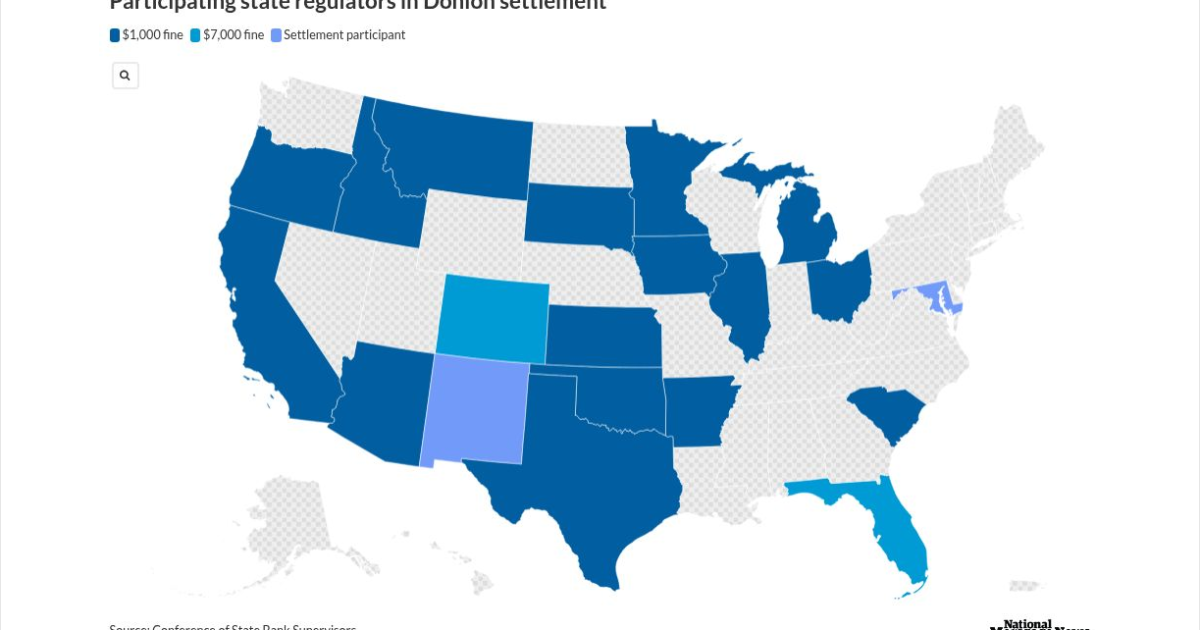
A multistate crackdown has sent shockwaves through the mortgage industry as Patrick Terrance Donlon, CEO of Trusted American Mortgage, accepted a sweeping settlement that bans him from working as a mortgage loan originator in 21 states—19 of them permanently. Regulators say Donlon had another individual complete his mandatory licensing and continuing‑education courses, a violation that triggered a coordinated investigation and a $31,000 penalty. The case underscores regulators’ growing intolerance for education fraud and serves as a sharp reminder to industry professionals: cutting corners on licensing can end careers.
Florida’s once‑booming housing market is cooling fast as rising insurance premiums, increasing foreclosures, and expanding flood zones push buyers to back out of deals and force sellers to cut prices. With insurance now adding thousands to annual housing costs, professionals across real estate, mortgage, and insurance are navigating a dramatically shifting landscape that’s redefining affordability in the Sunshine State.
Florida begins 2026 with a wave of more than 250 new laws now in effect, impacting healthcare, insurance, real estate, and consumer protections statewide. From free breast cancer screenings for state employees to tighter pet insurance regulations, mandatory healthcare refund rules, enhanced animal‑cruelty penalties, and new condo‑management requirements, these updates carry major implications for professionals navigating Florida’s evolving regulatory landscape.
Florida’s barrier islands may offer postcard-perfect beaches and soaring real estate demand, but they’re also some of the most fragile and costly places to build in the United States. With 765,000 residents living on land that shifts, sinks, and takes the brunt of every major hurricane, the financial and insurance risks are accelerating fast. From billion‑dollar beach rebuilds to towers settling into the sand, today’s coastal development challenges are reshaping conversations around property values, disclosure, and long‑term resilience. For real estate professionals, understanding these risks isn’t just smart — it’s becoming essential.
A Cedar City development is turning heads with its fresh approach to affordability. The team behind Temple View Commons is delivering luxury‑inspired twin homes at prices below the local median by using a small, hands‑on staff and cutting traditional costs like realtor commissions. In a tight Utah housing market where inventory is scarce and prices remain high, their strategy offers a realistic path to homeownership without sacrificing high‑end finishes.


 Title Insurance Leaders Double Down on Tech and Efficiency to Drive 2026 Market Momentum Gallery