How One Israeli Startup Is Rewiring Real Estate Investing for the Digital Age
Real estate professionals worldwide are witnessing a quiet but powerful transformation. For years, investment firms depended on spreadsheets, email chains and manual recordkeeping systems that felt increasingly outdated. But the landscape is shifting in dramatic ways, and one Israeli proptech startup is helping lead the industry into a more streamlined, transparent and digitally optimized future.
Agora, founded in 2019, is rapidly becoming one of the most influential companies in the investment management space. Their mission: replace chaos with clarity. By offering a fully centralized digital platform, Agora empowers real estate firms to eliminate fragmented tools and modernize everything from investor onboarding to reporting and capital management.
A Deep Dive Into What Agora Is Solving
The investment side of real estate has always been complex. One project can span hundreds of investors, countless partnership structures and years of financial movement. Traditionally, firms pieced together multiple systems that never communicated well.
Agora co-founder and CEO Bar Mor summarized the challenge simply: We have seen companies struggling with managing their operations using numerous spreadsheets, emails and disjointed systems that do not interact with each other.
Mor and his co-founders, Lior Dolinski and Noam Kahan, met during their service in Israels elite military intelligence Unit 8200. Armed with deep technological experience, they built Agora to function as a true backbone for investment managers around the world.
Tap to Explore: What Agora Offers
Investor portals, digital signatures, automated distribution tracking, tax document handling and unified reporting features all in one platform designed to simplify the investor experience.
Today, Agora supports firms throughout North America, Europe, Australia and Israel, managing billions in assets and hundreds of thousands of investor relationships. Their rapid adoption highlights a global push toward smarter, more automated proptech solutions.
Why This Shift Matters for Real Estate Professionals
The future of real estate work is digitally driven. Firms that modernize early gain a long-term competitive advantage, and professionals entering the field especially those pursuing or renewing their real estate license must understand these tools to stay sharp and marketable.
This is why Cameron Academy focuses on more than exam prep. Our programs help students understand the evolving technologies shaping modern real estate careers. Passing your exam is step one. Thriving in a changing industry requires adaptability and awareness.
The Industry Is Catching Up, Fast
Over the last decade, proptech has redefined nearly every part of the property lifecycle. Agora is part of the wave improving the financial infrastructure behind real estate investing. As firms handle larger and more complex portfolios, sophisticated digital tools have moved from optional upgrades to essential infrastructure.
Whether you are an experienced investor, a new agent or someone exploring a future license, understanding platforms like Agora keeps you one step ahead.
Read the Full Source Article
Click here to explore the original reporting on Ynet News.
Modern technology is not just improving real estate investing. It is reinventing it. For professionals aiming to excel, embracing these solutions is no longer optional. It is simply part of the job.
More Articles
Getting licensed or staying ahead in your career can be a journey—but it doesn’t have to be overwhelming. Grab your favorite coffee or tea, take a moment to relax, and browse through our articles. Whether you’re just starting out or renewing your expertise, we’ve got tips, insights, and advice to keep you moving forward. Here’s to your success—one sip and one step at a time!
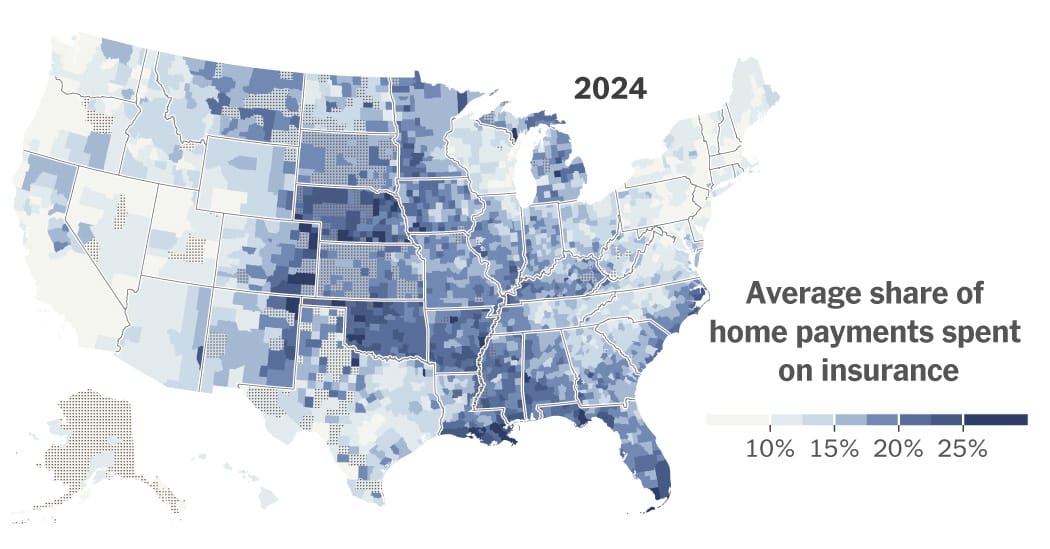
A surge in home insurance premiums is reshaping housing markets across the country, hitting disaster‑prone regions the hardest. From Louisiana to Colorado and California, deals are collapsing, buyers are backing out, and home values are dropping as insurance becomes a central affordability hurdle. New data shows climate‑driven risk repricing and soaring reinsurance costs are stripping tens of thousands of dollars from property values, forcing some homeowners to sell at a loss—or go uninsured altogether.
After years of sluggish activity, the National Association of REALTORS predicts 2026 could mark the long‑awaited rebound for the housing market. With a projected 14% jump in home sales, steadier rates near 6%, and rising buyer activity, NAR economists say momentum is already building. Early signs—like a 31% surge in mortgage applications, continued job growth, and stabilizing prices—suggest a stronger, more confident market ahead, creating fresh opportunities for both seasoned professionals and aspiring agents preparing to enter the field.
A surge of global capital is reshaping real estate heading into 2026, with investors shifting toward hands‑on strategies, cross‑border diversification, and high‑growth asset classes like data centers. Colliers’ 2026 Global Investor Outlook highlights rising confidence, improving liquidity, and a major pivot toward direct investing and value‑add opportunities. From office market rebounds to Asia Pacific’s rapid fundraising growth, the report outlines trends every real estate professional should understand as the industry enters a more dynamic, opportunity‑rich cycle.
Culver City just became the first place in California to legalize six‑story apartment buildings with only one staircase — a simple change that could reshape mid‑rise housing statewide. By freeing up as much as 7% more usable floor space, architects say single‑stair designs allow bigger units, more windows, and the kind of elegant layouts common in New York and Europe. If the city’s six‑year experiment succeeds, it may spark a broader rethinking of U.S. building codes and open the door to more flexible, affordable multifamily development across California.
Stratford homeowners are receiving their 2025 Notices of Assessment Change, marking the town’s first property revaluation since 2019. Officials emphasize that rising assessments do not equal higher tax bills, as a new mill rate won’t be set until spring 2026. Residents can challenge or review their updated valuations through informal hearings hosted by Vision Government Solutions, with appointments available for one week after receiving a notice.
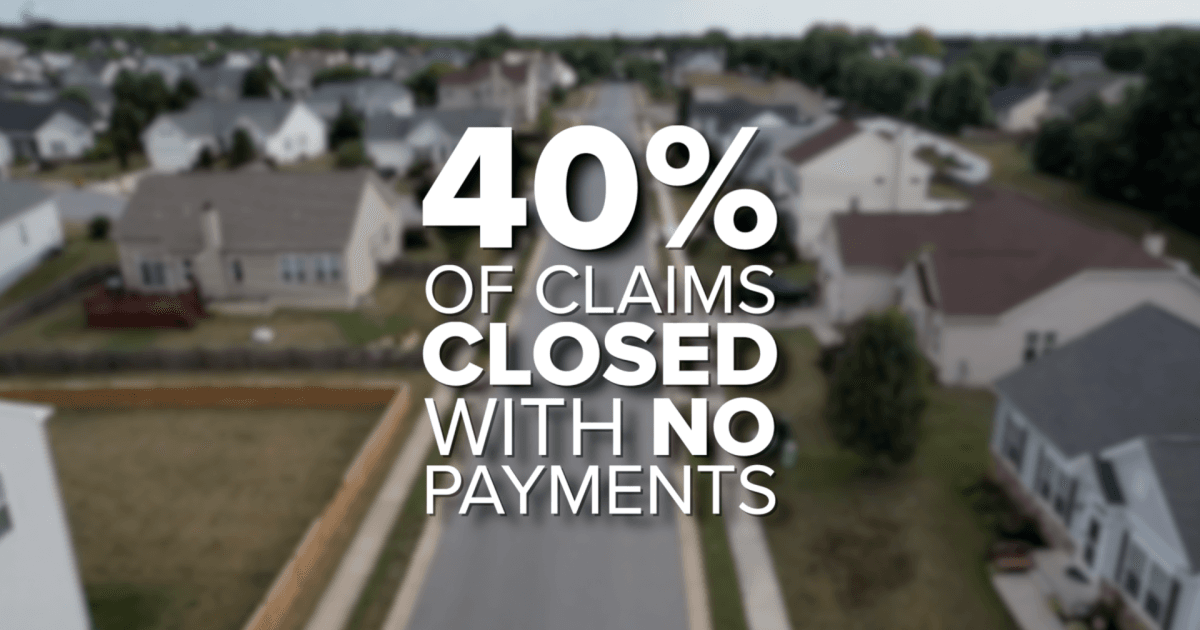
New reporting reveals Florida homeowners now face an average insurance premium of $5,838 per year — nearly triple the national average. With skyrocketing rates, denied claims, and mounting non-renewals, residents are being pushed to tough financial decisions while lawmakers scramble to implement reforms. From retirees skipping coverage to families battling insurers for fair payouts, Florida’s insurance crisis is reshaping both the housing market and the daily lives of homeowners statewide.