
In a rapidly evolving world, the intersection of technology and traditional industries is inevitable. Blockchain technology stands at the forefront of this transformation, particularly within the realm of real estate transactions. The insights from a recent article by AZ Big Media shed light on how this groundbreaking technology is reshaping the landscape of property dealings.

Blockchain technology

One of the most revolutionary aspects is the tokenization of real estate assets. By converting property ownership into digital tokens, blockchain facilitates new investment opportunities. This process democratizes real estate, allowing individuals to invest without the need for significant capital. As these tokens are tradable on blockchain platforms, they provide a more accessible and flexible investment avenue.

Moreover, blockchain technology promises simplified title transfers. Traditionally, transferring property titles involves extensive paperwork and multiple parties, often leading to delays. However, with blockchain, a digital ledger securely stores all relevant information, ensuring a swift and error-free process. This eliminates the need for third-party verification, enhancing the overall efficiency.

Another significant advantage is the enhanced fraud prevention capabilities of blockchain. Real estate fraud, a persistent concern, can be mitigated through immutable and time-stamped blockchain records. This technology not only verifies ownership but also authenticates transactions, making fraudulent activities considerably more challenging.

Additionally, the introduction of smart contracts in real estate transactions is a game-changer. These self-executing agreements, with embedded terms, automate processes by executing conditions automatically when met. This reduces the need for intermediaries like lawyers or brokers, thereby cutting costs and speeding up transactions.

The transparency blockchain offers is unparalleled. By establishing a decentralized ledger, it ensures all parties have access to the same information throughout the transaction process. This increased transparency reduces disputes and enhances trust among parties involved.

Finally, blockchain streamlines property management by automating rent collection and tracking maintenance requests, providing a clear history of all property-related activities. This efficiency is particularly beneficial for managing large property portfolios.

As blockchain technology continues to advance, its potential to revolutionize real estate transactions is immense. For those keen to stay updated on these developments, resources like Blockfresh and OriginStamp offer valuable insights.

In conclusion, the integration of blockchain into real estate is not just a trend but a transformative shift. As highlighted in the original article, this technology promises to make property transactions quicker, more secure, and more transparent, heralding a new era in the real estate industry.

More Articles

Getting licensed or staying ahead in your career can be a journey—but it doesn’t have to be overwhelming. Grab your favorite coffee or tea, take a moment to relax, and browse through our articles. Whether you’re just starting out or renewing your expertise, we’ve got tips, insights, and advice to keep you moving forward. Here’s to your success—one sip and one step at a time!

2025 Commercial Real Estate Outlook: Navigating a New Era

The commercial real estate landscape is on the brink of transformation as leaders seek to navigate the challenges of recent years and position their organizations for future opportunities.

The Emerging Mental Health Crisis Among Healthcare Workers During the COVID-19 Pandemic

The pandemic has ushered in a wave of mental health challenges that affect healthcare workers profoundly. From the onset of COVID-19, these professionals have been at the forefront, facing immense pressure, long hours, and the constant fear of exposure.

By |December 18, 2024|Categories: Article, Healthcare Workers, Mental Health|Tags: , |0 Comments

Ethical Concerns of Large Language Models in Healthcare

Exploring the dual nature of LLMs offers substantial benefits in healthcare but also raises significant ethical concerns, underscoring the need for well-defined guidelines and human oversight.

The Role of Wearable Devices in Chronic Disease Monitoring and Patient Care: A Comprehensive Review

Wearable devices have become integral in managing chronic conditions by providing continuous health data, empowering patients and healthcare professionals with insights that were previously unattainable.

AI Training Mandates: Navigating Legal Waters in Dentistry

The integration of artificial intelligence (AI) into dental practices is more than a technological trend; it represents a seismic shift in the industry. This transformation is reshaping skill sets and prompting a thorough examination of legal and ethical implications.

By |December 17, 2024|Categories: Article, Legal, Technology|Tags: , |0 Comments

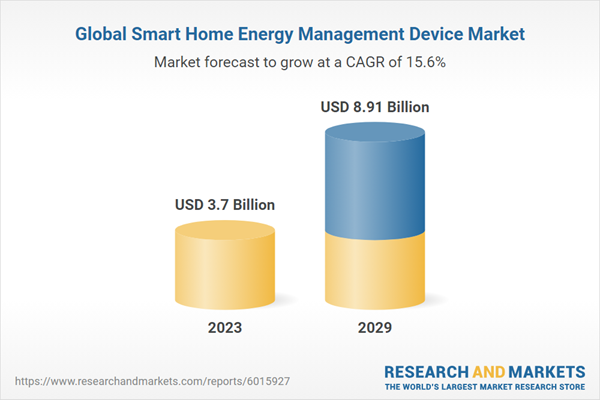
Smart Home Energy Management Devices: A Market Poised for Growth

The Global Smart Home Energy Management Device Market is on the brink of a significant transformation, driven by escalating demands for energy-efficient solutions and the increasing adoption of smart home technologies.