Blockchain technology is set to revolutionize the
real estate industry, bringing unprecedented levels of
security and
transparency to property transactions. As the world becomes increasingly digital, the integration of blockchain in real estate is not just a possibility—it’s a necessity.
The Transformative Power of Blockchain
Imagine a world where buying or selling property is as simple as a few clicks. This is the promise of
blockchain technology in real estate. By utilizing
blockchain technology, the industry is poised to undergo a significant transformation.
Smart contracts, for instance, are self-executing agreements that automatically enforce the terms of a deal, eliminating the need for intermediaries. This not only speeds up the process but also reduces costs.
Key Benefits of Blockchain in Real Estate
- Enhanced Security: Blockchain’s decentralized nature makes it incredibly difficult to hack, ensuring that each transaction is secure.
- Reduced Costs: By removing intermediaries such as brokers and lawyers, blockchain can significantly cut transaction costs.
- Increased Speed and Efficiency: Transactions that once took weeks can now be completed in days or even hours.
- Greater Accessibility: Blockchain opens up real estate markets to a global audience, allowing investors worldwide to participate.
- Immutable Records: Once data is entered into the blockchain, it cannot be changed, ensuring accuracy and reliability.
Leading Examples in the Industry
Several companies are already paving the way for blockchain in real estate.
Propy is revolutionizing international property transactions by allowing users to complete deals entirely online.
Ubitquity is bringing title management into the digital age, offering a secure way to record and verify property ownership. Meanwhile,
ShelterZoom is making real estate transactions digital and hassle-free, using smart contracts to automate agreements.
The Future of Real Estate Transactions
The future of real estate is bright with
blockchain technology. Major players in the industry, such as
Cushman & Wakefield and
Microsoft, are already exploring blockchain solutions to enhance data collection and improve property platforms. The potential for smoother transactions and increased transparency makes blockchain a game-changer for the industry.
By embracing blockchain, real estate professionals can boost productivity and rethink how transactions are conducted. As the global market size of
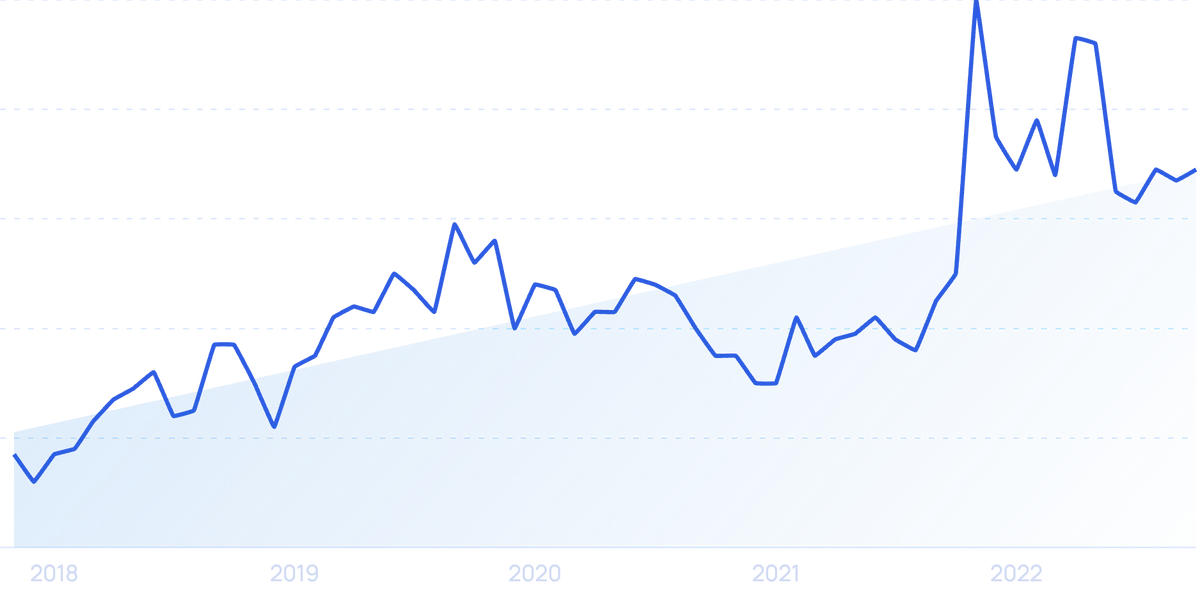
real estate blockchain is expected to reach $3.8 billion by 2025, the time to adopt this technology is now.