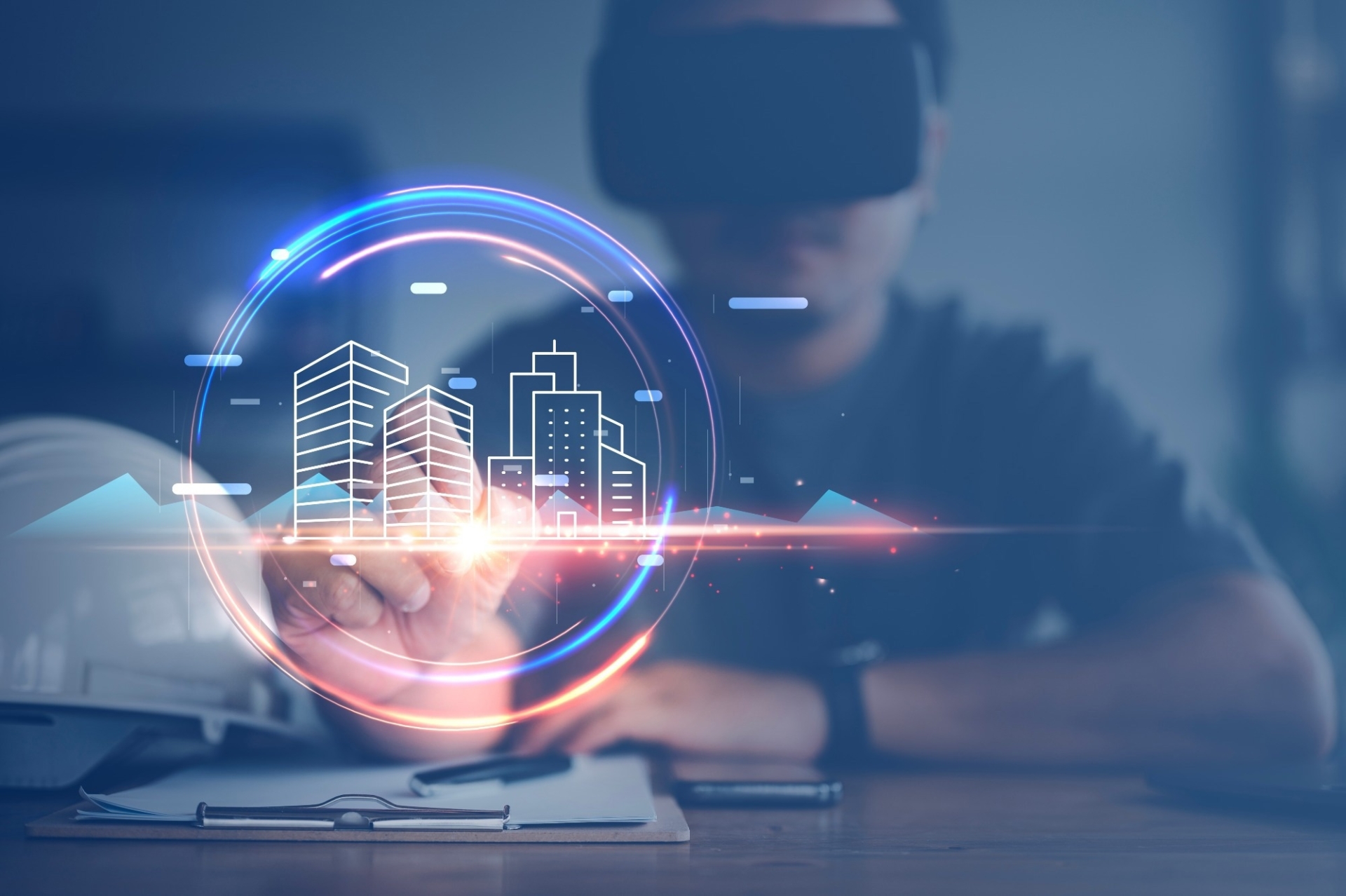
Blockchain technology is set to revolutionize the real estate industry, bringing unprecedented levels of security and transparency to property transactions. As the world becomes increasingly digital, the integration of blockchain in real estate is not just a possibility—it’s a necessity.

The Transformative Power of Blockchain


Imagine a world where buying or selling property is as simple as a few clicks. This is the promise of blockchain technology in real estate. By utilizing blockchain technology, the industry is poised to undergo a significant transformation. Smart contracts, for instance, are self-executing agreements that automatically enforce the terms of a deal, eliminating the need for intermediaries. This not only speeds up the process but also reduces costs.

Key Benefits of Blockchain in Real Estate

  • Enhanced Security: Blockchain’s decentralized nature makes it incredibly difficult to hack, ensuring that each transaction is secure.
  • Reduced Costs: By removing intermediaries such as brokers and lawyers, blockchain can significantly cut transaction costs.
  • Increased Speed and Efficiency: Transactions that once took weeks can now be completed in days or even hours.
  • Greater Accessibility: Blockchain opens up real estate markets to a global audience, allowing investors worldwide to participate.
  • Immutable Records: Once data is entered into the blockchain, it cannot be changed, ensuring accuracy and reliability.

Leading Examples in the Industry


Several companies are already paving the way for blockchain in real estate. Propy is revolutionizing international property transactions by allowing users to complete deals entirely online. Ubitquity is bringing title management into the digital age, offering a secure way to record and verify property ownership. Meanwhile, ShelterZoom is making real estate transactions digital and hassle-free, using smart contracts to automate agreements.

The Future of Real Estate Transactions


The future of real estate is bright with blockchain technology. Major players in the industry, such as Cushman & Wakefield and Microsoft, are already exploring blockchain solutions to enhance data collection and improve property platforms. The potential for smoother transactions and increased transparency makes blockchain a game-changer for the industry.

By embracing blockchain, real estate professionals can boost productivity and rethink how transactions are conducted. As the global market size of real estate blockchain is expected to reach $3.8 billion by 2025, the time to adopt this technology is now.


More Articles

Getting licensed or staying ahead in your career can be a journey—but it doesn’t have to be overwhelming. Grab your favorite coffee or tea, take a moment to relax, and browse through our articles. Whether you’re just starting out or renewing your expertise, we’ve got tips, insights, and advice to keep you moving forward. Here’s to your success—one sip and one step at a time!

Telemedicine: A Revolution in Healthcare

In a world where technology is rapidly reshaping every facet of our lives, the healthcare sector is no exception. The recent review published in Cureus delves into the transformative role of telemedicine and telehealth, particularly in public healthcare. This narrative review highlights the integration of telehealth and telemedicine, their historical milestones, and how the COVID-19 pandemic accelerated their adoption.

By |December 27, 2024|Categories: Article, Healthcare, Technology|Tags: , |0 Comments

Future of Construction: Trends Shaping the Industry by 2025

The construction industry is poised for dramatic shifts. Those who embrace these changes will lead the way in shaping a smarter, more sustainable built environment.

By |December 27, 2024|Categories: Article, Construction Industry, Sustainable Practices|Tags: |0 Comments

The Legislative Battle for Telehealth: Navigating the Future of Virtual Care

As the clock ticks toward a December 31 deadline, a major House subcommittee is considering 15 bills aimed at expanding access to telehealth services. This legislative push is crucial as pandemic-era flexibilities face expiration, potentially affecting countless patients who have come to rely on virtual care.

By |December 27, 2024|Categories: Article, Healthcare, Telehealth|Tags: , |0 Comments

Harnessing AI in Healthcare: A New Era of Precision and Efficiency

AI's integration into diagnostics, patient care, and research heralds a new era of efficiency and precision.

AI in Telemedicine Market on the Rise

The AI in telemedicine market is set to experience a remarkable surge, growing from USD 19.4 billion in 2024 to an anticipated USD 156.7 billion by 2033. This represents a compound annual growth rate (CAGR) of 26.1%, driven by advancements in remote diagnostics, personalized treatments, and the integration of artificial intelligence across telemedicine platforms globally.

Global Infrastructure Development: A New Frontier for Investment

The Global X Infrastructure Development Ex-U.S. ETF, known as IPAV, emerges as a promising investment vehicle for those looking to capitalize on the burgeoning international infrastructure sector. Listed on August 28, 2024, on the CBOE BZX, it captures the growth potential of companies outside the United States benefiting from infrastructure advancements.