Blockchain technology is set to revolutionize the real estate industry, bringing unprecedented levels of security and transparency to property transactions. As the world becomes increasingly digital, the integration of blockchain in real estate is not just a possibility—it’s a necessity.

The Transformative Power of Blockchain


Imagine a world where buying or selling property is as simple as a few clicks. This is the promise of blockchain technology in real estate. By utilizing blockchain technology, the industry is poised to undergo a significant transformation. Smart contracts, for instance, are self-executing agreements that automatically enforce the terms of a deal, eliminating the need for intermediaries. This not only speeds up the process but also reduces costs.

Key Benefits of Blockchain in Real Estate

  • Enhanced Security: Blockchain’s decentralized nature makes it incredibly difficult to hack, ensuring that each transaction is secure.
  • Reduced Costs: By removing intermediaries such as brokers and lawyers, blockchain can significantly cut transaction costs.
  • Increased Speed and Efficiency: Transactions that once took weeks can now be completed in days or even hours.
  • Greater Accessibility: Blockchain opens up real estate markets to a global audience, allowing investors worldwide to participate.
  • Immutable Records: Once data is entered into the blockchain, it cannot be changed, ensuring accuracy and reliability.

Leading Examples in the Industry


Several companies are already paving the way for blockchain in real estate. Propy is revolutionizing international property transactions by allowing users to complete deals entirely online. Ubitquity is bringing title management into the digital age, offering a secure way to record and verify property ownership. Meanwhile, ShelterZoom is making real estate transactions digital and hassle-free, using smart contracts to automate agreements.

The Future of Real Estate Transactions


The future of real estate is bright with blockchain technology. Major players in the industry, such as Cushman & Wakefield and Microsoft, are already exploring blockchain solutions to enhance data collection and improve property platforms. The potential for smoother transactions and increased transparency makes blockchain a game-changer for the industry.

By embracing blockchain, real estate professionals can boost productivity and rethink how transactions are conducted. As the global market size of real estate blockchain is expected to reach $3.8 billion by 2025, the time to adopt this technology is now.

More Articles

Getting licensed or staying ahead in your career can be a journey—but it doesn’t have to be overwhelming. Grab your favorite coffee or tea, take a moment to relax, and browse through our articles. Whether you’re just starting out or renewing your expertise, we’ve got tips, insights, and advice to keep you moving forward. Here’s to your success—one sip and one step at a time!

The Mark Tampa Breaks Ground on 800‑Bed Luxury Student Housing Near USF

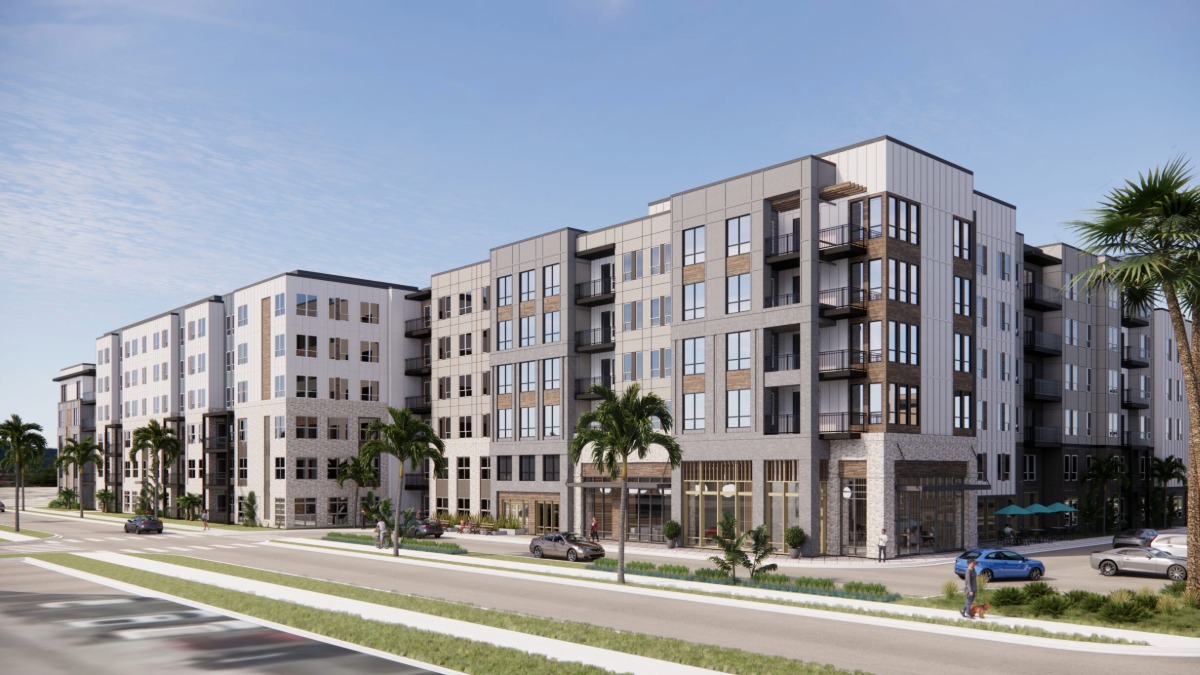
Landmark Properties has officially begun construction on The Mark Tampa, a six‑story luxury student community featuring over 800 beds, rooftop amenities, study spaces, retail, and modern unit layouts. Set to open before the 2027–2028 school year, the project signals strong investor confidence in North Tampa’s booming student housing market.

Florida’s Insurance Costs Erupt Into a 2026 Election Flashpoint

Florida’s property and auto insurance crisis is intensifying, setting the stage for a major political showdown ahead of the 2026 elections. Republicans argue recent reforms are finally stabilizing the market, while Democrats insist families are being crushed by soaring premiums and can’t wait for relief. With homeowners, condo associations, and insurers all feeling the pressure, lawmakers are preparing for one of the most consequential legislative battles in years.

A December Fed Cut Could Be Coming — But Don’t Expect Mortgage Rates to Drop

Markets are betting heavily on a Federal Reserve rate cut in December, but that doesn’t guarantee lower mortgage rates. Even with an 85% chance of a cut priced in, mortgage rates move more with the 10‑year Treasury than the Fed itself — and recent history shows rates can rise even when the Fed eases. Today’s 6.43% average rate is the lowest in over a year, but still unpredictable, making financial readiness more important than trying to time the market.

Grand Junction’s Commercial Real Estate Market Surges 36% as New Chains Fuel Regional Growth

Grand Junction is experiencing a powerful commercial real estate upswing, with 151 commercial units closed so far in 2025—a 36% jump from last year. Building permits are also up 23%, signaling expanding development momentum. Brokers say interest from national chains is accelerating the city’s evolution, bringing jobs, investment, and long‑term economic potential to Colorado’s Western Slope.

Nashville Ranks #6 in Emerging Trends in Real Estate 2026 Report

Nashville continues its rise as one of the nation’s most attractive real estate markets, landing the #6 spot in the Emerging Trends in Real Estate 2026 report from PwC and ULI. With strong demographic momentum, business expansion, and a development pipeline drawing national eyes, the city stands out amid shifting economic conditions. The report highlights fast‑growing sectors such as data centers, senior housing, and evolving office dynamics—offering real estate professionals valuable insight into where opportunities are emerging next.

CRE This Week: The Key Trends Reshaping Canada’s Commercial Real Estate Market in 2025

Canada’s commercial real estate sector continues to evolve rapidly, with new data revealing major transactions, shifting investment patterns, and emerging economic signals across the country. From resilient retail spending to cooling construction and regional standouts like Montreal and the Prairies, this week’s CRE pulse—powered by Altus Group’s research team—gives real estate, mortgage, and finance professionals a sharp snapshot of the market forces to watch as 2025 winds down.