How Bluerate.ai Is Reshaping the Mortgage Experience With AI
If you’re a mortgage or real estate professional grabbing your morning coffee, there’s a new fintech name shaking up 2025. Bluerate.ai—formerly MyMortgageRates—has re‑entered the market with a bold mission: to modernize a mortgage process that has barely evolved in decades.
Created by Zeitro, this modern platform packs innovative AI tools that radically simplify home lending for both borrowers and loan officers. And in today’s increasingly digital and fast-paced lending environment, platforms like Bluerate.ai are quickly becoming must‑know essentials for anyone in the mortgage world.
Automation Meets Accessibility
Bluerate.ai solves three of the industry’s biggest headaches: limited access to experienced loan officers, dense compliance rules, and slow, outdated manual processes. By weaving AI into the workflow, the platform slashes friction, time, and confusion from nearly every step.
Borrowers Get:
• Online pre-qualification
• Streamlined digital 1003 application
• Automated FNM 3.4 data extraction
• Real-time DTI calculations
• Helpful calculators, like HELOC payment estimators
Loan Officers Get:
• GuidelineGPT for instant answers to complex lending rules
• Scenario AI for lightning-fast qualification scenarios
• Automatic doc handling + data extraction
• Faster file prep for underwriting
The result? Dramatically lower manual workload and smoother closings. And for professionals leveling up their careers, platforms like Bluerate.ai pair well with the foundational mortgage training offered through Cameron Academy’s licensing programs across all 50 states.
A Marketplace Connecting Borrowers and Professionals
More than 3,000 verified loan officers now use Bluerate.ai, all holding active NMLS certifications. Borrowers can filter by specialty, location, and loan type—creating more transparent and efficient connections.
The platform also provides real-time rate data from nearly 30 major lenders. By entering details like down payment, income, and credit score, users receive customized, side-by-side mortgage rate comparisons before ever speaking with an officer.
Speed, Clarity, and Full Visibility
Bluerate.ai integrates with major LOS systems, giving borrowers real-time tracking for the entire loan process. Pre‑qualifications are issued 2.5× faster, guideline research becomes instantaneous, and over seven hours of processing workload is saved per file.
How the Platform Works
Loan officers can build polished profiles, list credentials, set specialties, and manage client communication—all inside the platform. Borrowers can browse freely or create a free account to track application progress.
FAQs in a Snapshot
Is it free? Free for borrowers. Premium options for loan officers start at $8/month.
Is it secure? Yes—Bluerate.ai uses high‑level encryption and industry-standard cybersecurity.
Are loan officers verified? Every officer holds an active NMLS certification and undergoes additional vetting.
Is Bluerate.ai legitimate? Absolutely—fully compliant and widely recognized as a trusted digital mortgage platform.
The Future of Mortgage Technology
Bluerate.ai isn’t just a software upgrade—it’s a preview of the mortgage industry’s AI‑powered future. Automation, transparent rate shopping, verified professionals, and real-time loan tracking are now the expected standard.
And as the field evolves, Cameron Academy remains committed to equipping mortgage and real estate professionals with the education and licensing tools they need to thrive in a rapidly shifting landscape.
Getting licensed or staying ahead in your career can be a journey—but it doesn’t have to be overwhelming. Grab your favorite coffee or tea, take a moment to relax, and browse through our articles. Whether you’re just starting out or renewing your expertise, we’ve got tips, insights, and advice to keep you moving forward. Here’s to your success—one sip and one step at a time!
Redfin forecasts a slow but meaningful return to normalcy in the U.S. housing market starting in 2026. Instead of a crash or a rapid correction, the year marks the beginning of a “Great Housing Reset” where affordability gradually improves, mortgage rates ease into the low‑6% range, home sales tick upward, and renters, buyers, and professionals finally feel less market pressure. From wage growth outpacing home prices to rising refi activity and the rise of AI‑powered real estate tools, 2026 is shaping up to be a foundational year for real estate careers and long‑term market stability.
Hurricane Melissa’s destruction in Jamaica highlights a growing global reality: climate risks are accelerating faster than insurance adoption. With more than 90% of disaster losses in developing regions going uninsured and a worldwide protection gap exceeding $1.8 trillion annually, experts warn that traditional insurance systems can no longer keep up. New models—like parametric payouts, community‑based aggregation and bundled climate tools—are emerging, but governments and corporations must step in to prevent financial shocks from destabilizing entire economies.
Gravis Robotics, a Zurich-based startup, just raised $23 million to bring autonomous tech to construction sites facing a massive operator shortage. As demand surges for renewable energy projects, data centers, and new housing, Gravis retrofits traditional heavy machinery with AI-driven systems that can work autonomously or via remote guidance. With trials already underway across seven countries, the company is pushing a future where humans and robots collaborate — speeding up development timelines and reshaping industries from construction to real estate.
Zillow has quietly removed its climate‑risk scores after months of pressure from agents, homeowners, and listing services who said the warnings were scaring off buyers. The move has sparked a national debate: Is this a win for real estate sales or a setback for consumer transparency? Critics warn that without clear climate‑risk data, families could be “flying blind” into costly surprises like insurance spikes and flood damage. As climate impacts intensify and disclosure expectations rise, real estate professionals must stay informed—because whether Zillow shows the data or not, the risks aren’t going anywhere.
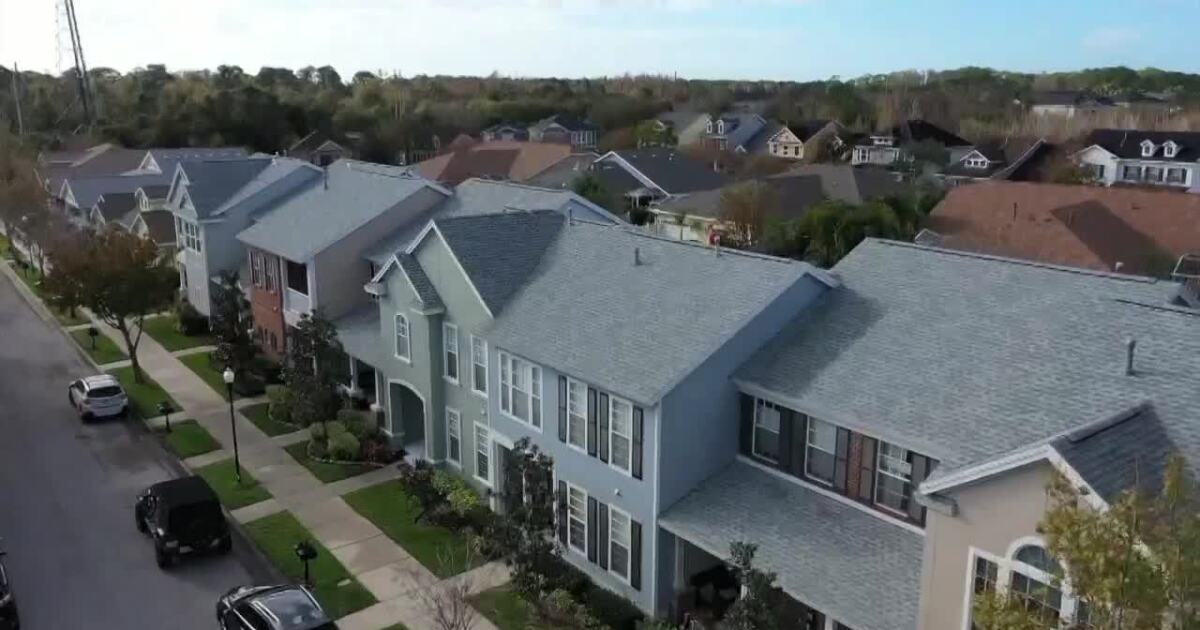
Florida’s property insurance crisis is becoming the defining issue heading into the 2026 election season. Republicans argue that recent reforms are finally stabilizing the market, pointing to reduced litigation and cooling reinsurance costs. Democrats counter that families are still facing unbearable premiums, with condo prices dropping over 8% and Floridians paying some of the highest insurance rates in the nation. As lawmakers prepare to return to Tallahassee, the future of insurance reform is set to become the central political fight—one that will directly impact homeowners, investors, and real estate professionals across the state.
Connectivity has become one of the most powerful differentiators in today’s real estate market. As smart buildings, automation, and sustainability demands accelerate, fiber networks are replacing outdated copper systems and reshaping property value. With lower energy use, unified smart‑building capabilities, reduced long‑term costs, and stronger tenant satisfaction, digital infrastructure is now central to investment strategy. Real estate professionals who understand this shift gain a competitive edge as the industry moves toward cleaner, smarter, more connected buildings.