Talking to Your Photos: How Chat AI Is Transforming Real Estate Listings

Modern real estate technology conference room

In today’s real estate market, first impressions happen long before a buyer or renter ever steps foot in a property. A single photo can spark immediate interest—or shut it down entirely. With tight turnover schedules and units that aren’t always camera-ready, capturing the perfect shot has always been one of the industry’s biggest marketing challenges.

But a new wave of chat-based AI tools is rewriting that process entirely. Instead of waiting for vacant units, professional stagers, or post-renovation cleanup, agents can now edit listing photos simply by describing what they want changed. Brighten the kitchen. Remove the old couch. Repaint the walls. Declutter the bedroom. All achievable through natural language prompts.

Source Spotlight: This trend was showcased in a powerful Propmodo feature exploring how chat-driven AI is reshaping real estate marketing from the ground up.

The Psychology Behind Better Listing Photos

“We all have an anchoring bias. My brain tells me that I don’t like a property based on the photos even if we know that the ugly furniture will be gone or the unit will be repainted,” explained Brian Mitchell, VP of Business Operations and Strategy at Bounti.ai.

Bad photos have long been silent deal-breakers. Dim lighting, clutter, odd furniture, or unfinished spaces can cause someone to scroll past a listing within seconds. Chat-based AI solves that problem by helping agents present a property’s true potential—before it’s fully ready for visitors.

Efficiency Gains for Busy Property Managers

For managers overseeing large multifamily portfolios, this technology isn’t just a perk—it’s a workflow revolution. Physical staging rarely makes sense for rentals, but AI-powered virtual staging does.

Agents can now generate polished, consistent visuals across multiple identical units, helping listings hit the market faster while still looking move-in ready. One clean photo set can be edited and reused across dozens of floor plans, boosting both efficiency and perceived value.

Letting Renters Interact With the Space

Some companies are pushing innovation even further. Mitchell notes that firms like TCS Management are experimenting with embedding AI tools directly into their websites, letting renters or buyers adjust layouts, colors, and décor themselves.

This converts a passive listing scroll into an interactive design experience. Prospective tenants can visualize how their furniture fits or how their personal style transforms a room—deepening emotional connection and often leading to more serious inquiries.

Honesty and Transparency Still Matter

Despite these powerful tools, ethical boundaries remain essential. “You shouldn’t change the physical structure of the space,” Mitchell warned. Enhancements should never mislead.

To maintain transparency, Bounti.ai incorporates automatic “edited” tags and a slider that reveals both versions. This builds trust—an invaluable currency in real estate marketing.

A Future Where AI Supports, Not Replaces, Real Estate Pros

Chat-driven photo editing stands among the most practical uses of generative AI in real estate today. It doesn’t replace agents—it empowers them to communicate more clearly, work faster, and present listings at their best.

For professionals entering or expanding in the industry, institutions like Cameron Academy continue preparing students to adapt and thrive in this fast-evolving marketplace.

The future belongs to those who understand how to use AI ethically and effectively. If you’re building—or leveling up—your real estate career, this is the perfect moment to stay informed, stay sharp, and stay ahead.

Chat AI isn’t just changing photos—it’s changing how properties are marketed, how prospects interact with listings, and how quickly deals progress. And for many agents, it’s becoming an indispensable tool for presenting listings with confidence and clarity.


More Articles

Getting licensed or staying ahead in your career can be a journey—but it doesn’t have to be overwhelming. Grab your favorite coffee or tea, take a moment to relax, and browse through our articles. Whether you’re just starting out or renewing your expertise, we’ve got tips, insights, and advice to keep you moving forward. Here’s to your success—one sip and one step at a time!

Why Today’s High Mortgage Rates Matter More Than Ever for the Housing Market

A growing share of American homeowners now carry mortgage rates above 5%—a dramatic shift that’s reshaping refinancing, inventory, and buyer behavior nationwide. With more than 30% of borrowers locked into rates over 5% and 20% above 6%, the market is split between owners holding on to low pandemic‑era loans and new buyers taking on higher‑rate mortgages. Federal efforts to push rates down could unlock millions of refinancing opportunities, while buyers see only modest monthly savings. For real estate professionals, understanding these rate dynamics is crucial as they increasingly drive inventory levels, affordability, and market activity.

CRE Deal Volume Dips in December, but Office Sector Stages an Unexpected Comeback

New Moody’s data shows commercial real estate deal volume slipped 20% in December, marking a second monthly decline. Yet the full year tells a different story: 2025 ended with a 17% gain, signaling a quiet but resilient recovery. The biggest surprise came from the office sector, which posted a 21% jump in activity as return‑to‑office trends and AI‑driven job growth boosted demand. Multifamily, retail, and alternative assets like data centers also saw strong momentum, giving real estate professionals a market full of fresh opportunities heading into 2026.

Florida Kicks Off 2026 With Major Auto Insurance Rate Cuts and Market Stability

Florida drivers and industry professionals are heading into 2026 with good news: auto insurance rates are dropping across the state as the market shows strong signs of stabilization. USAA leads the latest wave with a 7% average rate decrease expected in May 2026, saving members more than $125 million annually. They join several major insurers — including State Farm, Progressive, AAA, Allstate, and Florida Farm Bureau — all approving significant reductions. Officials credit recent legislative reforms, especially tort reform, for the improved loss ratios and renewed insurer confidence. With both auto and home insurance markets strengthening, Florida’s real estate, mortgage, and insurance professionals can expect more consumer confidence, smoother transactions, and expanding career opportunities.

The 2024 Housing Shortage: Why America Is Still 1.2 Million Homes Behind

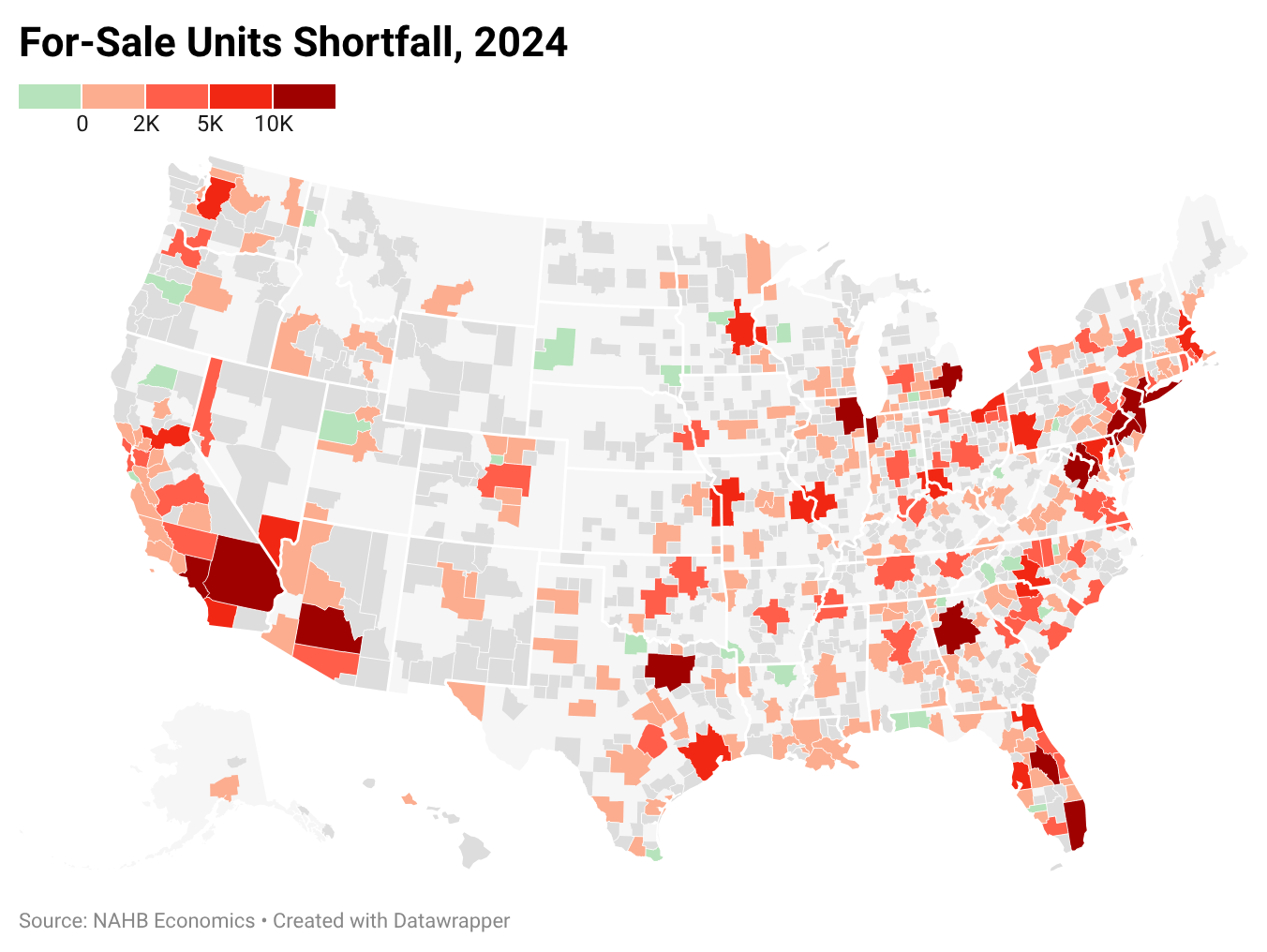
New data from Eye On Housing and the NAHB shows the U.S. remains short more than 1.2 million housing units, keeping pressure on both rents and home prices. Record‑low vacancy rates, slow single‑family construction, and restrictive zoning continue to fuel intense competition in 2024. Major metros like Chicago, New York, and Atlanta face some of the deepest deficits, and the true nationwide shortfall may be even higher when accounting for overcrowding and aging homes. For real estate professionals, the ongoing shortage means sustained demand, tighter inventory, and major opportunities for those who understand the evolving market.

AI Isn’t the Shiny Object Anymore — It’s the New System Driving Real Estate Success

Top real estate coach Jason Pantana says the divide between agents today isn’t about who has “tried” AI — it’s about who is immersed in it. In a new HousingWire interview, he explains why AI isn’t a gimmick but a full business system that amplifies output, improves authenticity, and reshapes how clients search for agents. From prompt mastery to AI‑driven visibility on Google, Pantana reveals how agents who commit even 15 minutes a day to learning AI are already outperforming those who hesitate.

DFW Commercial Real Estate 2025: Industrial Surges, Retail Shines, Office Struggles

Dallas–Fort Worth’s commercial real estate market closed 2025 with a split personality. Industrial dominated with massive new deliveries and soaring leasing demand, retail held steady with some of the market’s strongest fundamentals in years, and office continued to falter under remote‑work pressures. High vacancies, weak absorption, and rising demand for top‑tier space show the sector’s ongoing reset. Meanwhile, industrial and retail strength position the Metroplex for another powerhouse year heading into 2026.