Talking to Your Photos: How Chat AI Is Transforming Real Estate Listings

Modern real estate technology conference room

In today’s real estate market, first impressions happen long before a buyer or renter ever steps foot in a property. A single photo can spark immediate interest—or shut it down entirely. With tight turnover schedules and units that aren’t always camera-ready, capturing the perfect shot has always been one of the industry’s biggest marketing challenges.

But a new wave of chat-based AI tools is rewriting that process entirely. Instead of waiting for vacant units, professional stagers, or post-renovation cleanup, agents can now edit listing photos simply by describing what they want changed. Brighten the kitchen. Remove the old couch. Repaint the walls. Declutter the bedroom. All achievable through natural language prompts.

Source Spotlight: This trend was showcased in a powerful Propmodo feature exploring how chat-driven AI is reshaping real estate marketing from the ground up.

The Psychology Behind Better Listing Photos

“We all have an anchoring bias. My brain tells me that I don’t like a property based on the photos even if we know that the ugly furniture will be gone or the unit will be repainted,” explained Brian Mitchell, VP of Business Operations and Strategy at Bounti.ai.

Bad photos have long been silent deal-breakers. Dim lighting, clutter, odd furniture, or unfinished spaces can cause someone to scroll past a listing within seconds. Chat-based AI solves that problem by helping agents present a property’s true potential—before it’s fully ready for visitors.

Efficiency Gains for Busy Property Managers

For managers overseeing large multifamily portfolios, this technology isn’t just a perk—it’s a workflow revolution. Physical staging rarely makes sense for rentals, but AI-powered virtual staging does.

Agents can now generate polished, consistent visuals across multiple identical units, helping listings hit the market faster while still looking move-in ready. One clean photo set can be edited and reused across dozens of floor plans, boosting both efficiency and perceived value.

Letting Renters Interact With the Space

Some companies are pushing innovation even further. Mitchell notes that firms like TCS Management are experimenting with embedding AI tools directly into their websites, letting renters or buyers adjust layouts, colors, and décor themselves.

This converts a passive listing scroll into an interactive design experience. Prospective tenants can visualize how their furniture fits or how their personal style transforms a room—deepening emotional connection and often leading to more serious inquiries.

Honesty and Transparency Still Matter

Despite these powerful tools, ethical boundaries remain essential. “You shouldn’t change the physical structure of the space,” Mitchell warned. Enhancements should never mislead.

To maintain transparency, Bounti.ai incorporates automatic “edited” tags and a slider that reveals both versions. This builds trust—an invaluable currency in real estate marketing.

A Future Where AI Supports, Not Replaces, Real Estate Pros

Chat-driven photo editing stands among the most practical uses of generative AI in real estate today. It doesn’t replace agents—it empowers them to communicate more clearly, work faster, and present listings at their best.

For professionals entering or expanding in the industry, institutions like Cameron Academy continue preparing students to adapt and thrive in this fast-evolving marketplace.

The future belongs to those who understand how to use AI ethically and effectively. If you’re building—or leveling up—your real estate career, this is the perfect moment to stay informed, stay sharp, and stay ahead.

Chat AI isn’t just changing photos—it’s changing how properties are marketed, how prospects interact with listings, and how quickly deals progress. And for many agents, it’s becoming an indispensable tool for presenting listings with confidence and clarity.


More Articles

Getting licensed or staying ahead in your career can be a journey—but it doesn’t have to be overwhelming. Grab your favorite coffee or tea, take a moment to relax, and browse through our articles. Whether you’re just starting out or renewing your expertise, we’ve got tips, insights, and advice to keep you moving forward. Here’s to your success—one sip and one step at a time!

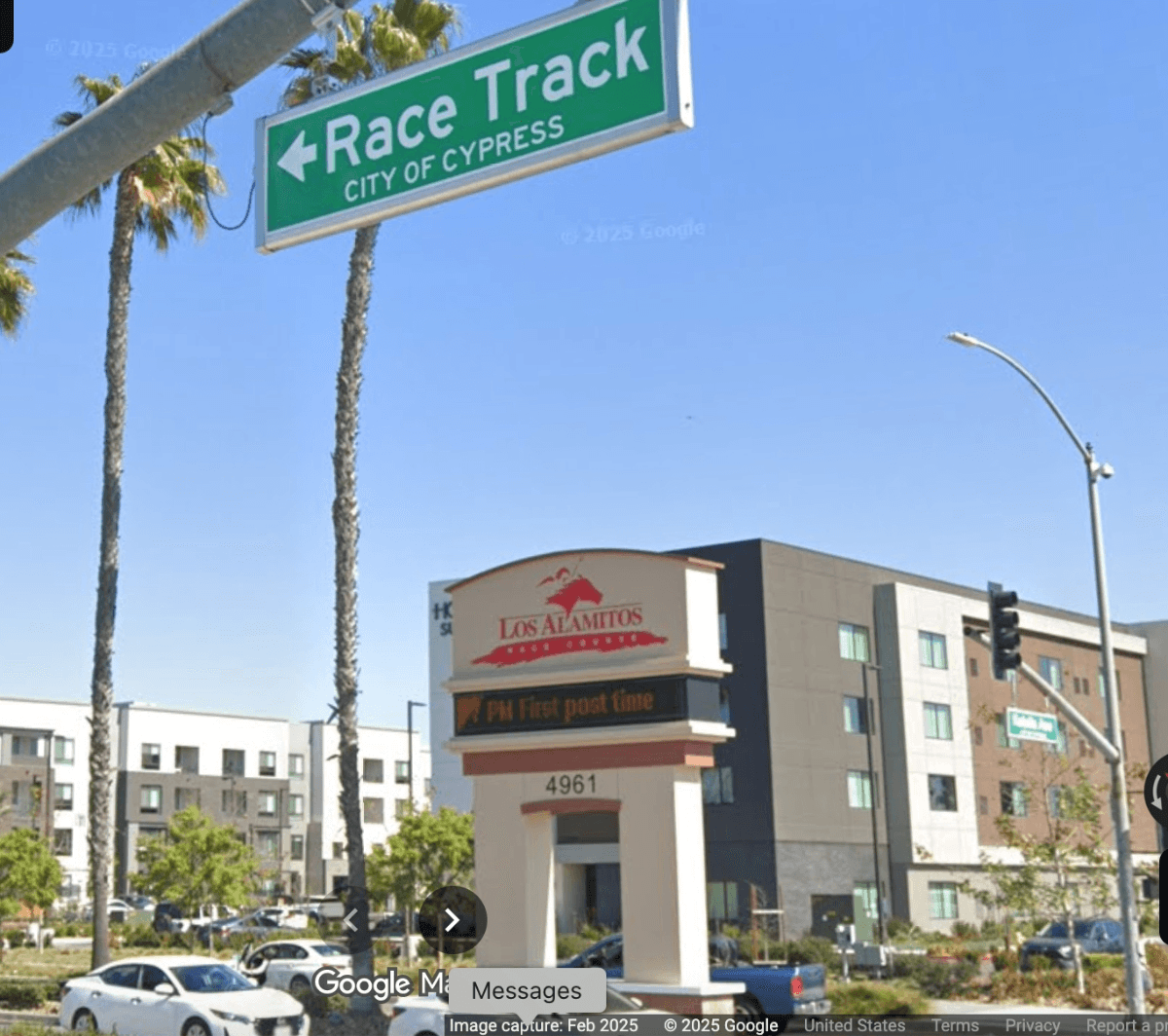
Los Alamitos at a Breaking Point After 18 Racehorse Deaths Spur Emergency Safety Demands

Los Alamitos Race Course is facing its most serious crisis in years after 18 horses died in 2025, prompting regulators to warn the track that its racing license is at risk without immediate safety reforms. Following three catastrophic injuries in a single day, the California Horse Racing Board has ordered urgent changes—including more veterinarians, stricter medication rules, and enhanced on‑track medical support—as pressure mounts for stronger oversight in a sport already under national scrutiny.

Why Canadian Investors Are Flooding U.S. Real Estate Despite Tariffs and Tensions

Canadian investors have poured more than US$5.8 billion into U.S. commercial real estate this year, making the U.S. their top destination even amid a lingering tariff dispute. Tight inventory in Canada and greater deal availability south of the border are driving the trend, with data centers and industrial properties emerging as the hottest targets for 2025.

Florida’s Insurance Chief Warns Homeowners: Most Don’t Understand Their Policies

Florida’s insurance commissioner says even industry pros struggle to read today’s 150‑page homeowners policies—leaving residents shocked when hurricane claims are denied. With rising premiums, high replacement costs, and widespread confusion over exclusions like flood and water damage, the state is pushing for simpler, clearer policy language so homeowners know what they’re actually covered for before the next storm hits.

Post‑Election Power Plays: How Major U.S. Cities Are Quietly Redrawing the Real Estate Map

Following the 2025 elections, major metros like New York, Chicago, Miami, Los Angeles, and Boston are implementing policy shifts that could reshape property values, rental income, development timelines, and investment strategy heading into 2026. From New York’s push toward aggressive rent reform to Chicago’s sustainability mandates and Miami’s uncertain mayoral runoff, these changes signal a new era where local politics increasingly dictate market performance. This breakdown highlights the biggest post‑election real estate pivots and what they mean for investors, agents, and finance professionals preparing for a rapidly evolving landscape.

Florida Insurance Boss Drops a Truth Bomb: Most Homeowners Have No Idea What They’re Actually Covered For

Florida’s Insurance Commissioner is sounding the alarm after thousands of homeowners discovered—only after hurricanes Helene and Milton—that the coverage they thought they had didn’t exist. With nearly 150,000 unpaid claims tied to misunderstood flood exclusions, water‑damage caps, and buried policy clauses, state leaders are pushing to simplify the dense, confusing documents most Floridians never read. As insurance costs remain one of the state’s top concerns, this growing complexity is creating a massive opportunity for real estate, mortgage, and insurance professionals to guide consumers before disaster strikes.

Florida’s Insurance “Fixes” Backfire as Homeowners Face Higher Costs and Riskier Insurers

Florida’s insurance market is reliving an old crisis under a new name. Despite reforms meant to stabilize the system, homeowners are being forced out of Citizens and into pricier policies from small insurers with shaky financial histories. Companies tied to past insolvencies are returning with fresh branding, while highly rated carriers continue to deny a majority of claims. With political influence muddying regulation and climate risks rising, experts warn that only a full structural overhaul—not cosmetic reforms—can restore confidence for homeowners, agents, and the entire real estate market.