Talking to Your Photos: How Chat AI Is Transforming Real Estate Listings

Modern real estate technology conference room

In today’s real estate market, first impressions happen long before a buyer or renter ever steps foot in a property. A single photo can spark immediate interest—or shut it down entirely. With tight turnover schedules and units that aren’t always camera-ready, capturing the perfect shot has always been one of the industry’s biggest marketing challenges.

But a new wave of chat-based AI tools is rewriting that process entirely. Instead of waiting for vacant units, professional stagers, or post-renovation cleanup, agents can now edit listing photos simply by describing what they want changed. Brighten the kitchen. Remove the old couch. Repaint the walls. Declutter the bedroom. All achievable through natural language prompts.

Source Spotlight: This trend was showcased in a powerful Propmodo feature exploring how chat-driven AI is reshaping real estate marketing from the ground up.

The Psychology Behind Better Listing Photos

“We all have an anchoring bias. My brain tells me that I don’t like a property based on the photos even if we know that the ugly furniture will be gone or the unit will be repainted,” explained Brian Mitchell, VP of Business Operations and Strategy at Bounti.ai.

Bad photos have long been silent deal-breakers. Dim lighting, clutter, odd furniture, or unfinished spaces can cause someone to scroll past a listing within seconds. Chat-based AI solves that problem by helping agents present a property’s true potential—before it’s fully ready for visitors.

Efficiency Gains for Busy Property Managers

For managers overseeing large multifamily portfolios, this technology isn’t just a perk—it’s a workflow revolution. Physical staging rarely makes sense for rentals, but AI-powered virtual staging does.

Agents can now generate polished, consistent visuals across multiple identical units, helping listings hit the market faster while still looking move-in ready. One clean photo set can be edited and reused across dozens of floor plans, boosting both efficiency and perceived value.

Letting Renters Interact With the Space

Some companies are pushing innovation even further. Mitchell notes that firms like TCS Management are experimenting with embedding AI tools directly into their websites, letting renters or buyers adjust layouts, colors, and décor themselves.

This converts a passive listing scroll into an interactive design experience. Prospective tenants can visualize how their furniture fits or how their personal style transforms a room—deepening emotional connection and often leading to more serious inquiries.

Honesty and Transparency Still Matter

Despite these powerful tools, ethical boundaries remain essential. “You shouldn’t change the physical structure of the space,” Mitchell warned. Enhancements should never mislead.

To maintain transparency, Bounti.ai incorporates automatic “edited” tags and a slider that reveals both versions. This builds trust—an invaluable currency in real estate marketing.

A Future Where AI Supports, Not Replaces, Real Estate Pros

Chat-driven photo editing stands among the most practical uses of generative AI in real estate today. It doesn’t replace agents—it empowers them to communicate more clearly, work faster, and present listings at their best.

For professionals entering or expanding in the industry, institutions like Cameron Academy continue preparing students to adapt and thrive in this fast-evolving marketplace.

The future belongs to those who understand how to use AI ethically and effectively. If you’re building—or leveling up—your real estate career, this is the perfect moment to stay informed, stay sharp, and stay ahead.

Chat AI isn’t just changing photos—it’s changing how properties are marketed, how prospects interact with listings, and how quickly deals progress. And for many agents, it’s becoming an indispensable tool for presenting listings with confidence and clarity.


More Articles

Getting licensed or staying ahead in your career can be a journey—but it doesn’t have to be overwhelming. Grab your favorite coffee or tea, take a moment to relax, and browse through our articles. Whether you’re just starting out or renewing your expertise, we’ve got tips, insights, and advice to keep you moving forward. Here’s to your success—one sip and one step at a time!

Malware Trends 2025: The New Era of Subscription‑Based Cybercrime

Cybercrime in 2025 has evolved into a full‑scale service economy, with malware now available through subscription platforms that operate like mainstream tech businesses. Bitsight’s latest analysis reveals explosive growth in Malware‑as‑a‑Service tools, rising attacks across industries like healthcare, finance, tech, and real estate, and a surge in cross‑platform malware and supply‑chain exploits. For professionals in any licensed field, the message is clear: today’s digital landscape demands heightened vigilance, stronger identity security, and proactive defense against an increasingly organized underground threat environment.

The Proptech Revolution: How Gllit Is Making Real Estate Transactions as Simple as Booking a Flight

A new proptech startup in the UAE, Gllit is redefining how property deals happen by removing agents, eliminating commissions, and integrating AI tools that let users create professional listings in seconds. With a fast, transparent, and direct-to-owner model, Gllit offers a glimpse into the future of global real estate — and a powerful case study for U.S. professionals preparing for tech-driven changes in the industry.

2026 Housing Market Outlook: What Buyers, Renters, and Agents Need to Know

The 2026 housing market is shaping up to be a year of stability with a few surprises. Mortgage rates are expected to hold steady, home price growth is slowing, and yet ownership costs continue to rise due to soaring taxes and insurance. Meanwhile, renting is becoming more attractive as affordability improves and built‑to‑rent communities expand. This breakdown highlights the biggest trends ahead — and what they mean for buyers, sellers, and real estate professionals, especially in Florida.

Florida Homeowners Slammed by Soaring Insurance Costs as Lawmakers Push for Major Reform

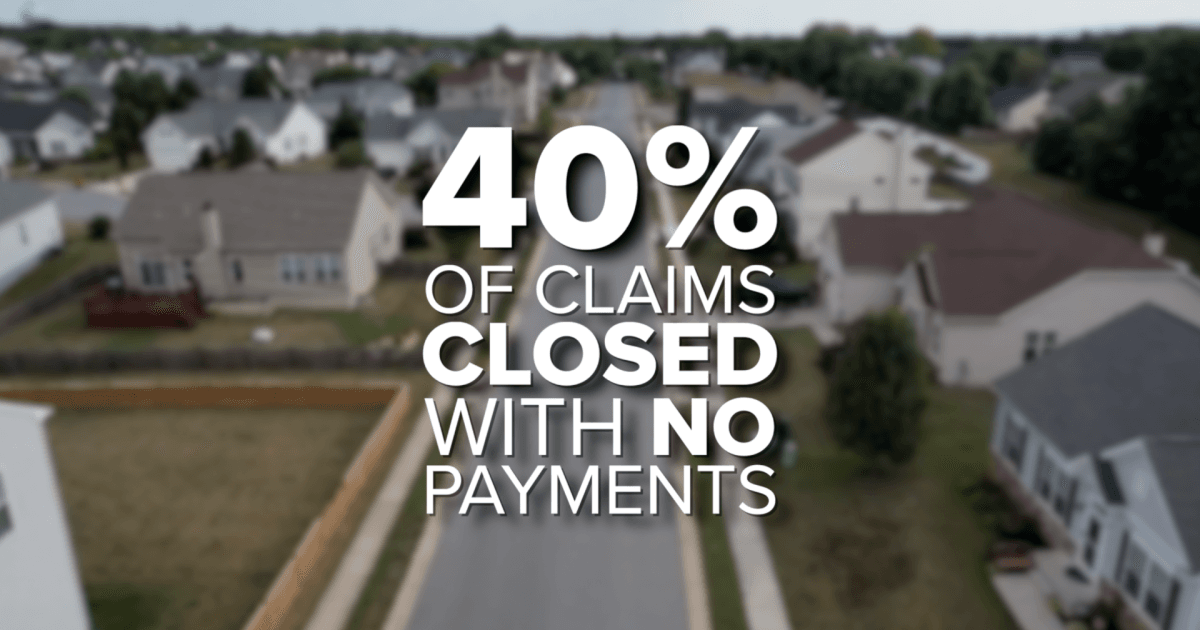
Florida homeowners are facing some of the highest insurance premiums in the nation, with average costs now topping $5,800 per year—about $3,000 above the U.S. average. Many residents report their rates have doubled or even tripled, while more than 40 percent of claims are closed with no payment. As frustration grows, state lawmakers and consumer advocates are pushing for transparency, rate caps, and incentives to help storm‑proof homes. The outcome of these reform efforts could reshape Florida’s real estate market, insurance landscape, and affordability for years to come.

Are Insurance Leaders Stuck in Silos? New Global Study Exposes a Hidden Weakness in Decision‑Making

A new global study from Risk.net and SAS reveals that many insurance companies are still making key decisions in isolated silos, despite industry-wide pushes toward data-driven strategies. While most leaders claim to have a clear vision, 38 percent admit they lack a real-time view of risks, revenue and costs. With poor data quality, limited collaboration and outdated processes holding teams back, experts say the industry is poised for a major transformation through AI, analytics and unified strategy—offering lessons for professionals across insurance, real estate, finance and other regulated fields.

Atlanta Housing Market Outlook 2025–2026: Stability, Rising Inventory, and What It Means for You

Atlanta’s housing market is shifting into a more balanced and predictable phase. Prices have leveled off, inventory has finally caught up, and mortgage rates are easing enough to bring buyers back into the game. With steady demand, growing listings, and only mild price corrections forecasted into 2026, Atlanta remains one of the Southeast’s strongest real estate markets for buyers, sellers, and investors alike.