How Chat‑Based AI Is Rewriting Real Estate Listings

Modern office conference room

Imagine describing your ideal listing photo the same way you’d describe a latte order—quick, casual, and perfectly tailored. That’s exactly what today’s chat‑based AI tools are bringing to real estate marketing. Agents can now remove furniture, brighten rooms, declutter, repaint walls, and even virtually stage a space using nothing more than a simple text prompt. No advanced software. No scheduling. No waiting on contractors.

This shift is more than just convenience. In an industry where first impressions determine whether a property gets clicks—or gets ignored—photo quality is everything. A unit with harsh lighting or outdated décor can linger on the market. One that looks polished can draw interest within hours. With chat‑AI photo editing, agents and property managers can now bridge that gap instantly.

Faster Turnover, Stronger First Impressions

According to Propmodo, companies like Bounti.ai are leading this transformation by letting users edit photos conversationally. Brian Mitchell, the company’s VP of Business Operations and Strategy, points out that buyers and renters often judge a property emotionally before rationally. If the photos look off, the opportunity is gone—sometimes before they even read the description.

With chat‑AI enhancing photos in seconds, professionals can now showcase a unit’s true potential even if the tenant hasn’t moved out or the paint hasn’t dried. For sweeping multifamily portfolios, this means consistent visuals and rapid listing deployment—key advantages when managing dozens or hundreds of near‑identical units.

Turning Passive Browsers Into Active Participants

Some adopters are taking things a step further. Property managers like TCS Management are integrating interactive AI photo tools directly into their websites, letting visitors test out paint colors, rearrange layouts, and visualize their own furniture—before ever stepping inside. This transforms browsing from passive scrolling to active imagining, creating a deeper emotional connection with the space.

For landlords, that means fewer casual inquiries and more motivated prospects who already “see” themselves living there.

Ethical Lines and Transparent Editing

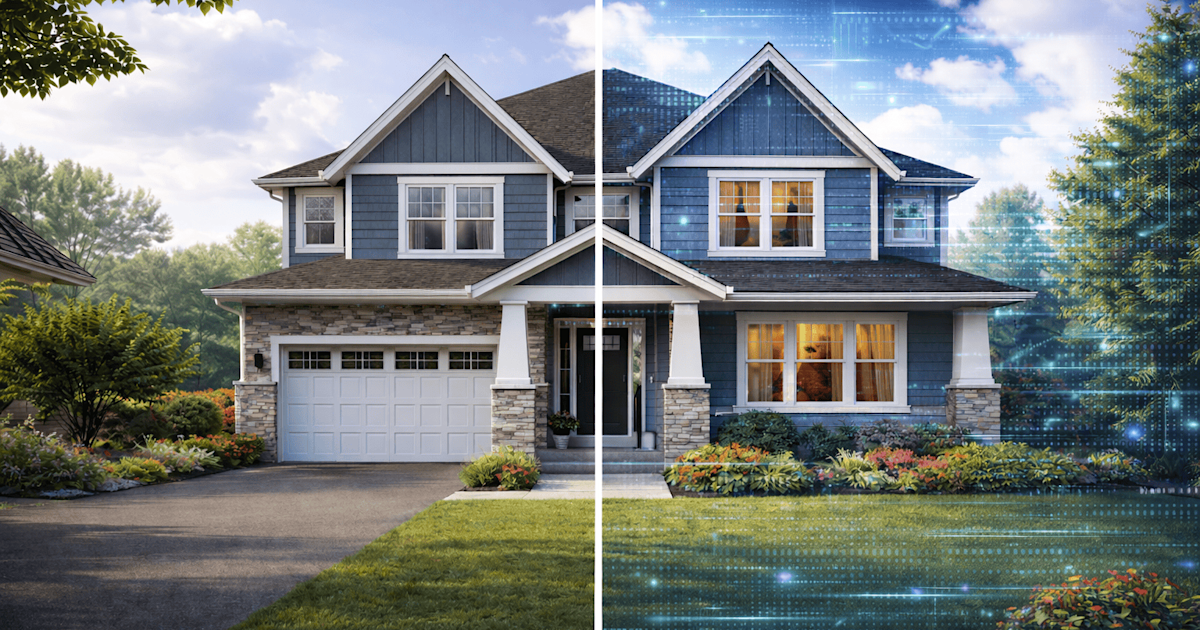
With new power comes new responsibility. Mitchell emphasizes the importance of maintaining truth in advertising. Editing out clutter or overlaying fresh paint is fine. Altering structural features? Not so much. To prevent misleading visuals, Bounti.ai includes automatic “edited” tags and a before‑and‑after slider so viewers can distinguish enhancements from reality.

Transparency isn’t just ethical—it protects trust, credibility, and long‑term brand reputation, especially in real estate.

Why This Matters for Real Estate Professionals

The rise of AI‑driven photo editing doesn’t replace the human touch; it elevates it. Professionals still guide clients, set expectations, and understand what details truly matter. But now they can move faster, market smarter, and present properties more clearly than ever before.

For those pursuing or renewing their real estate license through institutions like Cameron Academy, understanding these new tools is rapidly becoming part of modern marketing literacy. Agents who embrace technology early often outperform those who wait—because they meet customers where they already are: online, scrolling, and deciding within seconds.

As the industry continues evolving, one thing is clear—chat‑based AI is no fad. It’s becoming a foundational tool for showcasing properties honestly, efficiently, and beautifully.

And all it takes is a conversation.

More Articles

Getting licensed or staying ahead in your career can be a journey—but it doesn’t have to be overwhelming. Grab your favorite coffee or tea, take a moment to relax, and browse through our articles. Whether you’re just starting out or renewing your expertise, we’ve got tips, insights, and advice to keep you moving forward. Here’s to your success—one sip and one step at a time!

Florida’s Property Insurance Crisis Reaches Breaking Point as Lawmakers Hit Pause

Florida now leads the nation in property insurance costs, with many homeowners paying more than $10,000 a year for shrinking coverage and higher deductibles. Despite nearly half of hurricane‑related claims ending with no payout and appeals failing over 90% of the time, state leaders say reforms “need more time to work.” With key relief bills stalled and real estate professionals feeling the shockwaves, experts warn that legislative inaction is deepening a crisis that threatens homeownership and the state’s economic stability.

A Time of Reckoning for Commercial Real Estate

Banks are finally calling in billions tied to troubled commercial real estate loans, pushing delinquency rates to historic highs and ending years of “extend and pretend.” With more than 12% of office loans now delinquent and $875 billion in commercial debt maturing in 2026, regional banks and property owners are facing mounting pressure. As valuations drop and refinancing becomes harder, experts warn that tighter lending standards and broader economic ripple effects are on the horizon—making strategic preparation essential for today’s real estate and finance professionals.

Florida Ends FIGA’s 1% Insurance Assessment Two Years Early

Florida policyholders are getting rare good news: the Florida Insurance Guaranty Association is ending its 1% emergency insurance assessment on October 1—two years ahead of schedule. The decision follows a calmer hurricane season, fewer insurer insolvencies, and growing market stability. The early termination is expected to save Floridians up to $650 million, with the average homeowner seeing about $31 in annual savings. This marks another milestone in the state’s insurance market recovery after major legislative reforms in 2022 and 2023.

The Moment Real Estate Realized AI Isn’t a Toy Anymore

The real estate industry has officially moved past its AI honeymoon phase. What began as a fun, optional tool has quietly become the backbone of how agents create content, communicate with clients, and market properties. But with that shift comes rising concern about authenticity, legal risks, and whether consumers will start questioning what they’re really paying agents for. As AI blends into everything from listing descriptions to client advice, professionals now face a new challenge: proving the human value behind the technology.

Commercial Real Estate Is Finally Turning Around: Why 2026 Could Be the Big Rebound Year

After years of volatility, industry analysts say commercial real estate may finally be on the verge of a major comeback. Investment activity is rising, leasing demand is strengthening, and key cities like Manhattan are leading a broader national recovery. With vacancy rates expected to drop and high‑quality buildings outperforming the rest, 2026 is shaping up to be the turning point investors and professionals have been waiting for.

Rising Costs and Slower Premium Growth Signal a Tougher 2026 for P/C Insurance

AM Best warns that the property and casualty insurance market is heading into a more challenging 2026 as premium growth slows, inflation drives up claims costs, and combined ratios rise. Despite a strong 2025, moderating rates, higher repair and construction expenses, and ongoing reserve deficiencies are pressuring profitability. While commercial lines and personal lines both feel the strain, the E&S market continues to expand as traditional carriers pull back. This shifting landscape highlights the need for insurance professionals to stay sharp, informed, and adaptable.