How Chat‑Based AI Is Rewriting Real Estate Listings

Modern office conference room

Imagine describing your ideal listing photo the same way you’d describe a latte order—quick, casual, and perfectly tailored. That’s exactly what today’s chat‑based AI tools are bringing to real estate marketing. Agents can now remove furniture, brighten rooms, declutter, repaint walls, and even virtually stage a space using nothing more than a simple text prompt. No advanced software. No scheduling. No waiting on contractors.

This shift is more than just convenience. In an industry where first impressions determine whether a property gets clicks—or gets ignored—photo quality is everything. A unit with harsh lighting or outdated décor can linger on the market. One that looks polished can draw interest within hours. With chat‑AI photo editing, agents and property managers can now bridge that gap instantly.

Faster Turnover, Stronger First Impressions

According to Propmodo, companies like Bounti.ai are leading this transformation by letting users edit photos conversationally. Brian Mitchell, the company’s VP of Business Operations and Strategy, points out that buyers and renters often judge a property emotionally before rationally. If the photos look off, the opportunity is gone—sometimes before they even read the description.

With chat‑AI enhancing photos in seconds, professionals can now showcase a unit’s true potential even if the tenant hasn’t moved out or the paint hasn’t dried. For sweeping multifamily portfolios, this means consistent visuals and rapid listing deployment—key advantages when managing dozens or hundreds of near‑identical units.

Turning Passive Browsers Into Active Participants

Some adopters are taking things a step further. Property managers like TCS Management are integrating interactive AI photo tools directly into their websites, letting visitors test out paint colors, rearrange layouts, and visualize their own furniture—before ever stepping inside. This transforms browsing from passive scrolling to active imagining, creating a deeper emotional connection with the space.

For landlords, that means fewer casual inquiries and more motivated prospects who already “see” themselves living there.

Ethical Lines and Transparent Editing

With new power comes new responsibility. Mitchell emphasizes the importance of maintaining truth in advertising. Editing out clutter or overlaying fresh paint is fine. Altering structural features? Not so much. To prevent misleading visuals, Bounti.ai includes automatic “edited” tags and a before‑and‑after slider so viewers can distinguish enhancements from reality.

Transparency isn’t just ethical—it protects trust, credibility, and long‑term brand reputation, especially in real estate.

Why This Matters for Real Estate Professionals

The rise of AI‑driven photo editing doesn’t replace the human touch; it elevates it. Professionals still guide clients, set expectations, and understand what details truly matter. But now they can move faster, market smarter, and present properties more clearly than ever before.

For those pursuing or renewing their real estate license through institutions like Cameron Academy, understanding these new tools is rapidly becoming part of modern marketing literacy. Agents who embrace technology early often outperform those who wait—because they meet customers where they already are: online, scrolling, and deciding within seconds.

As the industry continues evolving, one thing is clear—chat‑based AI is no fad. It’s becoming a foundational tool for showcasing properties honestly, efficiently, and beautifully.

And all it takes is a conversation.

More Articles

Getting licensed or staying ahead in your career can be a journey—but it doesn’t have to be overwhelming. Grab your favorite coffee or tea, take a moment to relax, and browse through our articles. Whether you’re just starting out or renewing your expertise, we’ve got tips, insights, and advice to keep you moving forward. Here’s to your success—one sip and one step at a time!

Why Today’s High Mortgage Rates Matter More Than Ever for the Housing Market

A growing share of American homeowners now carry mortgage rates above 5%—a dramatic shift that’s reshaping refinancing, inventory, and buyer behavior nationwide. With more than 30% of borrowers locked into rates over 5% and 20% above 6%, the market is split between owners holding on to low pandemic‑era loans and new buyers taking on higher‑rate mortgages. Federal efforts to push rates down could unlock millions of refinancing opportunities, while buyers see only modest monthly savings. For real estate professionals, understanding these rate dynamics is crucial as they increasingly drive inventory levels, affordability, and market activity.

CRE Deal Volume Dips in December, but Office Sector Stages an Unexpected Comeback

New Moody’s data shows commercial real estate deal volume slipped 20% in December, marking a second monthly decline. Yet the full year tells a different story: 2025 ended with a 17% gain, signaling a quiet but resilient recovery. The biggest surprise came from the office sector, which posted a 21% jump in activity as return‑to‑office trends and AI‑driven job growth boosted demand. Multifamily, retail, and alternative assets like data centers also saw strong momentum, giving real estate professionals a market full of fresh opportunities heading into 2026.

Florida Kicks Off 2026 With Major Auto Insurance Rate Cuts and Market Stability

Florida drivers and industry professionals are heading into 2026 with good news: auto insurance rates are dropping across the state as the market shows strong signs of stabilization. USAA leads the latest wave with a 7% average rate decrease expected in May 2026, saving members more than $125 million annually. They join several major insurers — including State Farm, Progressive, AAA, Allstate, and Florida Farm Bureau — all approving significant reductions. Officials credit recent legislative reforms, especially tort reform, for the improved loss ratios and renewed insurer confidence. With both auto and home insurance markets strengthening, Florida’s real estate, mortgage, and insurance professionals can expect more consumer confidence, smoother transactions, and expanding career opportunities.

The 2024 Housing Shortage: Why America Is Still 1.2 Million Homes Behind

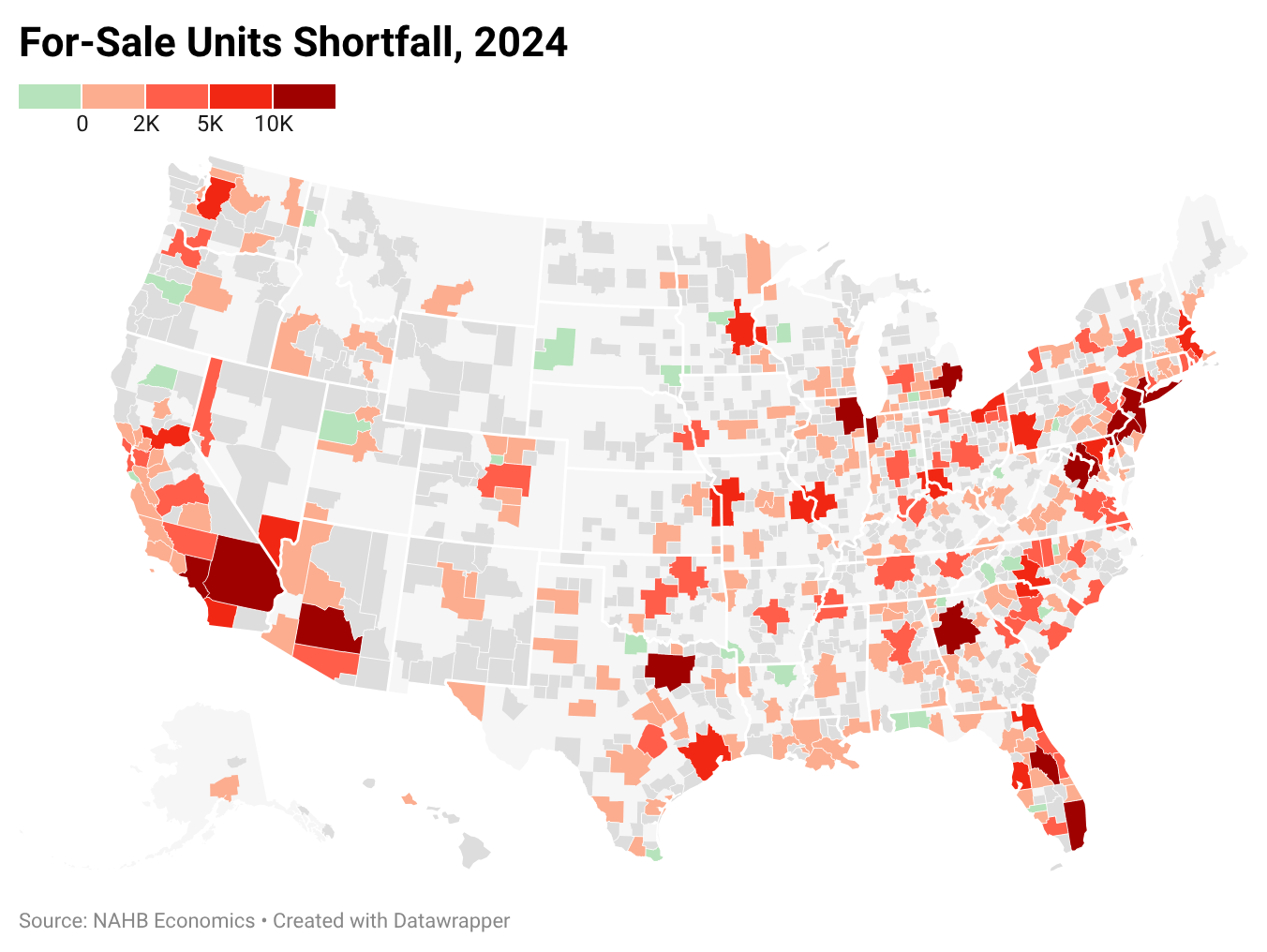
New data from Eye On Housing and the NAHB shows the U.S. remains short more than 1.2 million housing units, keeping pressure on both rents and home prices. Record‑low vacancy rates, slow single‑family construction, and restrictive zoning continue to fuel intense competition in 2024. Major metros like Chicago, New York, and Atlanta face some of the deepest deficits, and the true nationwide shortfall may be even higher when accounting for overcrowding and aging homes. For real estate professionals, the ongoing shortage means sustained demand, tighter inventory, and major opportunities for those who understand the evolving market.

AI Isn’t the Shiny Object Anymore — It’s the New System Driving Real Estate Success

Top real estate coach Jason Pantana says the divide between agents today isn’t about who has “tried” AI — it’s about who is immersed in it. In a new HousingWire interview, he explains why AI isn’t a gimmick but a full business system that amplifies output, improves authenticity, and reshapes how clients search for agents. From prompt mastery to AI‑driven visibility on Google, Pantana reveals how agents who commit even 15 minutes a day to learning AI are already outperforming those who hesitate.

DFW Commercial Real Estate 2025: Industrial Surges, Retail Shines, Office Struggles

Dallas–Fort Worth’s commercial real estate market closed 2025 with a split personality. Industrial dominated with massive new deliveries and soaring leasing demand, retail held steady with some of the market’s strongest fundamentals in years, and office continued to falter under remote‑work pressures. High vacancies, weak absorption, and rising demand for top‑tier space show the sector’s ongoing reset. Meanwhile, industrial and retail strength position the Metroplex for another powerhouse year heading into 2026.