How Chat‑Based AI Is Rewriting Real Estate Listings

Modern office conference room

Imagine describing your ideal listing photo the same way you’d describe a latte order—quick, casual, and perfectly tailored. That’s exactly what today’s chat‑based AI tools are bringing to real estate marketing. Agents can now remove furniture, brighten rooms, declutter, repaint walls, and even virtually stage a space using nothing more than a simple text prompt. No advanced software. No scheduling. No waiting on contractors.

This shift is more than just convenience. In an industry where first impressions determine whether a property gets clicks—or gets ignored—photo quality is everything. A unit with harsh lighting or outdated décor can linger on the market. One that looks polished can draw interest within hours. With chat‑AI photo editing, agents and property managers can now bridge that gap instantly.

Faster Turnover, Stronger First Impressions

According to Propmodo, companies like Bounti.ai are leading this transformation by letting users edit photos conversationally. Brian Mitchell, the company’s VP of Business Operations and Strategy, points out that buyers and renters often judge a property emotionally before rationally. If the photos look off, the opportunity is gone—sometimes before they even read the description.

With chat‑AI enhancing photos in seconds, professionals can now showcase a unit’s true potential even if the tenant hasn’t moved out or the paint hasn’t dried. For sweeping multifamily portfolios, this means consistent visuals and rapid listing deployment—key advantages when managing dozens or hundreds of near‑identical units.

Turning Passive Browsers Into Active Participants

Some adopters are taking things a step further. Property managers like TCS Management are integrating interactive AI photo tools directly into their websites, letting visitors test out paint colors, rearrange layouts, and visualize their own furniture—before ever stepping inside. This transforms browsing from passive scrolling to active imagining, creating a deeper emotional connection with the space.

For landlords, that means fewer casual inquiries and more motivated prospects who already “see” themselves living there.

Ethical Lines and Transparent Editing

With new power comes new responsibility. Mitchell emphasizes the importance of maintaining truth in advertising. Editing out clutter or overlaying fresh paint is fine. Altering structural features? Not so much. To prevent misleading visuals, Bounti.ai includes automatic “edited” tags and a before‑and‑after slider so viewers can distinguish enhancements from reality.

Transparency isn’t just ethical—it protects trust, credibility, and long‑term brand reputation, especially in real estate.

Why This Matters for Real Estate Professionals

The rise of AI‑driven photo editing doesn’t replace the human touch; it elevates it. Professionals still guide clients, set expectations, and understand what details truly matter. But now they can move faster, market smarter, and present properties more clearly than ever before.

For those pursuing or renewing their real estate license through institutions like Cameron Academy, understanding these new tools is rapidly becoming part of modern marketing literacy. Agents who embrace technology early often outperform those who wait—because they meet customers where they already are: online, scrolling, and deciding within seconds.

As the industry continues evolving, one thing is clear—chat‑based AI is no fad. It’s becoming a foundational tool for showcasing properties honestly, efficiently, and beautifully.

And all it takes is a conversation.

More Articles

Getting licensed or staying ahead in your career can be a journey—but it doesn’t have to be overwhelming. Grab your favorite coffee or tea, take a moment to relax, and browse through our articles. Whether you’re just starting out or renewing your expertise, we’ve got tips, insights, and advice to keep you moving forward. Here’s to your success—one sip and one step at a time!

The Mortgage Industry’s AI Transformation: Automation Reshapes Lending From Application to Approval

Artificial intelligence is rapidly reshaping the mortgage industry, boosting productivity, reducing manual work, and accelerating loan closings. From automated document data extraction to AI‑generated underwriting narratives and predictive analytics, lenders are using new tools that improve accuracy and drastically speed up processing times. With chatbots, next‑gen point‑of‑sale systems, and end‑to‑end automation, preapprovals that once took days now take minutes. For mortgage and real estate professionals, mastering AI is becoming a major competitive advantage—one that defines who will thrive in the future of lending.

Why Your Insurance Bill Is Rising Even as Florida Rates Go Down

Florida’s property insurance rates are finally starting to drop, but many homeowners are still seeing higher monthly bills. The reason isn’t insurer price hikes—it’s soaring replacement costs driven by construction inflation, labor shortages, and rising home values. Nearly 75 percent of recent premium increases came from higher property values alone. Understanding this gap between “rates” and “premiums” helps homeowners—and real estate and insurance professionals—navigate the shifting Florida market and make smarter coverage decisions.

Milwaukee’s Commercial Real Estate Market Turns a Corner

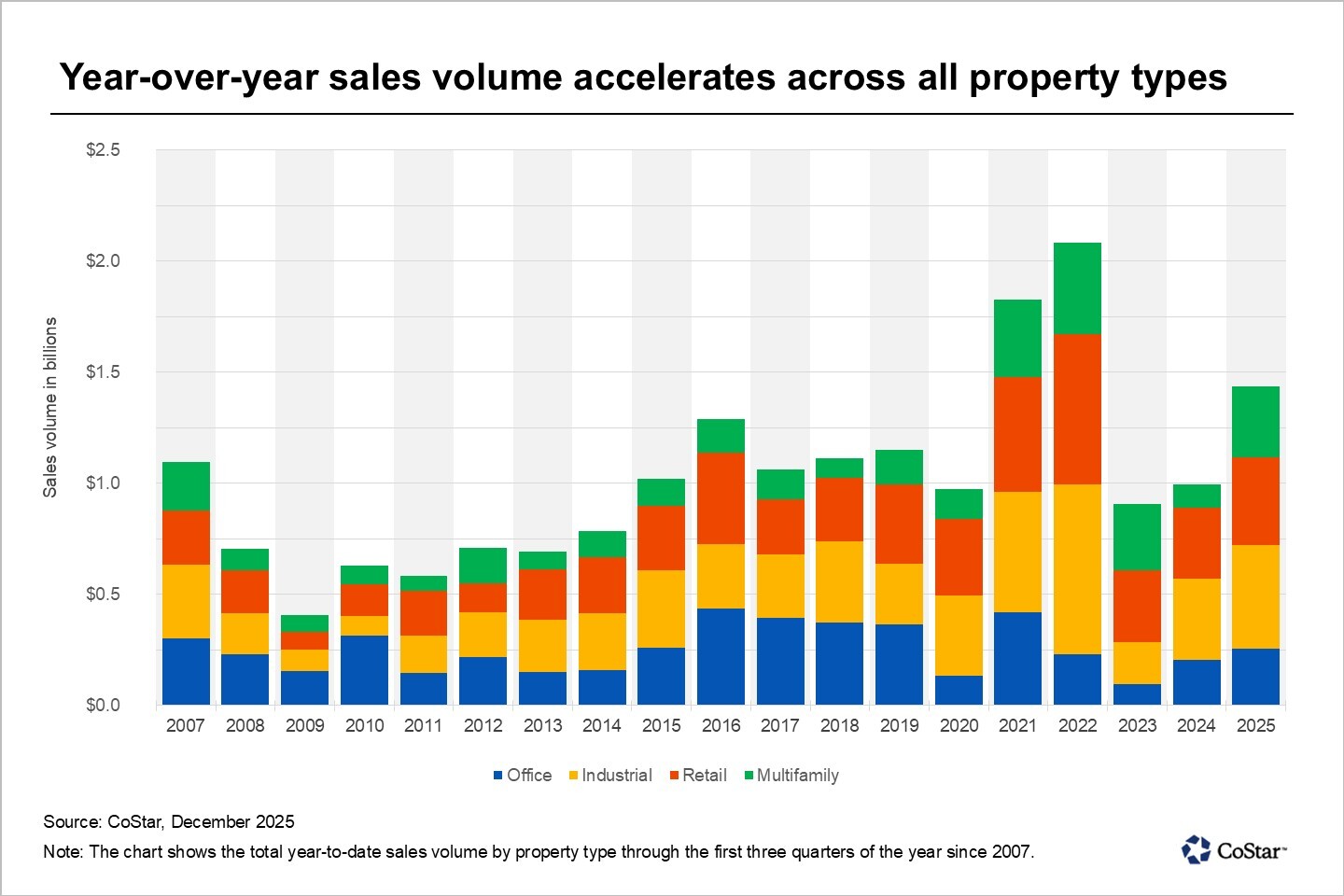
Milwaukee’s commercial real estate market is finally showing real signs of recovery, with 2025 sales volume hitting a three‑year high and investor confidence steadily returning. Driven by selective, fundamentals‑focused buying—favoring strong cash flow, quality assets, and strategic pricing—the city is moving from a period of correction into a healthier, opportunity‑rich phase. For real estate professionals nationwide, Milwaukee’s momentum reflects broader CRE market stabilization and the growing importance of disciplined underwriting and market expertise.

Reverse Mortgage Market Poised for Breakout Growth in 2026

Industry leaders project a major surge in reverse mortgage activity heading into 2026, fueled by rising proprietary products, lender innovation, and strong investor interest. As high interest rates push originators to adopt new strategies, flexible private‑label options, senior‑focused HELOCs, and a wave of big‑capital investment are reshaping the market. With education and policy shifts poised to unlock even more demand, reverse mortgages are entering their most transformative era yet.

The 2026 Housing Market Outlook: Is Better Inventory Finally on the Horizon?

Experts forecast that 2026 may bring long‑awaited relief to homebuyers, with both existing and new home inventory expected to rise. NAR predicts a boost in home sales, a slight drop in mortgage rates, and a modest 4% increase in prices—conditions that could motivate more homeowners to list while builders add over a million new homes to the market. For first‑time buyers, higher loan limits and easing qualification standards may make entering the market more achievable than in recent years.

Lower Interest Rates Signal a Brighter 2026 for South Florida Real Estate

South Florida enters 2026 with renewed optimism as falling mortgage rates, improving buyer confidence, and a strong job market help stabilize a housing landscape that struggled in 2025—especially in the condo sector. While single-family homes remained resilient last year, condos faced price drops, rising fees, and hesitation tied to new safety regulations. With rates projected to fall to around 5.8% by year’s end, buying power is increasing, inventory may loosen, and activity is expected to pick up. Still, affordability challenges persist, Miami’s rental market remains intensely competitive, and the condo sector’s recovery will take time.