How Chat‑Based AI Is Rewriting Real Estate Listings

Modern office conference room

Imagine describing your ideal listing photo the same way you’d describe a latte order—quick, casual, and perfectly tailored. That’s exactly what today’s chat‑based AI tools are bringing to real estate marketing. Agents can now remove furniture, brighten rooms, declutter, repaint walls, and even virtually stage a space using nothing more than a simple text prompt. No advanced software. No scheduling. No waiting on contractors.

This shift is more than just convenience. In an industry where first impressions determine whether a property gets clicks—or gets ignored—photo quality is everything. A unit with harsh lighting or outdated décor can linger on the market. One that looks polished can draw interest within hours. With chat‑AI photo editing, agents and property managers can now bridge that gap instantly.

Faster Turnover, Stronger First Impressions

According to Propmodo, companies like Bounti.ai are leading this transformation by letting users edit photos conversationally. Brian Mitchell, the company’s VP of Business Operations and Strategy, points out that buyers and renters often judge a property emotionally before rationally. If the photos look off, the opportunity is gone—sometimes before they even read the description.

With chat‑AI enhancing photos in seconds, professionals can now showcase a unit’s true potential even if the tenant hasn’t moved out or the paint hasn’t dried. For sweeping multifamily portfolios, this means consistent visuals and rapid listing deployment—key advantages when managing dozens or hundreds of near‑identical units.

Turning Passive Browsers Into Active Participants

Some adopters are taking things a step further. Property managers like TCS Management are integrating interactive AI photo tools directly into their websites, letting visitors test out paint colors, rearrange layouts, and visualize their own furniture—before ever stepping inside. This transforms browsing from passive scrolling to active imagining, creating a deeper emotional connection with the space.

For landlords, that means fewer casual inquiries and more motivated prospects who already “see” themselves living there.

Ethical Lines and Transparent Editing

With new power comes new responsibility. Mitchell emphasizes the importance of maintaining truth in advertising. Editing out clutter or overlaying fresh paint is fine. Altering structural features? Not so much. To prevent misleading visuals, Bounti.ai includes automatic “edited” tags and a before‑and‑after slider so viewers can distinguish enhancements from reality.

Transparency isn’t just ethical—it protects trust, credibility, and long‑term brand reputation, especially in real estate.

Why This Matters for Real Estate Professionals

The rise of AI‑driven photo editing doesn’t replace the human touch; it elevates it. Professionals still guide clients, set expectations, and understand what details truly matter. But now they can move faster, market smarter, and present properties more clearly than ever before.

For those pursuing or renewing their real estate license through institutions like Cameron Academy, understanding these new tools is rapidly becoming part of modern marketing literacy. Agents who embrace technology early often outperform those who wait—because they meet customers where they already are: online, scrolling, and deciding within seconds.

As the industry continues evolving, one thing is clear—chat‑based AI is no fad. It’s becoming a foundational tool for showcasing properties honestly, efficiently, and beautifully.

And all it takes is a conversation.

More Articles

Getting licensed or staying ahead in your career can be a journey—but it doesn’t have to be overwhelming. Grab your favorite coffee or tea, take a moment to relax, and browse through our articles. Whether you’re just starting out or renewing your expertise, we’ve got tips, insights, and advice to keep you moving forward. Here’s to your success—one sip and one step at a time!

Rising Home Insurance Costs Are Quietly Rewriting America’s Real Estate Rules

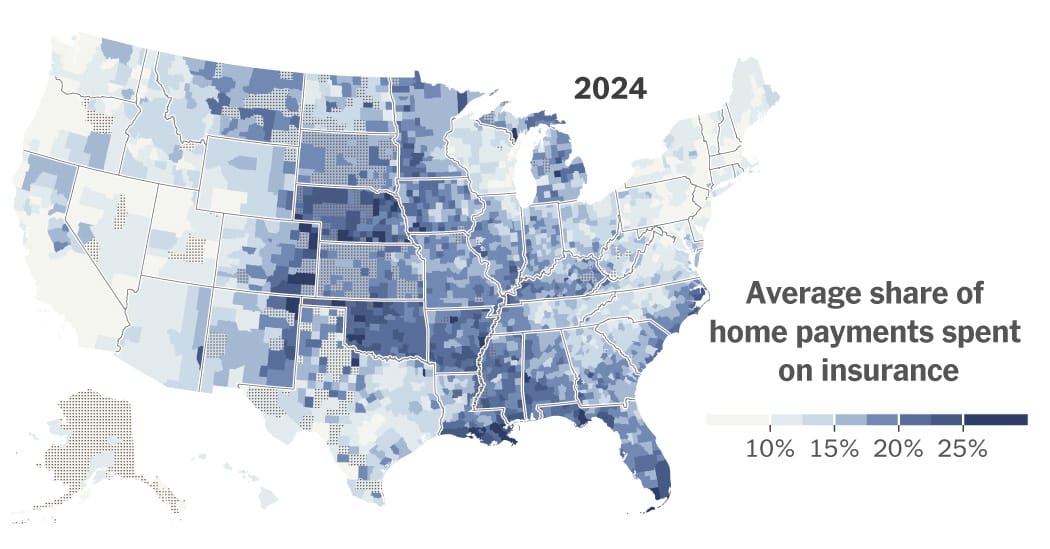
A surge in home insurance premiums is reshaping housing markets across the country, hitting disaster‑prone regions the hardest. From Louisiana to Colorado and California, deals are collapsing, buyers are backing out, and home values are dropping as insurance becomes a central affordability hurdle. New data shows climate‑driven risk repricing and soaring reinsurance costs are stripping tens of thousands of dollars from property values, forcing some homeowners to sell at a loss—or go uninsured altogether.

Is 2026 the Year the Housing Market Finally Roars Back? NAR Thinks So

After years of sluggish activity, the National Association of REALTORS predicts 2026 could mark the long‑awaited rebound for the housing market. With a projected 14% jump in home sales, steadier rates near 6%, and rising buyer activity, NAR economists say momentum is already building. Early signs—like a 31% surge in mortgage applications, continued job growth, and stabilizing prices—suggest a stronger, more confident market ahead, creating fresh opportunities for both seasoned professionals and aspiring agents preparing to enter the field.

Global Capital Is on the Move: What Colliers’ 2026 Outlook Means for the Future of Real Estate

A surge of global capital is reshaping real estate heading into 2026, with investors shifting toward hands‑on strategies, cross‑border diversification, and high‑growth asset classes like data centers. Colliers’ 2026 Global Investor Outlook highlights rising confidence, improving liquidity, and a major pivot toward direct investing and value‑add opportunities. From office market rebounds to Asia Pacific’s rapid fundraising growth, the report outlines trends every real estate professional should understand as the industry enters a more dynamic, opportunity‑rich cycle.

California Bets on a Single Staircase to Unlock New Housing

Culver City just became the first place in California to legalize six‑story apartment buildings with only one staircase — a simple change that could reshape mid‑rise housing statewide. By freeing up as much as 7% more usable floor space, architects say single‑stair designs allow bigger units, more windows, and the kind of elegant layouts common in New York and Europe. If the city’s six‑year experiment succeeds, it may spark a broader rethinking of U.S. building codes and open the door to more flexible, affordable multifamily development across California.

Stratford Launches 2025 Property Revaluation, Sending New Assessments to Homeowners

Stratford homeowners are receiving their 2025 Notices of Assessment Change, marking the town’s first property revaluation since 2019. Officials emphasize that rising assessments do not equal higher tax bills, as a new mill rate won’t be set until spring 2026. Residents can challenge or review their updated valuations through informal hearings hosted by Vision Government Solutions, with appointments available for one week after receiving a notice.

Florida Homeowners Buckle Under Nation-Leading Insurance Premiums as Crisis Deepens

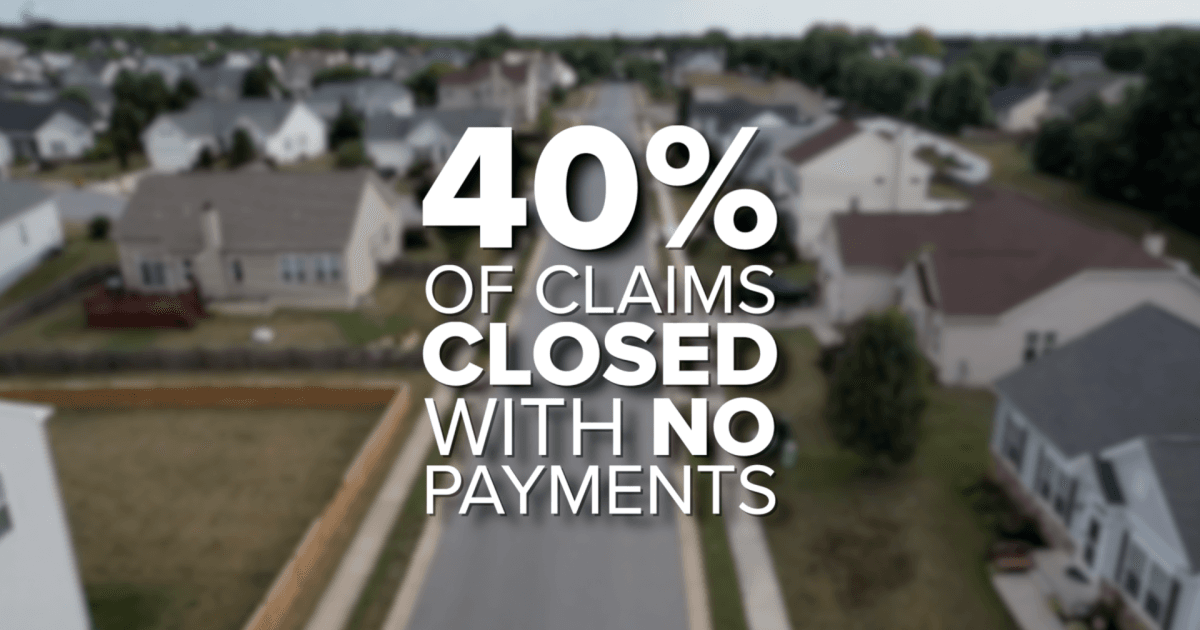
New reporting reveals Florida homeowners now face an average insurance premium of $5,838 per year — nearly triple the national average. With skyrocketing rates, denied claims, and mounting non-renewals, residents are being pushed to tough financial decisions while lawmakers scramble to implement reforms. From retirees skipping coverage to families battling insurers for fair payouts, Florida’s insurance crisis is reshaping both the housing market and the daily lives of homeowners statewide.