Decentralized Finance (DeFi) is emerging as a formidable disruptor to traditional banking systems, offering a new paradigm for handling financial transactions without the need for intermediaries like banks. This transformative wave in finance, detailed in a recent Forbes article, is reshaping how we perceive lending, borrowing, trading, and investing.


The launch of Ethereum in 2015 catalyzed the DeFi revolution, which gained significant momentum in 2020 as transaction volumes on DeFi platforms surged. The Philadelphia Fed Report highlights how the Covid-19 pandemic accelerated the adoption of digital financial services, further propelling DeFi’s reach.


Advantages of DeFi

Financial Inclusion

DeFi has the potential to democratize financial services, making them accessible to anyone with an internet connection and a digital wallet. This is particularly significant for unbanked and underbanked populations, who face barriers in traditional banking systems.


Speed and Cost-Effectiveness

By eliminating intermediaries, DeFi platforms can offer faster transactions at lower fees, especially for cross-border payments. This efficiency is driven by smart contracts that automate processes.


Transparency

Built on blockchain technology, DeFi offers unparalleled transparency. All transactions are recorded on public ledgers, ensuring a high degree of trust.


Innovation and Flexibility

Traditional banks often lag in innovation due to regulatory constraints. In contrast, the DeFi ecosystem is dynamic, fostering rapid development of new financial products and services.


Challenges of DeFi

Regulatory Uncertainty

The DeFi space remains largely unregulated, posing risks for users. While some countries are establishing regulations for digital assets, uncertainty persists.


Security Vulnerabilities

Unlike traditional banks that offer consumer protections, DeFi users must manage their own security. Platforms are susceptible to hacking, which can lead to financial losses.


Complexity

The volatility of the cryptocurrency market, coupled with the complexity of DeFi platforms, can be daunting for new users, potentially hindering widespread adoption.


Strategies for Seamless DeFi Implementation

  1. Invest in Education: Understand DeFi’s risks and rewards through workshops and training. Educate your team to build internal expertise.
  2. Launch a Pilot: Experiment with DeFi tools in a low-risk area of your business to learn and identify potential use cases.
  3. Prioritize Security and Compliance: Work with cybersecurity experts to ensure your DeFi initiatives adhere to emerging standards.
  4. Build Strategic Partnerships: Collaborate with partners who have expertise in specific DeFi domains to accelerate adoption and avoid pitfalls.

The rise of DeFi marks a fundamental shift in financial services, offering a more transparent, inclusive, and sustainable future. By embracing this transformation and managing its risks proactively, businesses can harness the full potential of DeFi.

More Articles

Getting licensed or staying ahead in your career can be a journey—but it doesn’t have to be overwhelming. Grab your favorite coffee or tea, take a moment to relax, and browse through our articles. Whether you’re just starting out or renewing your expertise, we’ve got tips, insights, and advice to keep you moving forward. Here’s to your success—one sip and one step at a time!

Artificial Intelligence in Diagnostics: A Revolution in Healthcare

The global market for artificial intelligence in diagnostics is poised for remarkable growth, with projections estimating it to reach USD 7.3 billion by 2032.

By |December 10, 2024|Categories: Article, Artificial Intelligence, Healthcare|Tags: , |0 Comments

Revolutionizing Medical Education with Extended Reality

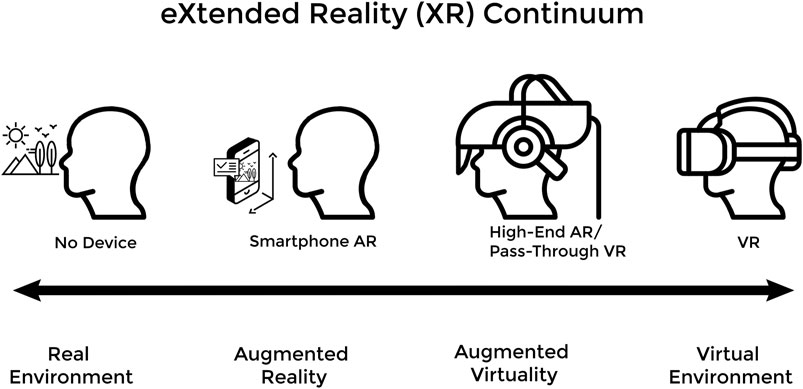
In the ever-evolving landscape of medical education, a new player has emerged, promising to revolutionize the way future doctors are trained. The integration of eXtended Reality (XR) technologies is reshaping the educational landscape by addressing the limitations of traditional methods.

Genetic Testing: A New Dawn in Healthcare

Genetic testing represents more than just a scientific advancement; it signifies a fundamental shift in how we approach health and wellness.

Sustainable Architecture: Blending Innovation with Ecological Responsibility

The journey toward sustainable architecture is ongoing, with each project serving as a beacon of what's achievable when creativity meets ecological awareness.

By |December 9, 2024|Categories: Architecture, Article, Sustainability|Tags: |0 Comments

AI in Clinical and Molecular Diagnostics: A Market on the Rise

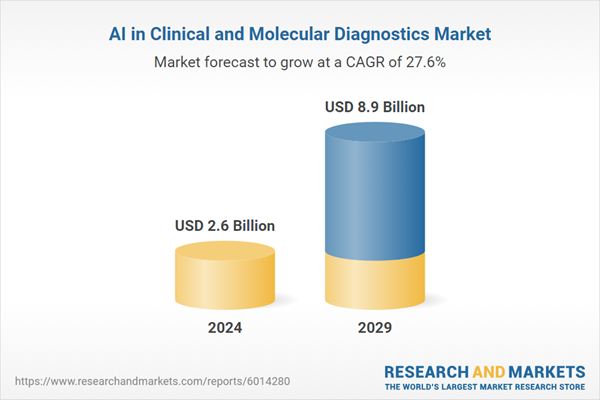
AI in Clinical and Molecular Diagnostics Market is set to experience remarkable growth, projected to surge from USD 2.6 billion in 2024 to USD 8.9 billion by 2029. This growth is driven by the integration of advanced AI technologies such as machine learning and deep learning into traditional diagnostic methodologies like imaging, genomics, and laboratory testing.

AI: A Revolution in Healthcare’s Future

AI is not a distant dream but a present reality, already integrated into everyday life through virtual assistants like Alexa and Siri. AI shows promise in enhancing medical accuracy, such as in predicting mesothelioma survival and improving colonoscopy accuracy, it is not intended to replace healthcare professionals.