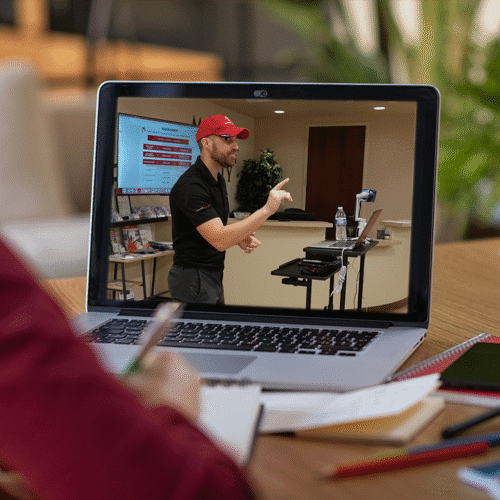
How Florida Realtors Quietly Built One of Real Estate’s Most Powerful Tech Ecosystems
Every industry has its hidden giants—the innovators who quietly shape how business gets done while the spotlight is aimed elsewhere. In real estate, one of those giants isn’t a Silicon Valley startup or a venture-backed disruptor. It’s Florida Realtors®, the largest state real estate association in the nation, which has spent the last 25 years building a tech ecosystem used by hundreds of thousands of professionals across North America.
How a Support Desk Became a Tech Powerhouse
It all began with a simple truth: real estate professionals needed better tech support. The early 2000s brought the rise of digital tools, but agents were often left on their own to navigate them. Florida Realtors stepped in and created Tech Helpline, a friendly, Orlando-based support service staffed by analysts with hundreds of years of collective tech experience. Today, agents across the U.S. and Canada rely on it for everything from printer issues to smart-device setup.
This wasn’t meant to be a tech empire. But over the next decade, support evolved into strategy—and strategy into product development.
Form Simplicity: Built for Agents, Not Investors
In 2011, Florida Realtors introduced Form Simplicity, one of the industry’s most respected digital transaction management solutions. Unlike tech platforms developed under pressure from investors or venture capital, Form Simplicity grew from the inside out—built by real estate professionals, shaped by direct member feedback and supported entirely in-house.
It’s a model that has stood the test of time. Stability, transparency and deep product knowledge have kept the system resilient in a fast-shifting tech landscape.
Built-In Beats Bolted-On: The Rise of Sabal Sign
This year, Florida Realtors unveiled Sabal Sign, an e-signature platform engineered to be secure, compliant and fully embedded within Form Simplicity’s Ultimate Edition. Its mobile-friendly interface and real estate-specific workflows make it a standout alternative to more expensive third-party options.
But the most defining feature? It’s built-in, not bolted on. Florida Realtors owns it, supports it and integrates it seamlessly—avoiding the reliability issues that often come with external add-ons.
A Tech Ecosystem Without Outside Stakeholders
While many proptech companies shift direction due to market turbulence or investor demands, Florida Realtors answers only to its members. No outside shareholders. No exit strategy. No pressure to prioritize profit over service. This independence has become a powerful strategic advantage—one that helps keep its tools stable, relevant and accessible.
Partnerships With Purpose
Recently, Florida Realtors launched an innovation fund to back emerging technology partners. These aren’t typical vendor relationships—they’re long-term collaborations focused on safety, brokerage valuation, transaction optimization and member-first innovation.
A Quiet Giant Steps Into Focus
Despite powering daily operations for countless agents and brokerages, Florida Realtors has never relied on hype or marketing spectacle. Its tech ecosystem matured organically over two decades, becoming one of the industry’s most dependable, widely used platforms—often without its users even realizing who built it.
In a real estate landscape dominated by buzzwords and billion-dollar branding, Florida Realtors has proven something refreshing: lasting leadership is built on vision, not volume.
Why This Matters for Real Estate Professionals
For new and seasoned agents alike—including those launching their careers through programs at Cameron Academy—understanding the tools shaping Florida real estate is essential. From contract creation to e-signatures to troubleshooting, these platforms form the digital backbone of today’s transaction workflow.
Students entering the industry today are stepping into a tech environment built for reliability, long-term support and Florida-specific practice—giving them a far smoother start than agents had decades ago.
Getting licensed or staying ahead in your career can be a journey—but it doesn’t have to be overwhelming. Grab your favorite coffee or tea, take a moment to relax, and browse through our articles. Whether you’re just starting out or renewing your expertise, we’ve got tips, insights, and advice to keep you moving forward. Here’s to your success—one sip and one step at a time!
A fast‑growing Israeli startup called Agora is reshaping how real estate investment firms operate by replacing outdated spreadsheets and scattered emails with a seamless digital platform. Built by former military intelligence technologists, Agora centralizes investor onboarding, reporting, financial tracking and communication—giving firms a modern backbone for managing complex portfolios. As proptech adoption accelerates worldwide, understanding tools like Agora is becoming essential knowledge for new and seasoned real estate professionals alike.
Canada remains one of the fastest and most accessible places to launch a real estate career, with no university degree required and most provinces offering licensing timelines under a year. This guide breaks down every major step—eligibility, education, exams, brokerage registration, and income expectations—while comparing requirements across Ontario, BC, Alberta, and Quebec. It also highlights what truly separates successful agents from those who leave the profession: consistent prospecting, strong preparation, and long-term discipline.
The 2026 housing market is starting off with colder-than-usual activity but warmer opportunities for buyers. Mortgage rates have dipped nearly a full percentage point from last year, inventory is slowly increasing, and competition is easing just enough to give buyers more leverage. While prices are still rising, the pace has cooled, and motivated sellers are becoming more flexible. Whether you're planning to buy or preparing clients as a real estate professional, the key message remains the same: the right time to purchase depends far more on your financial readiness than on headline noise.
More landlords than ever are turning to LLCs to protect their assets, streamline operations, and unlock tax advantages. An LLC can separate your personal finances from your rental business, provide liability protection, and offer valuable tax benefits. This article breaks down what LLCs do for landlords, how they affect taxes, the benefits they bring, and the best practices for setting one up in 2025—giving real estate professionals and investors a clear, practical guide for making the right decision.
Florida lawmakers have approved Sen. Joe Gruters proposal to push more commercial properties from Citizens Property Insurance into the private market. The bill tightens eligibility rules, expands the clearinghouse process, and could shift about 25 billion dollars in risk to private carriers. Supporters say the change reduces taxpayer exposure after major storms, while opponents worry about relying more on the less-regulated surplus lines market. The measure now heads to Gov. Ron DeSantis for final approval.
Wire fraud has evolved into a major danger for Florida real estate transactions, with criminals hijacking email accounts, impersonating buyers and sellers, and creating fake title company websites. First‑time buyers are especially vulnerable, and losses often occur right before closing when emotions are high. Experts warn that nearly all wire fraud can be prevented with proper verification, secure communication, and professional training—making education a critical defense for today’s real estate professionals.