How Florida Realtors Quietly Built One of Real Estate’s Most Powerful Tech Ecosystems
Every industry has its hidden giants—the innovators who quietly shape how business gets done while the spotlight is aimed elsewhere. In real estate, one of those giants isn’t a Silicon Valley startup or a venture-backed disruptor. It’s Florida Realtors®, the largest state real estate association in the nation, which has spent the last 25 years building a tech ecosystem used by hundreds of thousands of professionals across North America.
How a Support Desk Became a Tech Powerhouse
It all began with a simple truth: real estate professionals needed better tech support. The early 2000s brought the rise of digital tools, but agents were often left on their own to navigate them. Florida Realtors stepped in and created Tech Helpline, a friendly, Orlando-based support service staffed by analysts with hundreds of years of collective tech experience. Today, agents across the U.S. and Canada rely on it for everything from printer issues to smart-device setup.
This wasn’t meant to be a tech empire. But over the next decade, support evolved into strategy—and strategy into product development.
Form Simplicity: Built for Agents, Not Investors
In 2011, Florida Realtors introduced Form Simplicity, one of the industry’s most respected digital transaction management solutions. Unlike tech platforms developed under pressure from investors or venture capital, Form Simplicity grew from the inside out—built by real estate professionals, shaped by direct member feedback and supported entirely in-house.
It’s a model that has stood the test of time. Stability, transparency and deep product knowledge have kept the system resilient in a fast-shifting tech landscape.
Built-In Beats Bolted-On: The Rise of Sabal Sign
This year, Florida Realtors unveiled Sabal Sign, an e-signature platform engineered to be secure, compliant and fully embedded within Form Simplicity’s Ultimate Edition. Its mobile-friendly interface and real estate-specific workflows make it a standout alternative to more expensive third-party options.
But the most defining feature? It’s built-in, not bolted on. Florida Realtors owns it, supports it and integrates it seamlessly—avoiding the reliability issues that often come with external add-ons.
A Tech Ecosystem Without Outside Stakeholders
While many proptech companies shift direction due to market turbulence or investor demands, Florida Realtors answers only to its members. No outside shareholders. No exit strategy. No pressure to prioritize profit over service. This independence has become a powerful strategic advantage—one that helps keep its tools stable, relevant and accessible.
Partnerships With Purpose
Recently, Florida Realtors launched an innovation fund to back emerging technology partners. These aren’t typical vendor relationships—they’re long-term collaborations focused on safety, brokerage valuation, transaction optimization and member-first innovation.
A Quiet Giant Steps Into Focus
Despite powering daily operations for countless agents and brokerages, Florida Realtors has never relied on hype or marketing spectacle. Its tech ecosystem matured organically over two decades, becoming one of the industry’s most dependable, widely used platforms—often without its users even realizing who built it.
In a real estate landscape dominated by buzzwords and billion-dollar branding, Florida Realtors has proven something refreshing: lasting leadership is built on vision, not volume.
Why This Matters for Real Estate Professionals
For new and seasoned agents alike—including those launching their careers through programs at Cameron Academy—understanding the tools shaping Florida real estate is essential. From contract creation to e-signatures to troubleshooting, these platforms form the digital backbone of today’s transaction workflow.
Students entering the industry today are stepping into a tech environment built for reliability, long-term support and Florida-specific practice—giving them a far smoother start than agents had decades ago.
Getting licensed or staying ahead in your career can be a journey—but it doesn’t have to be overwhelming. Grab your favorite coffee or tea, take a moment to relax, and browse through our articles. Whether you’re just starting out or renewing your expertise, we’ve got tips, insights, and advice to keep you moving forward. Here’s to your success—one sip and one step at a time!
November marked another cooldown for commercial real estate, with total deal volume dropping 10% year over year and falling below even 2020’s levels. While overall activity is slowing, investors are concentrating their money on bigger, more resilient assets—driving a 51% surge in deals over $100 million and pushing average transaction sizes well above historical norms. Multifamily remains the strongest sector, office deals are becoming more strategically focused, and medical office and data centers continue to outperform as long‑term demand stays solid.
After years of stalled activity, commercial real estate may finally be nearing a rebound. Experts say that expected interest‑rate drops in 2026 could reignite investor confidence, unlock sidelined capital, and boost deal flow across multiple sectors. But the outlook isn’t uniformly sunny—multifamily faces oversupply, industrial is cooling after years of rapid growth, and weakening employment conditions may slow absorption. For professionals across real estate, mortgage, insurance, and finance, the shifting landscape presents both challenges and major opportunities for those who stay informed and properly licensed.
Consumer Reports delivered a major warning to Congress, highlighting how rapidly expanding fintech tools—especially AI‑driven platforms—are outpacing consumer protections. In testimony before the House Subcommittee on Digital Assets, Financial Technology and AI, CR called for stronger, clearer rules to prevent hidden fees, predatory practices, and confusion within digital financial products. For professionals in real estate, mortgages, insurance, and finance, these emerging regulations may soon influence lending decisions, underwriting, credit evaluations, and compliance expectations across the industry.
Amazon is preparing to cut up to 30,000 corporate jobs by mid‑2026 as it pivots aggressively toward automation and AI. Following 14,000 layoffs in late 2025, the company is eliminating layers of management to redirect billions into robotics, generative AI systems, and supercomputing partnerships. While warehouse hiring continues for seasonal demand, Amazon’s internal shift reveals a broader nationwide trend: white‑collar roles across tech, finance, logistics, and more are being reshaped by automation at unprecedented speed.
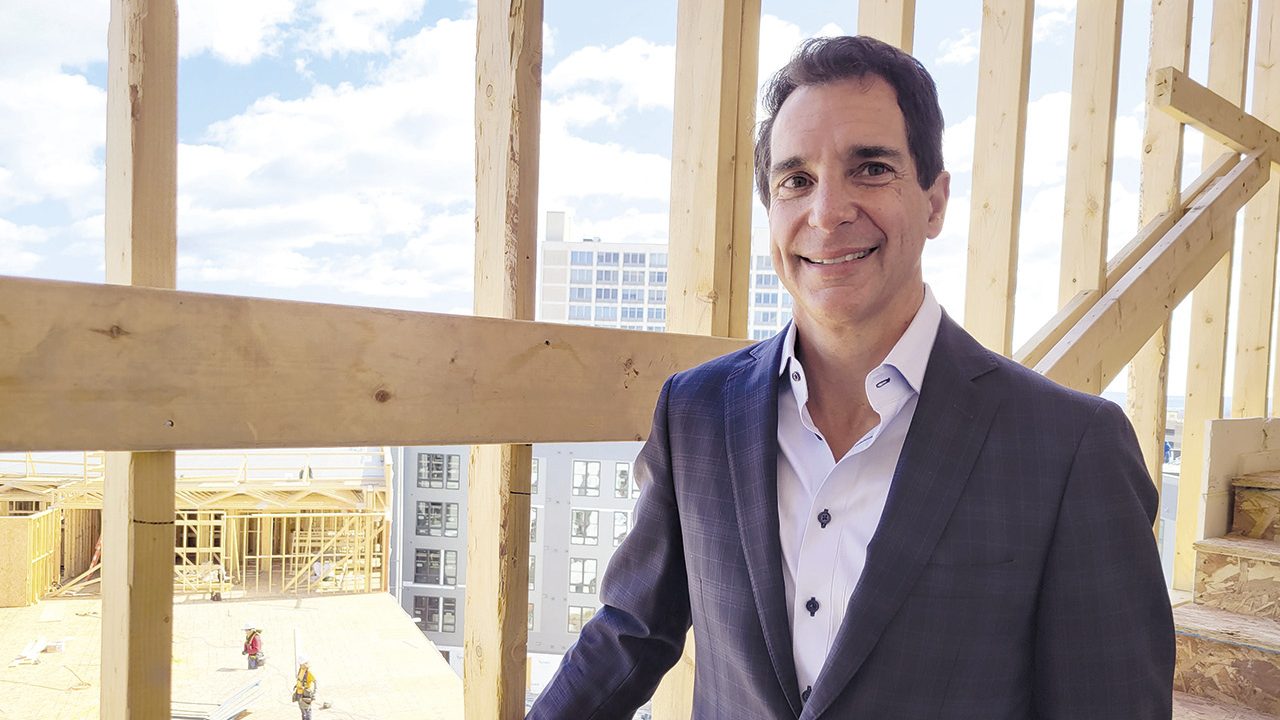
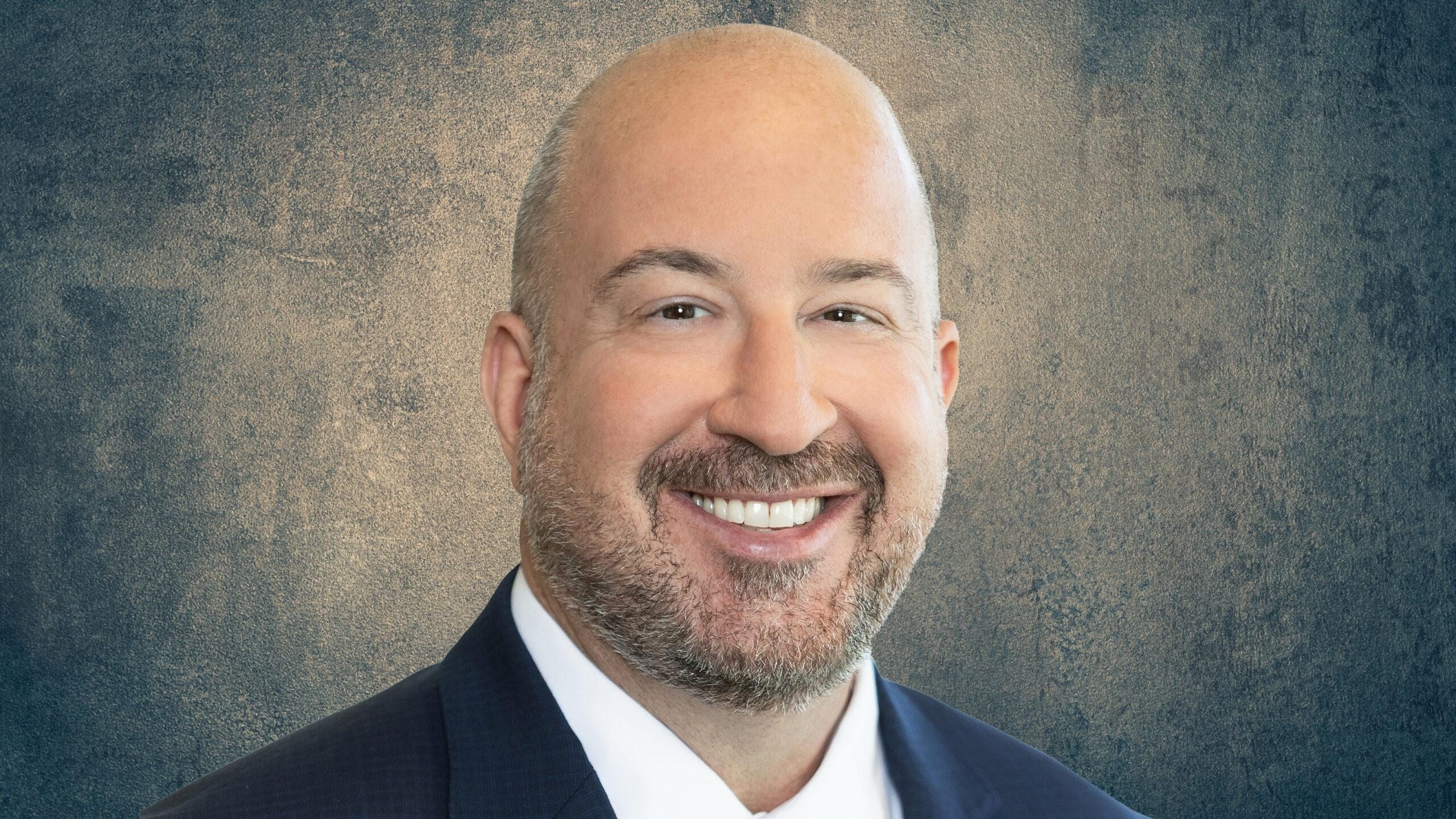
Florida’s real estate market enters 2026 with new leadership at the helm as Chuck Bonfiglio, broker-owner of AAA Realty Group, is officially installed as President of Florida Realtors. With more than 230,000 members behind the association, Bonfiglio highlights affordability, insurance reform, and taxes as key priorities while expressing optimism about easing mortgage rates, stabilizing prices, and growing inventory. Backed by years of statewide and national Realtor leadership, he aims to guide professionals through another transformative year alongside a newly appointed 2026 leadership team.
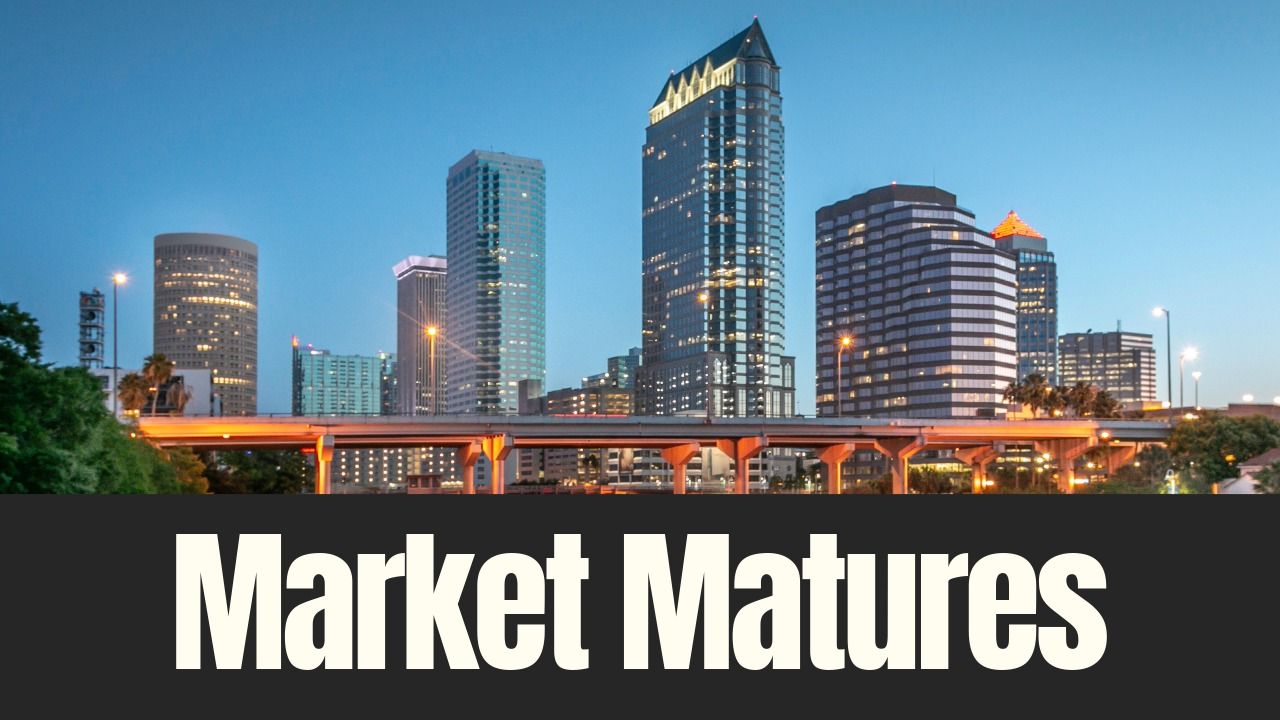
Tampa isn’t cooling off—it’s getting smarter. After years of rapid expansion, the city’s commercial real estate market has shifted into a more disciplined, selective phase. Population growth remains strong, office leasing is outperforming national trends, industrial activity is normalizing sustainably, and retail is seeing renewed investor confidence. With capital becoming more cautious and health care real estate emerging as a major growth sector, Tampa is entering a new era focused on strategy, execution, and long‑term fundamentals.