In a rapidly evolving post-pandemic landscape, the commercial real estate market is experiencing a seismic shift. The COVID-19 pandemic not only redefined workplace norms but also left an indelible mark on office space demand across the United States. As reported by the University of Chicago Booth School of Business, research conducted by Arpit Gupta, Vrinda Mittal, and Stijn Van Nieuwerburgh highlights the enduring impact of hybrid work models on commercial real estate.

The Remote Work Revolution
As the pandemic unfolded, office occupancy in major US markets plummeted by a staggering 90% from late February to March 2020. Although there was a partial recovery by the end of 2023, occupancy rates remain at approximately half of their pre-pandemic levels. The ongoing uncertainty surrounding remote work continues to dampen office occupancy, lease revenue, and renewal rates in the commercial real estate sector.

Hybrid Work: A Glimmer of Hope
Despite these challenges, the hybrid work model offers a glimmer of hope. The researchers found that companies expecting employees in the office only one day per week saw a 41% drop in office space demand from 2019 to 2023. In contrast, demand fell by just 9% for those with staff onsite two to three days per week and even grew by 1% for companies with a four to five-day office presence.

Economic Implications
The economic ramifications of declining office values are significant. New York, for instance, experienced the largest dollar decline in office space value, with a $90 billion drop from December 2019 to December 2023. Looking ahead, projections suggest that New York’s office values could remain 47% to 67% below 2019 levels, depending on future workplace norms.

Adapting to Change
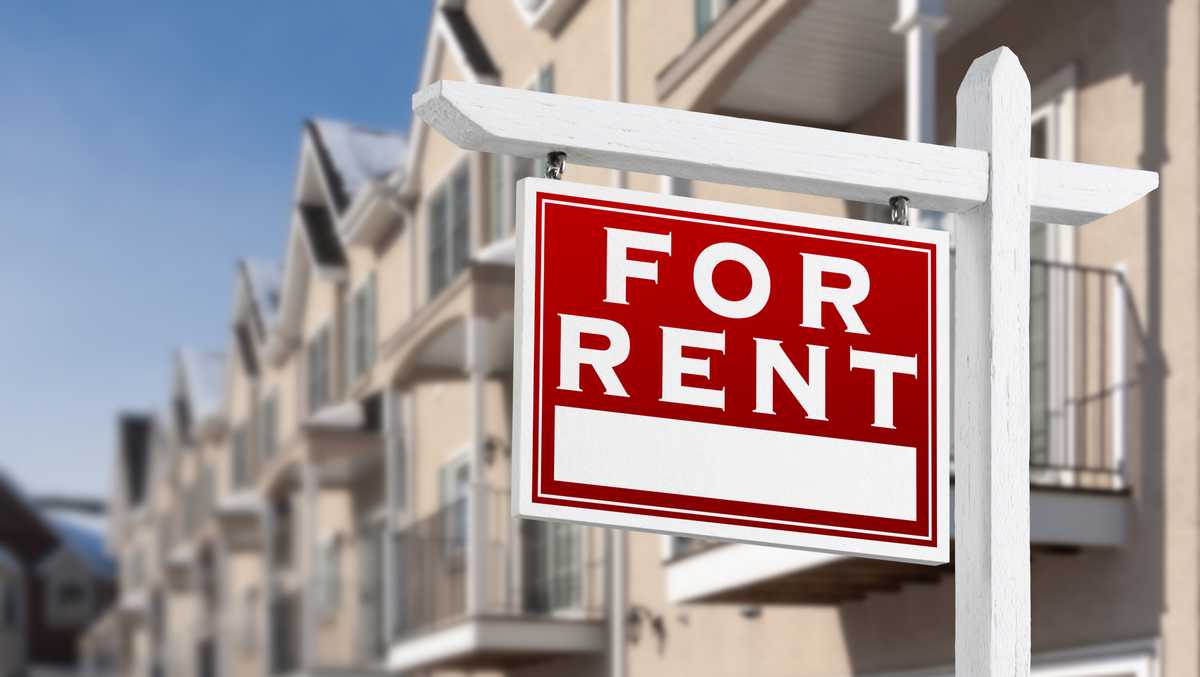
The research underscores the importance of adaptation. A “flight to quality” has seen newer office buildings with more amenities fare better, as companies strive to enhance office quality to entice workers back. Moreover, the conversion of vacant office spaces into multifamily residential units is proposed as a viable solution to address vacancies. Programs like New York’s Office Conversion Accelerator are already working toward this goal.

Fiscal Challenges for Urban Areas
The decline in office values has far-reaching implications for urban areas, where taxes from commercial real estate contribute about 10% of overall tax revenue. As tax revenue declines, cities may face tough choices: raising other tax rates or cutting government spending on services, potentially making them less attractive places to live.

This insightful analysis from the University of Chicago Booth School of Business serves as a clarion call for stakeholders in the commercial real estate sector to navigate these changes strategically and creatively.

More Articles

Getting licensed or staying ahead in your career can be a journey—but it doesn’t have to be overwhelming. Grab your favorite coffee or tea, take a moment to relax, and browse through our articles. Whether you’re just starting out or renewing your expertise, we’ve got tips, insights, and advice to keep you moving forward. Here’s to your success—one sip and one step at a time!

Average Life Insurance Rates for March 2026: Key Insights for Professionals

The average life insurance premium in 2026 sits at about 26 dollars per month for a healthy 40-year-old seeking a 20-year, 500,000 dollar term policy, according to recent industry data. Rates continue to be influenced by factors like age, health, and risk class, while certain personal details—such as marital status or number of beneficiaries—have no impact on pricing. With term, whole life, and no-exam options showing wide cost differences, professionals in real estate, insurance, mortgage, and finance can benefit from understanding how underwriting works. This knowledge not only helps with personal financial planning but also supports advising clients effectively in these interconnected industries.

AI for Real Estate Agents: How to Use Bots to Save Time and Grow Your Business

AI is becoming a powerful partner for real estate agents, helping automate repetitive tasks like lead responses, follow ups, marketing content, and paperwork so you can focus on clients and closing deals. From 24/7 chat assistants to AI enhanced visuals and predictive analytics, agents using these tools are gaining a competitive edge without needing technical skills.

Florida Cities With the Fastest Growing Home Prices: What the 2026 Market Is Revealing

Florida’s housing market continues to outpace national growth, with several cities experiencing sharp jumps in home values driven by high demand and limited inventory. New data from Zillow highlights where price acceleration is strongest—from luxury enclaves like Golden Beach and Lake Buena Vista to more affordable markets such as Old Town. For real estate professionals, these insights spotlight emerging opportunities, shifting buyer behavior, and areas of rising investment interest across the state.

Baltimore Cracks Down on Unlicensed Rentals in Major Compliance Overhaul

Baltimore is moving to close key loopholes in its rental licensing system after thousands of unlicensed and unsafe units came to light. A new city proposal would strengthen enforcement, increase audits, and protect tenants from negligent landlords. With nearly half of rentals still unlicensed, the reform highlights why compliance and ethical property management remain essential across the real estate industry.

Florida House Unanimously Passes HB 767 to Increase Insurance Transparency

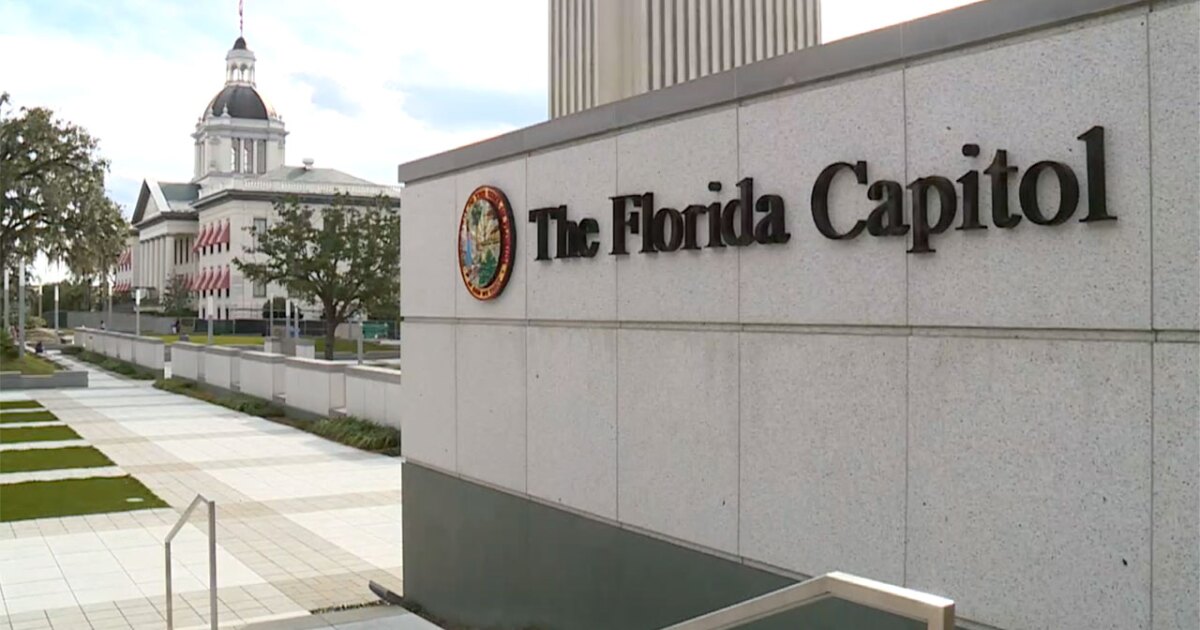
Florida lawmakers have taken a major step toward helping homeowners understand rising insurance costs. The Florida House voted 114-0 to approve HB 767, a bill that would require insurers to publicly share more of the data behind their rate increases. While the bill doesn’t limit premiums, it aims to give consumers, real estate professionals, and analysts clearer insight into how insurance companies set their prices as it now heads to the Senate for consideration.

American Journalist Leaves Her Dream Job for Spain and Discovers a New Kind of Success

A rising public‑radio journalist walked away from the career she worked years to build after a spontaneous trip to Spain made her question what she truly wanted from life. Trading stability for a teaching visa and a slower pace in Seville, she faced financial uncertainty, culture shocks, and doubts about her future—yet also gained safety, freedom, and a renewed sense of self. Her journey is a reminder that major career shifts, whether abroad or at home, can open the door to unexpected possibilities.