How ERAS Changes Could Reshape the Future of Medical Residency Applications
The world of medical education is shifting once again—and for the thousands of future physicians preparing to enter the Match in the coming years, the changes could have a real impact on how they present themselves as residency candidates. According to a recent report from the AMA News Wire, the Electronic Residency Application Service (ERAS) platform will introduce a major update beginning in the 2027 application cycle: the long‑standing “publications” field will be replaced with a broader, research‑centered category called scholarly works.
Tap to View Source
Content sourced from AMA News Wire. Explore the full article at:
Traditionally, ERAS allowed applicants to highlight publications among eight core experience types. These entries ranged from peer‑reviewed journal articles to advocacy letters, op‑eds, and student‑driven policy proposals. But residency directors have expressed a persistent concern: publication lists can be lengthy, inconsistent, and often fail to reflect an applicant’s true depth of knowledge or contribution.
The new “scholarly works” category intends to solve this issue by tightening the definition. Only work submitted to peer-reviewed entities—journal manuscripts, abstracts, book chapters, oral presentations, posters—will qualify. Applicants may highlight up to three meaningful projects and designate first‑authorship where applicable.
Growing Emphasis on Research Output
Recent data underscores how central research has become in competitive residency applications. In 2024, matched U.S. MD seniors reported an average of 10 total scholarly outputs. DO applicants reported roughly half of that number. In high-stakes specialties like neurological surgery, the average soared to more than 37.
This structural shift could push programs to place even greater emphasis on peer-reviewed contributions as indicators of academic potential and commitment.
Concerns Over Lost Visibility
Not all students are excited about the narrowed definition. Many worry that critical contributions—advocacy work, policy involvement, and community health initiatives—may lose visibility. AMA member and student leader Sneha Kapil stressed that these works remain vital for shaping the future of medicine and physician leadership.
While these experiences can still appear elsewhere in the application, moving them out of the scholarly section raises concerns that residency directors may overlook them.
A Call for a Holistic Approach
Medical education leaders emphasize that research excellence does not necessarily predict outstanding clinical performance. Attributes such as empathy, teamwork, leadership, and communication rarely appear in publications, yet they define what makes a great physician. Dr. John Andrews of the AMA warns that over‑prioritizing research could drive students toward activities pursued solely because they “count.”
Residency programs are encouraged to maintain a balanced approach, especially as major exams such as USMLE Step 1 and COMLEX Level 1 have transitioned to pass/fail scoring.
Where This Leaves Future Applicants
Whether you’re a medical student or a professional in another field, the shift toward research-focused evaluation mirrors broader trends across licensing and education: quality now outweighs quantity. Thoughtful, meaningful documentation is becoming the new standard.
At Cameron Academy, we see similar patterns in other professional licensing fields—real estate, insurance, finance, and beyond. While requirements vary, one truth is universal: meaningful learning produces confident, capable professionals.
As the 2027 residency cycle approaches, applicants should focus not just on producing research, but on understanding it, owning it, and presenting it with clarity and purpose.
More Articles
Getting licensed or staying ahead in your career can be a journey—but it doesn’t have to be overwhelming. Grab your favorite coffee or tea, take a moment to relax, and browse through our articles. Whether you’re just starting out or renewing your expertise, we’ve got tips, insights, and advice to keep you moving forward. Here’s to your success—one sip and one step at a time!
Remote work is dramatically reshaping real estate trends in India. By understanding and adapting to these shifts, investors can make savvy decisions, aligning their strategies with this evolving landscape and capitalizing on the burgeoning opportunities that remote working presents.
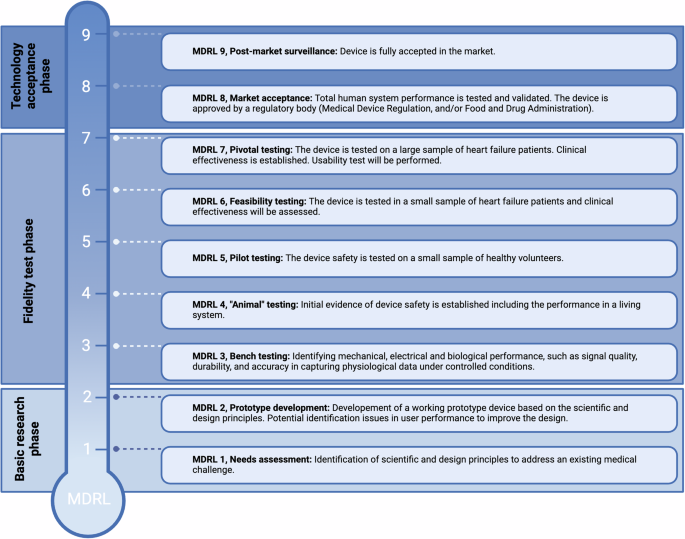
Wearable technologies are emerging as a beacon of hope for heart failure (HF) management, promising a future where patient care is not just reactive but proactive. As reported in a recent Nature article, these devices are poised to transform how we monitor and manage HF patients.
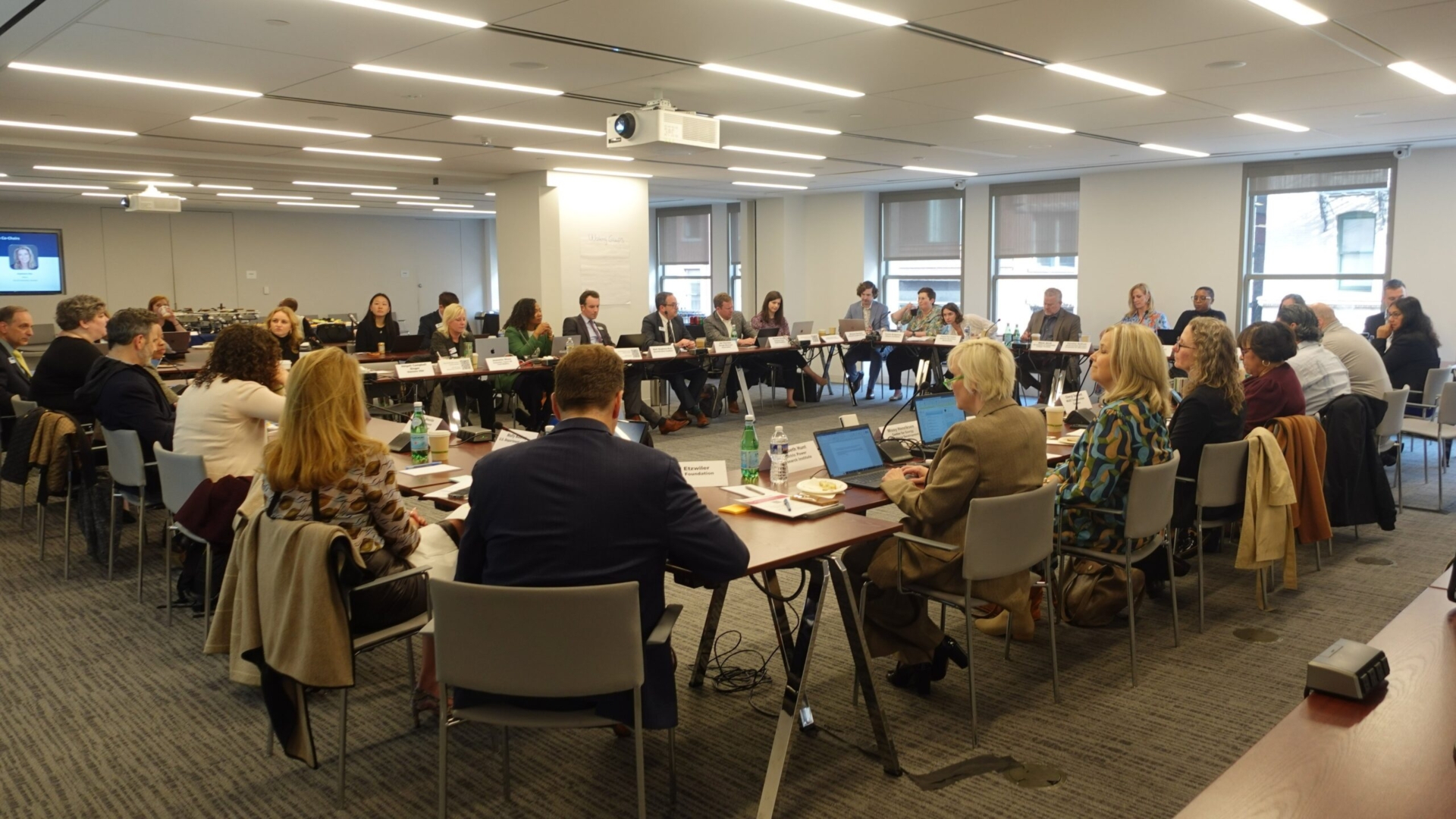
In a landmark event in April 2024, the State and Local Electric Vehicle Workforce Collaborative convened in Washington, D.C., highlighting the transformative potential of federal investments in electric vehicle infrastructure, particularly in underserved communities.
Risk managers are increasingly using parametric insurance to strengthen traditional programs and to better match capital to risk from natural disasters.
This "green revolution" is marked by the integration of green data fields in the Multiple Listing Service (MLS), which now features prominently in 40% of listings. This shift enhances awareness among potential buyers about eco-friendly home features, promoting healthier living environments.
In the ever-evolving landscape of healthcare, Artificial Intelligence (AI) is emerging as more than just a tool—it's a transformative force reshaping the industry. Visionaries like Vinod Khosla have long predicted AI's potential to revolutionize healthcare, and that potential is now being realized.