How ERAS Changes Could Reshape the Future of Medical Residency Applications
The world of medical education is shifting once again—and for the thousands of future physicians preparing to enter the Match in the coming years, the changes could have a real impact on how they present themselves as residency candidates. According to a recent report from the AMA News Wire, the Electronic Residency Application Service (ERAS) platform will introduce a major update beginning in the 2027 application cycle: the long‑standing “publications” field will be replaced with a broader, research‑centered category called scholarly works.
Tap to View Source
Content sourced from AMA News Wire. Explore the full article at:
Traditionally, ERAS allowed applicants to highlight publications among eight core experience types. These entries ranged from peer‑reviewed journal articles to advocacy letters, op‑eds, and student‑driven policy proposals. But residency directors have expressed a persistent concern: publication lists can be lengthy, inconsistent, and often fail to reflect an applicant’s true depth of knowledge or contribution.
The new “scholarly works” category intends to solve this issue by tightening the definition. Only work submitted to peer-reviewed entities—journal manuscripts, abstracts, book chapters, oral presentations, posters—will qualify. Applicants may highlight up to three meaningful projects and designate first‑authorship where applicable.
Growing Emphasis on Research Output
Recent data underscores how central research has become in competitive residency applications. In 2024, matched U.S. MD seniors reported an average of 10 total scholarly outputs. DO applicants reported roughly half of that number. In high-stakes specialties like neurological surgery, the average soared to more than 37.
This structural shift could push programs to place even greater emphasis on peer-reviewed contributions as indicators of academic potential and commitment.
Concerns Over Lost Visibility
Not all students are excited about the narrowed definition. Many worry that critical contributions—advocacy work, policy involvement, and community health initiatives—may lose visibility. AMA member and student leader Sneha Kapil stressed that these works remain vital for shaping the future of medicine and physician leadership.
While these experiences can still appear elsewhere in the application, moving them out of the scholarly section raises concerns that residency directors may overlook them.
A Call for a Holistic Approach
Medical education leaders emphasize that research excellence does not necessarily predict outstanding clinical performance. Attributes such as empathy, teamwork, leadership, and communication rarely appear in publications, yet they define what makes a great physician. Dr. John Andrews of the AMA warns that over‑prioritizing research could drive students toward activities pursued solely because they “count.”
Residency programs are encouraged to maintain a balanced approach, especially as major exams such as USMLE Step 1 and COMLEX Level 1 have transitioned to pass/fail scoring.
Where This Leaves Future Applicants
Whether you’re a medical student or a professional in another field, the shift toward research-focused evaluation mirrors broader trends across licensing and education: quality now outweighs quantity. Thoughtful, meaningful documentation is becoming the new standard.
At Cameron Academy, we see similar patterns in other professional licensing fields—real estate, insurance, finance, and beyond. While requirements vary, one truth is universal: meaningful learning produces confident, capable professionals.
As the 2027 residency cycle approaches, applicants should focus not just on producing research, but on understanding it, owning it, and presenting it with clarity and purpose.
More Articles
Getting licensed or staying ahead in your career can be a journey—but it doesn’t have to be overwhelming. Grab your favorite coffee or tea, take a moment to relax, and browse through our articles. Whether you’re just starting out or renewing your expertise, we’ve got tips, insights, and advice to keep you moving forward. Here’s to your success—one sip and one step at a time!
A federal judge has denied class‑certification in the high‑stakes Batton commission lawsuit, delivering a temporary win for NAR and major brokerages while leaving the door open for plaintiffs to try again. With as much as $3.6 billion in potential damages on the line and nearly 80% of the proposed class now disqualified due to conflicts with earlier settlements, the case stands at a pivotal moment. Real estate professionals nationwide — especially in Florida — should watch closely, as the ruling could shape the future of buyer‑agent compensation.
Florida homeowners are paying nearly double the national average for insurance, with premiums now reaching $5,838 a year and denied claims topping 40 percent. Residents report tripled rates, underpaid claims, and mounting financial strain, pushing lawmakers in Tallahassee to propose caps on rate hikes, tax breaks for storm‑proof upgrades, and tighter oversight of insurers. These developments are reshaping real estate and insurance conversations across the state as professionals brace for major industry shifts.
Berkshire County closed Q3 2025 with strong momentum as sales, dollar volume, and buyer competition all climbed year‑over‑year. Inventory showed slight improvement but remains far below demand, keeping the market tilted toward sellers. Single‑family homes and condos led the surge, while multifamily, land, and commercial sectors showed mixed performance. The region continues to stand out as one of New England’s most resilient real estate markets heading into 2026.
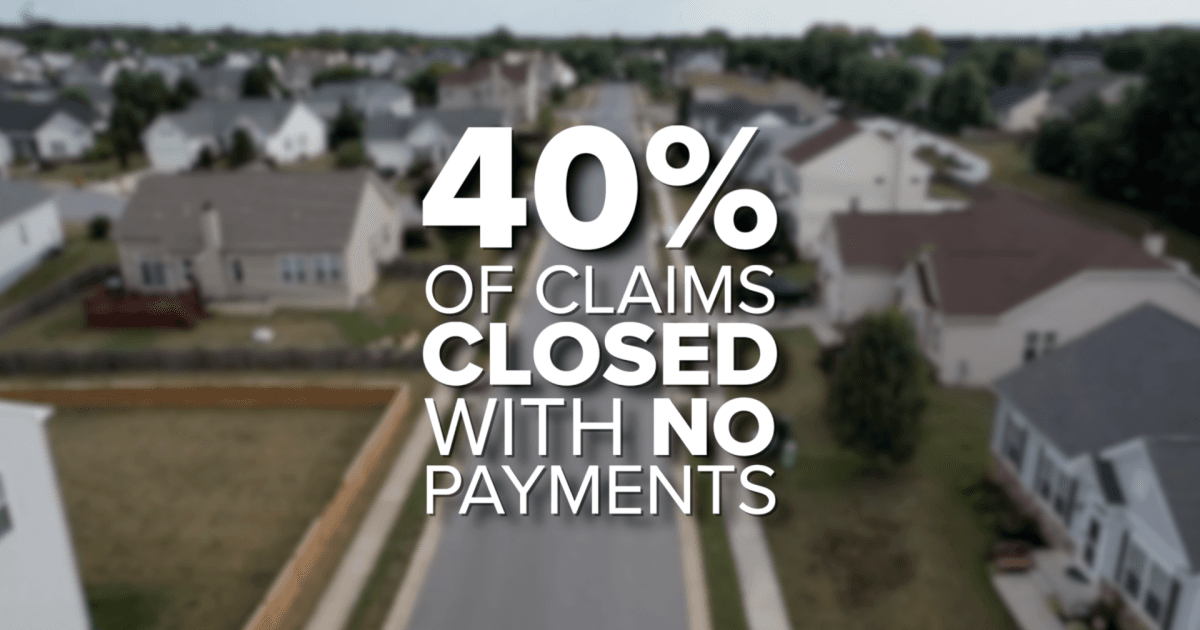
Florida homeowners now face the highest insurance burdens in the nation, with average premiums topping $5,800 per year—roughly $3,000 above the national average. As rates triple for some residents, more Floridians are skipping coverage altogether, while denied claims and slow payouts add to the frustration. With over 40 percent of claims closing with no payment and lawmakers battling over reform in Tallahassee, the crisis is reshaping budgets, homebuying decisions, and the real estate industry statewide.
Global capital is surging back into real estate—and this time, investors want more control. Colliers’ 2026 Global Investor Outlook reveals a major shift toward direct investments, joint ventures, and hands‑on strategies as money moves across North America, Europe, and the booming Asia‑Pacific markets. Data centers are now the top‑funded asset class, offices are staging a comeback, and adaptive reuse is reshaping cities worldwide. For real estate and finance professionals, the message is clear: opportunity is accelerating, and those with the right education and licensing will be at the center of the action.
The Fed’s recent rate cuts should have offered relief to commercial real estate—but long-term borrowing costs haven’t budged. While short‑term rates are falling, stubborn long‑term yields, broken deal math, and a trillion‑dollar refinancing wave are keeping the market frozen. For investors and professionals across Florida and the nation, understanding this disconnect is key to navigating the opportunities and risks emerging in today’s shifting CRE landscape.